Login / Register


News & Reviews
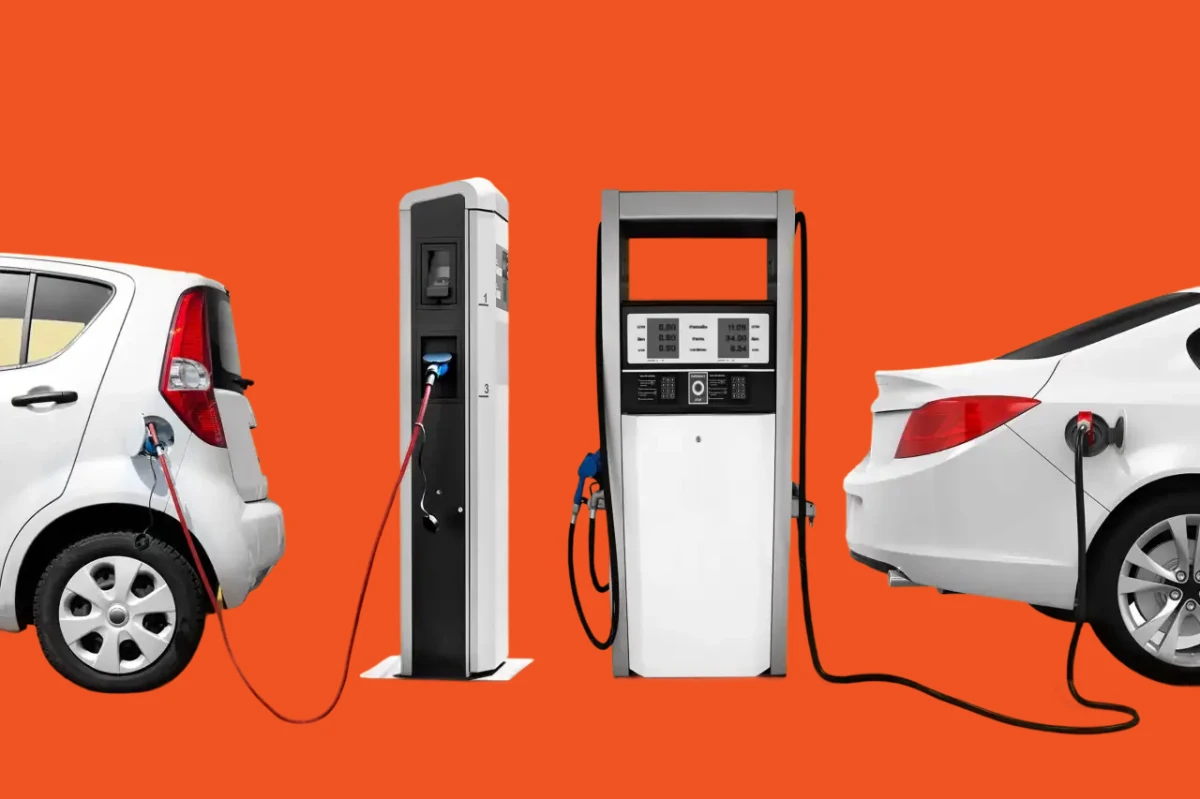
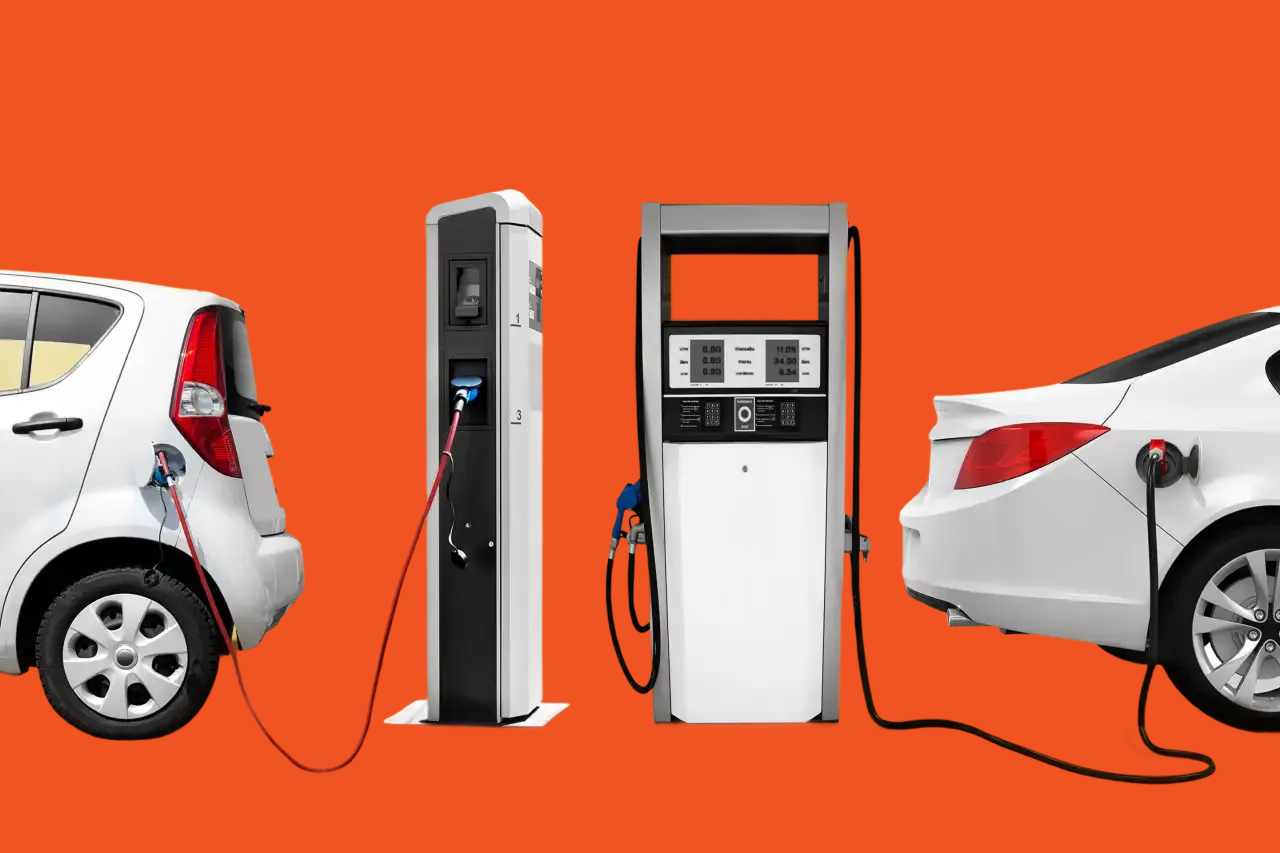
Are Electric Cars Really Cheaper in the Long Run?
14 Feb 2026
Electric vehicles (EVs) are often marketed as money-savers, but the real answer depends on how you calculate costs. To determine whether an electric car is truly cheaper in the long run, you must compare total ownership costs — not just the purchase price.
This guide breaks it down step by step.
Step 1: Compare the Purchase Price
Electric vehicles such as the Tesla Model 3 or Nissan Leaf often cost more upfront than similar gasoline vehicles like the Toyota Corolla.
However, government incentives, tax credits, and regional subsidies can significantly reduce the effective purchase price. In some markets, the gap becomes minimal.
Key calculation:
- Initial vehicle price
- Minus incentives
- Plus financing costs
Do not evaluate long-term cost without adjusting for incentives.
Step 2: Calculate Fuel vs. Electricity Costs
Electricity is typically cheaper than gasoline per kilometer or mile driven.
To compare:
- Determine average annual mileage.
- Multiply by fuel cost per mile for a gasoline car.
- Multiply by electricity cost per mile for an EV.
In most regions, EV charging costs 40–70% less than fueling a combustion vehicle. Over 5–10 years, this creates substantial savings.
Step 3: Analyze Maintenance Expenses
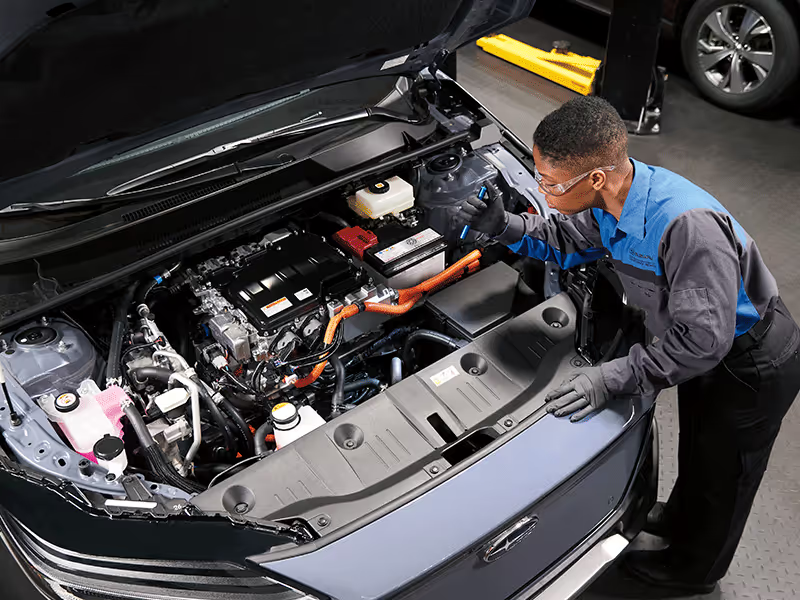
Electric cars have:
- No engine oil
- No spark plugs
- No exhaust system
- Fewer moving parts
This means fewer routine services compared to internal combustion vehicles.
Brake wear is also reduced due to regenerative braking systems used in EVs like the Hyundai Kona Electric.
Over time, maintenance savings are one of the biggest financial advantages of EV ownership.
Step 4: Consider Battery Replacement Risk
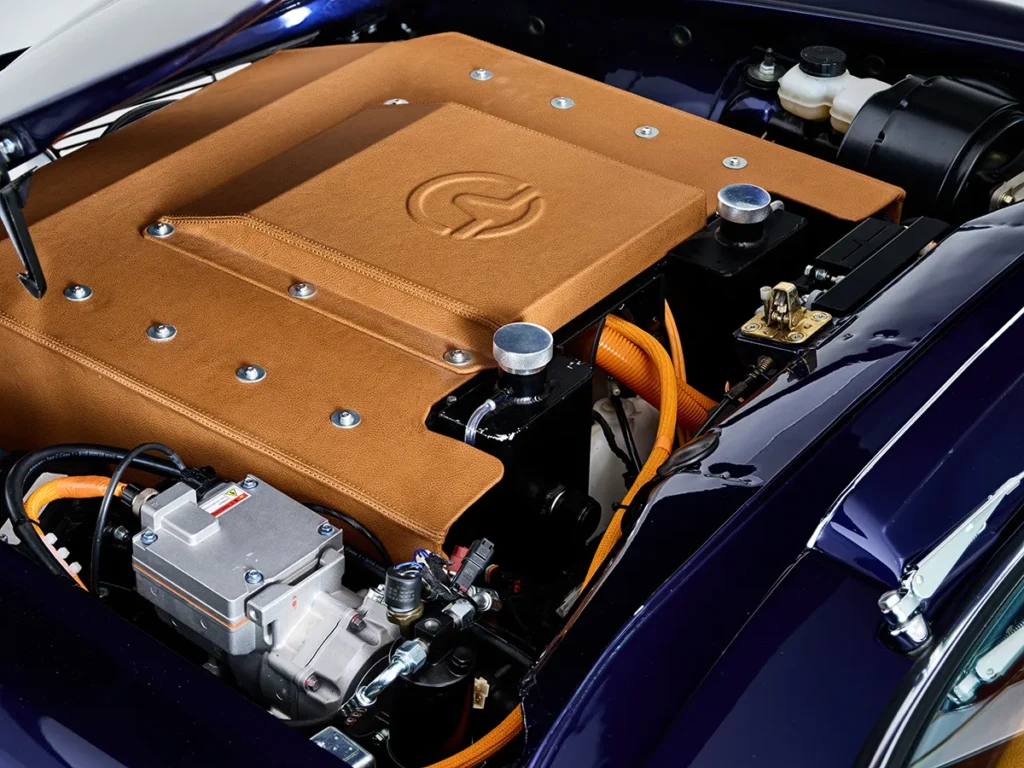
Battery replacement is the most expensive potential cost.
However:
- Most EV batteries last 8–15 years.
- Manufacturers offer long battery warranties (often 8 years or more).
- Real-world data shows degradation is slower than early projections.
Unless ownership extends beyond warranty coverage, battery replacement is rarely a short-term cost factor.
Step 5: Account for Depreciation
Depreciation varies by model and market.
Earlier EVs depreciated quickly due to rapid battery improvements. Newer models with better range and technology hold value more effectively.
Some EVs maintain strong resale value, especially high-demand brands.
Step 6: Evaluate Charging Setup Costs
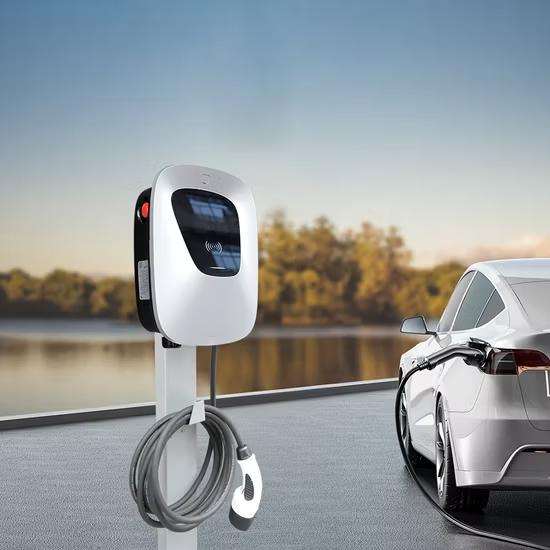
Home charging installation may require:
- Electrical panel upgrades
- Dedicated wall charger
- Installation labor
This can add initial costs, but charging at home significantly reduces long-term fueling expenses.
Public fast charging, while convenient, is typically more expensive than home charging.
Final Cost Comparison Framework
To determine if an electric car is cheaper for you, calculate:
Total Cost of Ownership (TCO) =
Purchase Price – Incentives + Fuel/Electricity Costs + Maintenance + Insurance + Charging Setup – Resale Value
In most high-mileage, urban, or high-fuel-cost scenarios, EVs become cheaper within 4–7 years.
For low-mileage drivers in regions with cheap fuel and no incentives, gasoline vehicles may remain financially competitive.
Conclusion
Electric cars are not automatically cheaper — but in many realistic ownership scenarios, they become more cost-effective over time due to lower fuel and maintenance expenses. The key is calculating total ownership cost, not focusing on sticker price alone.
Recent Articles
Most Viewed
-thumb_webp.webp)
-thumb_webp.webp)
Advice


Related Articles
-thumb_webp.webp)

-thumb_webp.webp)
-thumb_webp.webp)
-thumb_webp.webp)