Login / Register


News & Reviews
-thumb_webp.webp)
Doha Rain Driving: A Safety Guide
25 Mar 2026
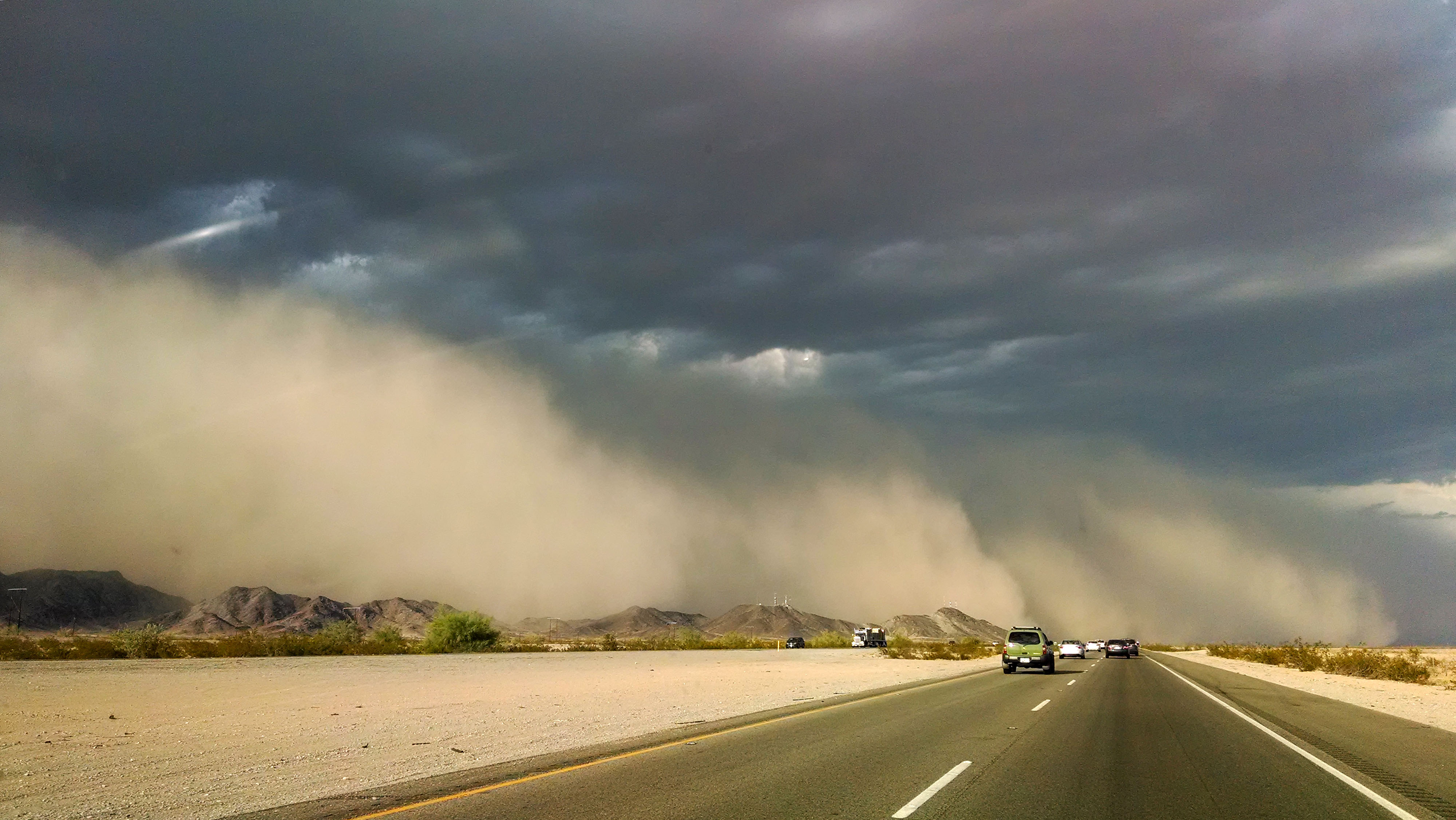
Doha’s roads handle heat well — they don’t always handle water in the same polite way. Even a moderate shower quickly changes the driving picture: standing water, heavy spray that slashes visibility, and the places that flood first (underpasses, low-lying stretches and wadis). For drivers who care about mechanical reliability and real-world technique, the immediate priorities are simple: reduce risk, preserve control, and avoid surprises. The Ministry of Interior’s repeated public guidance during rain events underscores the same message: slow down, leave space and avoid risky manoeuvres.
“When roads are wet the most reliable safety measure is conservative driving: lower speed, larger gaps, and every control input deliberate.”
Prep before you leave — the practical checks (do this in 10 minutes)
- Tyres: Confirm tread depth and correct pressure. Adequate tread channels water and greatly reduces aquaplaning risk. Manufacturers and tyre specialists strongly recommend regular checks as the first line of defence on wet roads.
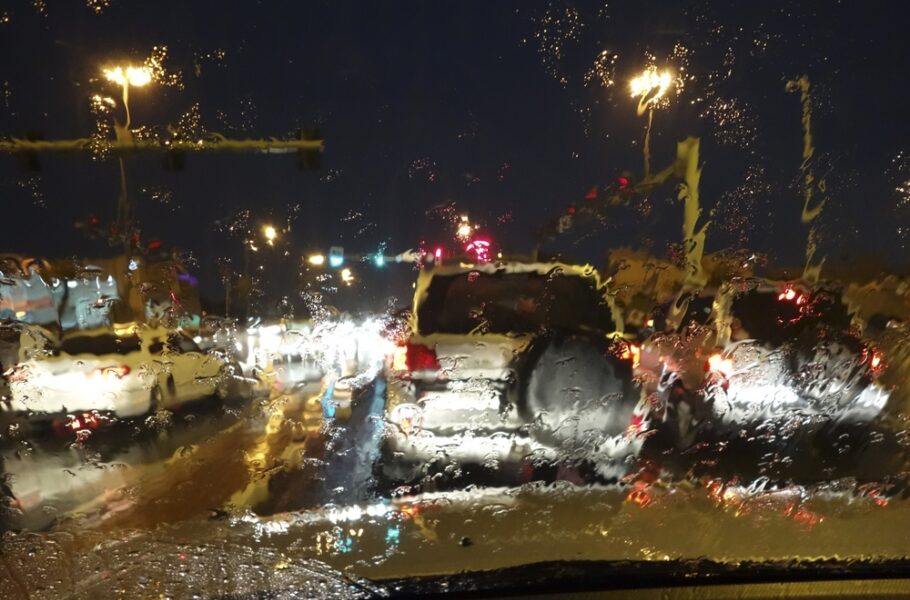
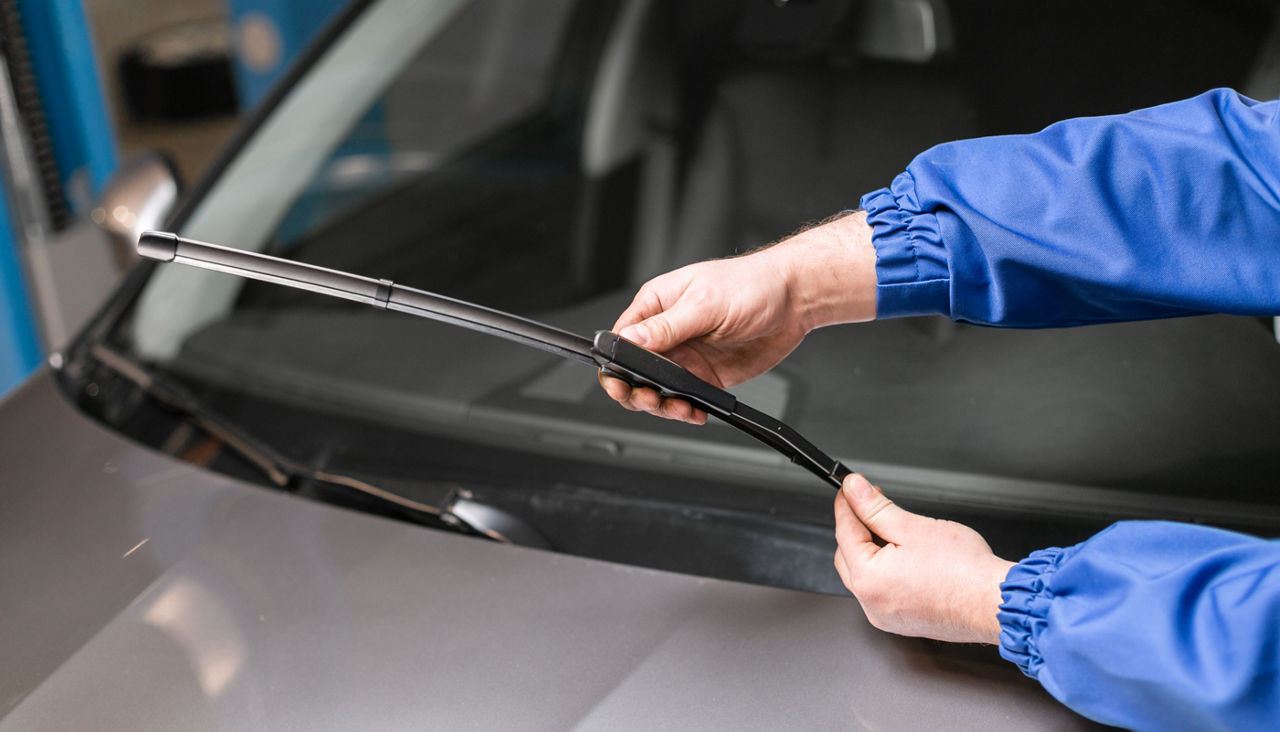
- Wipers & demist: Replace streaking wiper blades and verify your heater/aircon demist function. Visibility losses are the leading, avoidable risk in rain.
- Lights: Low beams on at first sign of rain or spray; check brake lights and indicators. Hazard lights only when stopped or immobilised. (Official guidance from the MoI reiterates these basics.)
- Brakes: If you drive through deep puddles, lightly test brakes once you’re clear to evaporate surface moisture and restore feel. Authorities advise drivers to pay attention to braking performance after water exposure.
How to drive in wet conditions — technique that works
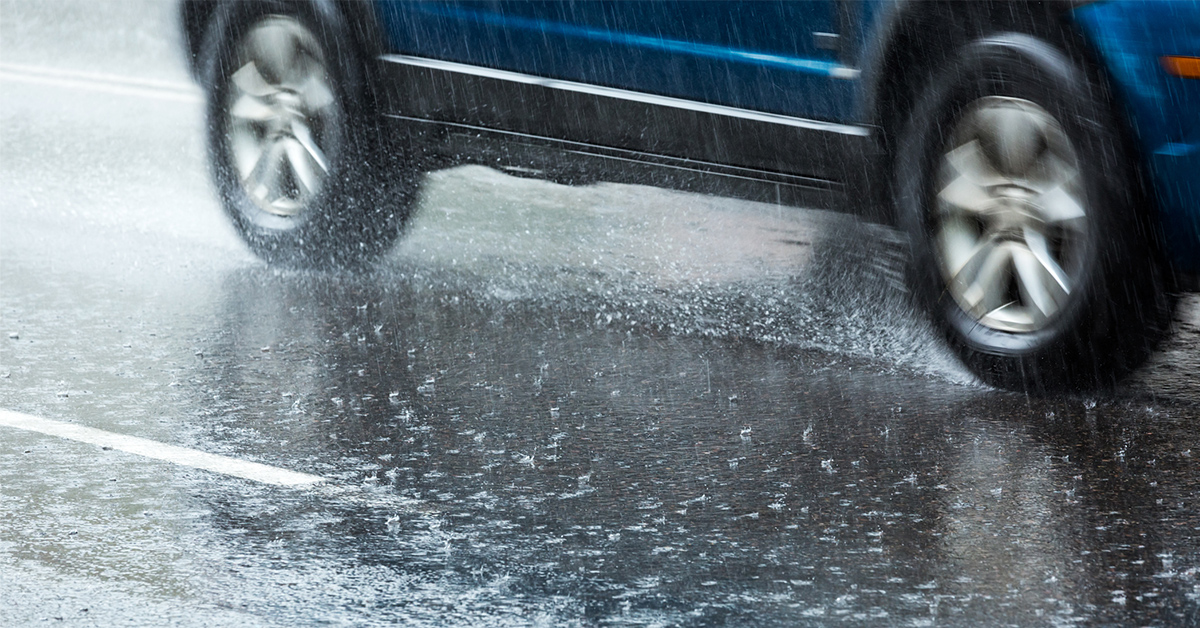
- Reduce speed well before you need to. Wet surfaces increase stopping distances. Do not wait until you encounter spray or puddles — slow down early and progressively.
- Increase your following distance. Visibility drops with spray and braking distances increase; give more than the usual margin so others’ mistakes don’t become yours.
- Avoid the edges of the road and outer lanes where water pools. Middle lanes tend to drain better; if you can safely position the car away from obvious pooling do so.
- Stay smooth and deliberate. Sudden steering, abrupt braking or heavy acceleration raise the chance of a loss of grip. If your tyres start to hydroplane, gently lift off the throttle and steer steadily — don’t brake hard or jerk the wheel. Specialist guidance on aquaplaning advises controlled, calm inputs to let the tyres re-establish contact.
- Turn off cruise control. The systems are not designed for rapidly changing traction; manual control gives you faster, more precise responses.
“If you feel the car floating, ease off the accelerator and keep the wheel straight — most drivers recover control by making small, calm corrections rather than big ones.”
Standing water: a simple decision flow
- Stop and reassess. If you can’t see the road surface under a puddle, don’t try it. Depth and hidden hazards make water unpredictable.
- If you must cross: choose a steady low gear, keep speed constant and proceed slowly. Avoid changing gears or braking in the middle of the water.
- If the engine stalls: don’t crank repeatedly — that can cause engine damage from water ingestion. Call for a tow or roadside assistance.
After the rain — what to check and why
- Dry the brakes: a short slow run applying light braking restores pad-to-disc contact. This simple step improves stopping feel and safety.
- Inspect tyres and underbody: grit, sand and debris stirred up by heavy rain can increase wear. Look for cuts or punctures and check wheel rims for damage.
- Clean sensors and cameras: add a quick wipe to your post-drive checklist — dirt reduces the effectiveness of parking aids and ADAS features.
Local context and practicalities
Doha’s weather system — monitored and forecast by the Qatar Meteorology Department — can produce short, intense bursts and localized flooding. That means conditions can change on a commute: one street may be clear while the next has standing water. Check local forecasts if you’re planning longer journeys and be prepared to reroute.
Traffic authorities and local press routinely amplify official safety guidance during wet-weather episodes; following their basic, repeated advice measurably reduces risk and delays. The Gulf Times and other outlets have summarised MoI and Met Department guidance after recent rain events, and those summaries consistently center on speed, distance and equipment checks.
Compact checklist — stick this to your dash
✅Tyres: visual check + pressure (monthly).
✅Wipers: replace if streaking.
✅Lights: low-beam ON, confirm brake lights.
✅Speed: reduce early — be at least 20–30% slower in heavy spray.
✅Distance: increase following gap to several seconds.
✅Water crossing: turn around if depth unknown.
✅Post-water: test brakes gently; inspect tyres/underbody.
Recent Articles
Most Viewed
-thumb_webp.webp)
-thumb_webp.webp)
Advice


Related Articles

-thumb_webp.webp)
-thumb_webp.webp)
-thumb_webp.webp)