Login / Register


News & Reviews
-thumb_webp.webp)
JETOUR Wins Over 70,000 Customers in 2025
19 Feb 2026
In 2025, JETOUR strengthened its footprint in the Middle East after surpassing 70,000 vehicle sales across the region, recording year-on-year growth of more than 80 percent. The milestone establishes the brand as the top-selling Chinese automotive manufacturer in the Middle East, a significant position in one of the world’s most competitive SUV-driven markets.
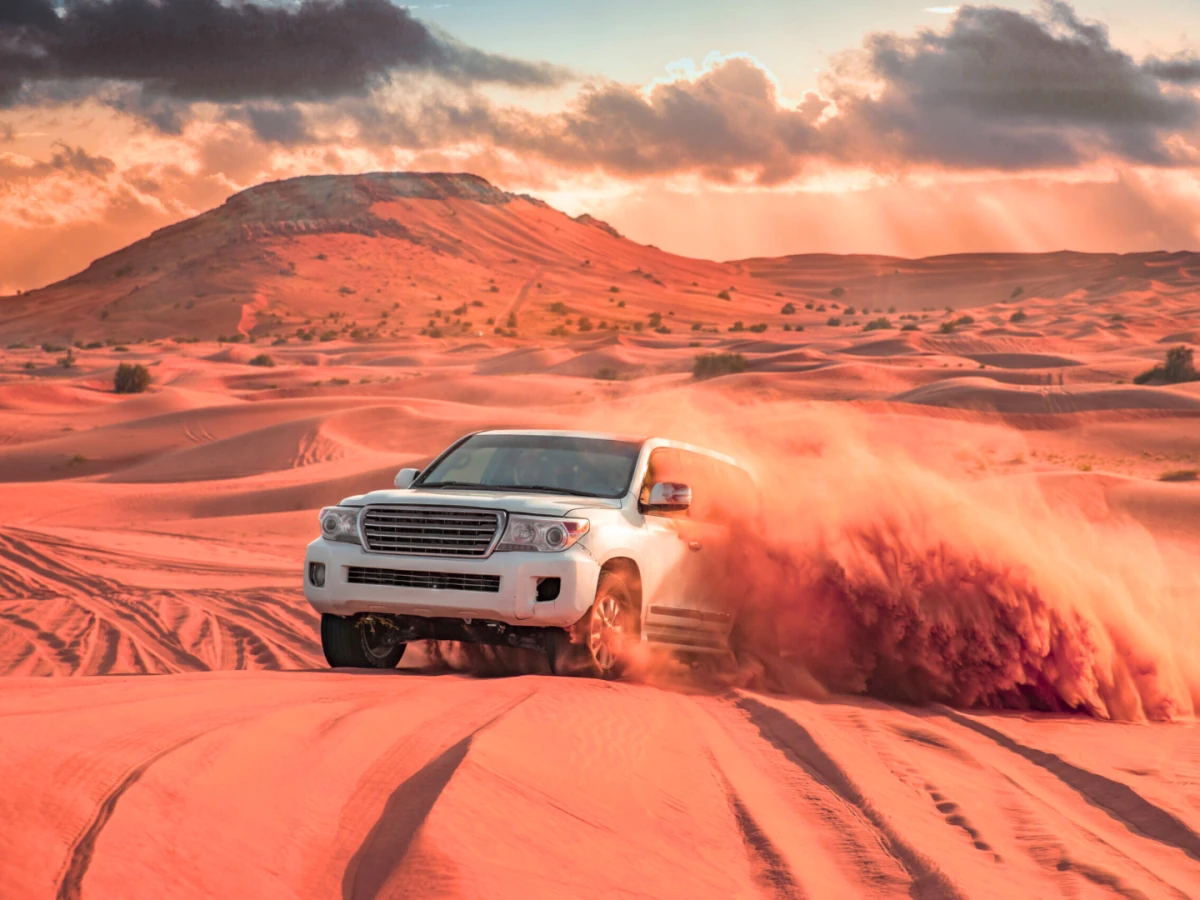
The performance was powered by a focused SUV strategy. JETOUR’s lineup — led by the family-oriented X Series and the adventure-focused T Series — matched regional demand for spacious, durable vehicles suited for both city driving and desert terrain. The JETOUR T2 emerged as one of the best-selling models in its segment across major Middle Eastern markets, reinforcing the brand’s appeal among buyers seeking rugged design with advanced technology.
By the close of 2025, JETOUR secured approximately 8.5 percent of the Middle East SUV market, ranking third overall behind Toyota and Nissan. Competing against long-established global manufacturers, this ranking reflects accelerating consumer trust, expanding dealership coverage, and improved brand recognition across the GCC and surrounding markets.
A major contributor to growth has been the company’s “Travel+” philosophy, positioning vehicles as lifestyle enablers rather than simple transportation tools. JETOUR reinforced this strategy with localized engineering efforts tailored to extreme heat, extended highway usage, and demanding off-road environments common across the region. Enhanced cooling systems, reinforced suspension setups, and durability calibration aligned vehicles with real operating conditions.
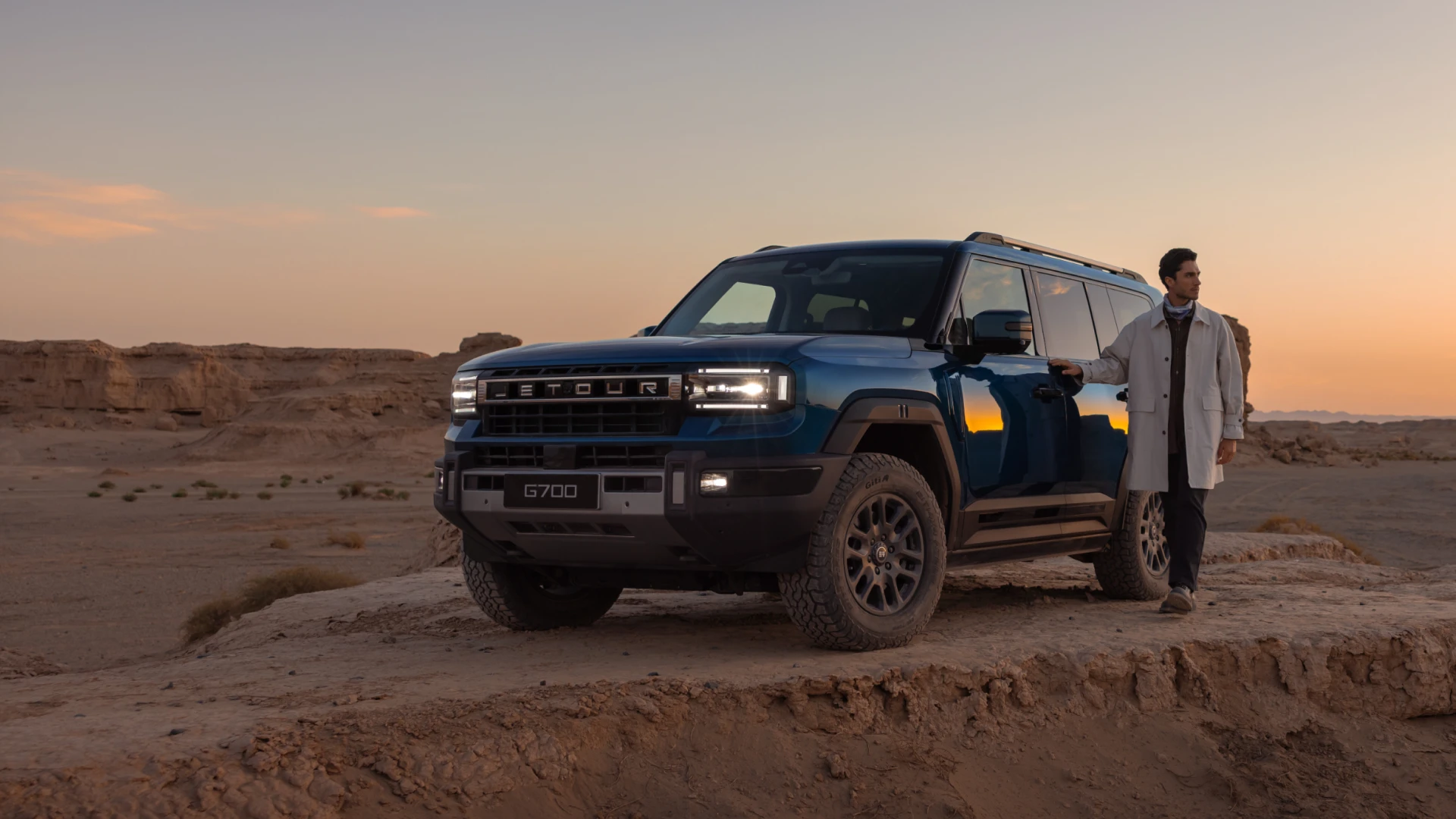
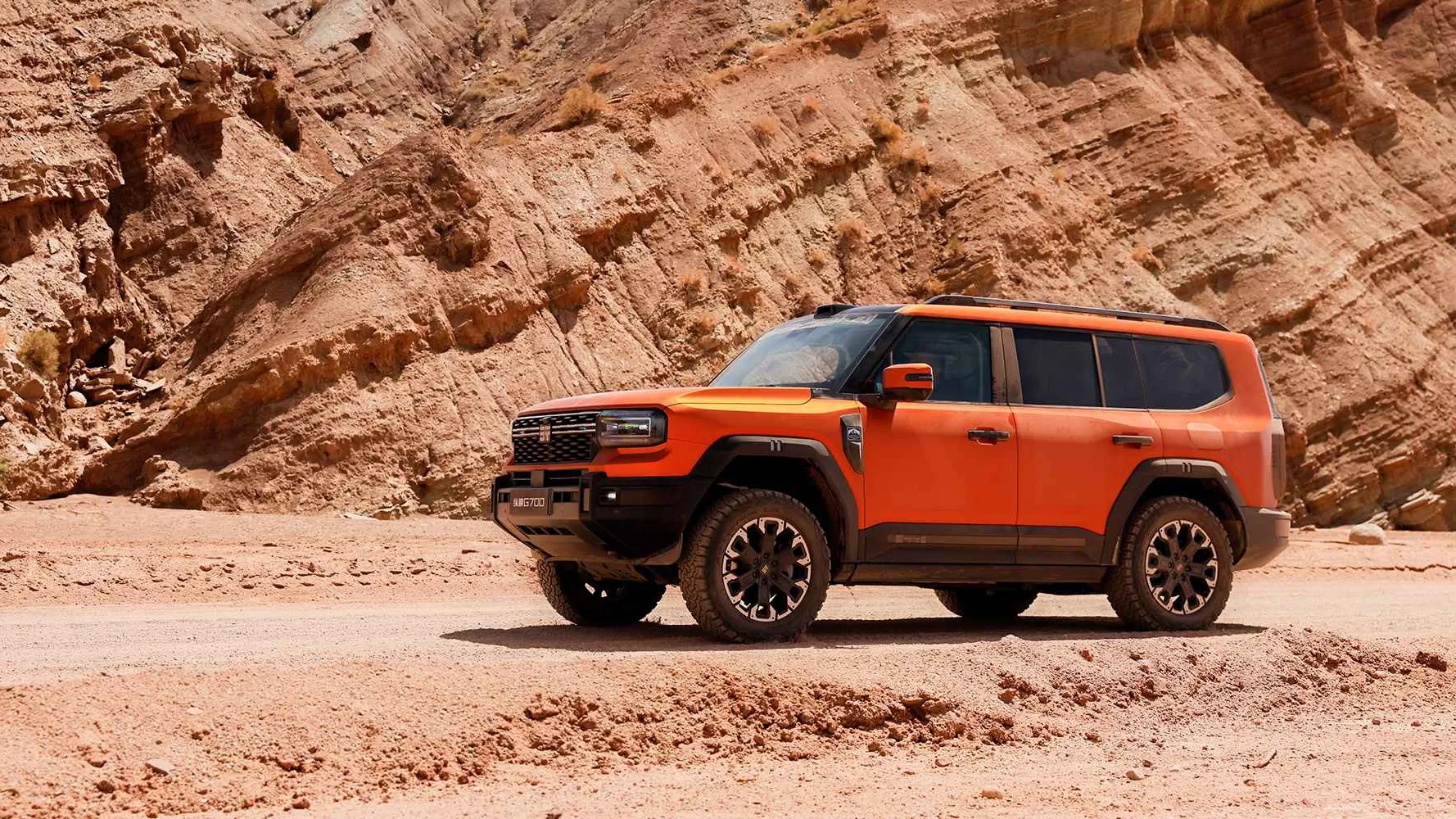
In 2025, JETOUR expanded further into the premium segment with the introduction of the JETOUR G700. Designed for customers seeking higher levels of refinement combined with advanced off-road capability, the G700 broadened the brand’s market reach beyond value-driven buyers and strengthened its competitive stance in higher SUV categories.
Looking ahead, the company plans to expand its after-sales infrastructure by approximately 40 percent in 2026, alongside increasing flagship showroom presence across key Middle Eastern cities. The expansion aims to reduce service turnaround times, enhance parts availability, and support the growing regional vehicle base.
For regional consumers, the 70,000-unit milestone signals structural momentum rather than temporary growth — indicating strengthened service support, sustained product relevance, and increasing competitiveness within the SUV segment.
Recent Articles
Most Viewed
-thumb_webp.webp)
-thumb_webp.webp)
Advice


Related Articles