
 Login / Register


News & Reviews
-thumb_webp.webp)
Porsche Makes Wireless EV Charging a Reality
06 Jan 2026
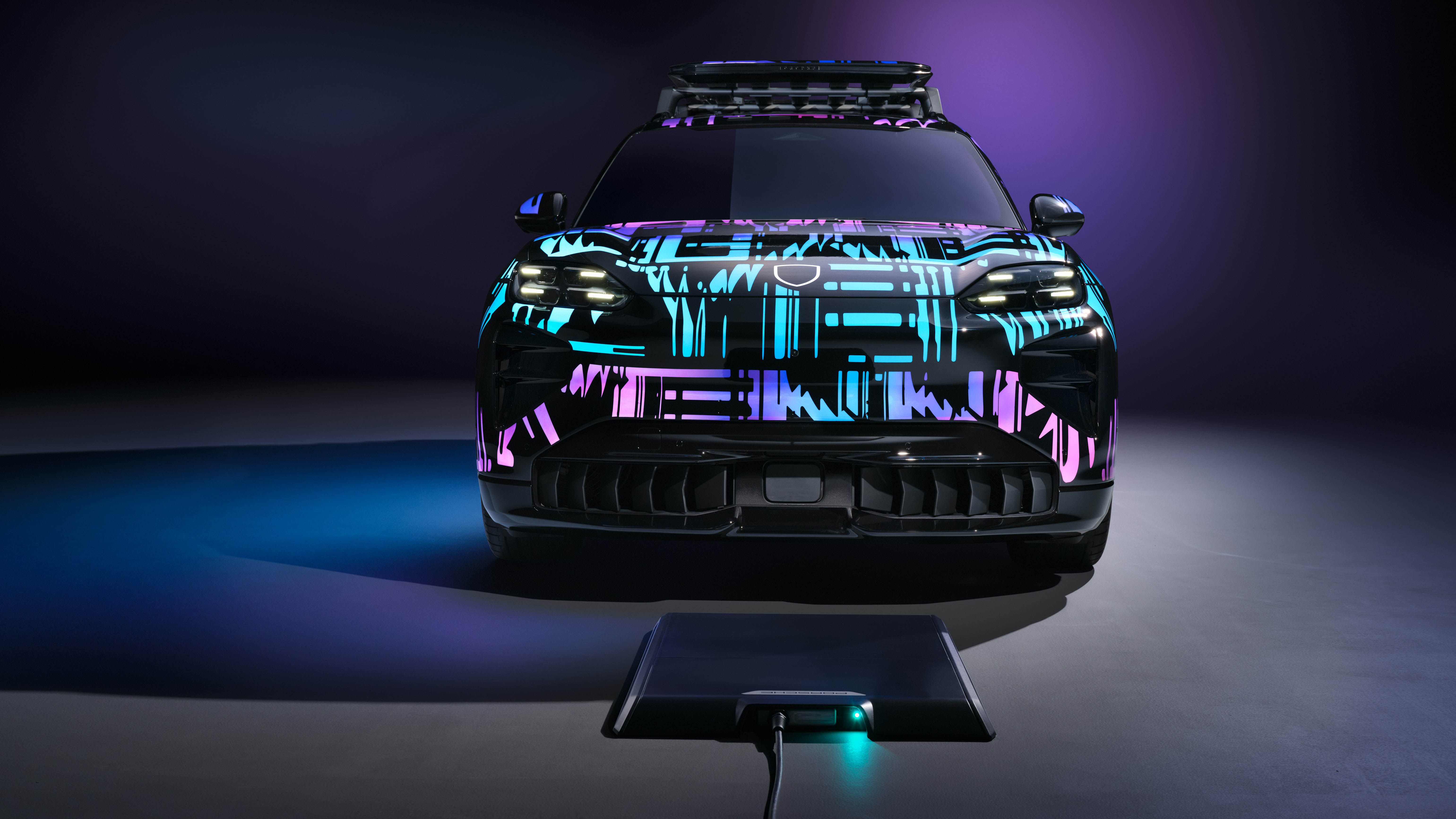
Wireless charging has long been talked about as the future of electric mobility — cleaner, simpler, and free of cables. With the upcoming electric Porsche Cayenne, that future is finally moving from pilot projects to a real production option.
Porsche is set to become the first manufacturer to offer wireless charging as a factory option, signalling that inductive charging is no longer experimental technology, but something ready for daily use.
How wireless car charging works
The system follows the SAE J2954 standard, the first globally agreed framework for wireless EV charging.
Instead of plugging in:
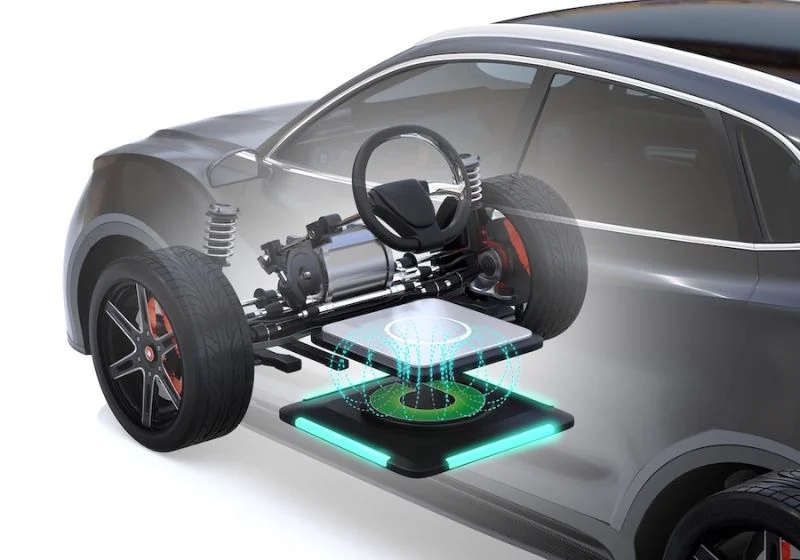
- A charging pad installed on the ground connects to the power supply
- Coils inside the pad generate an alternating magnetic field
- A receiver coil mounted under the car converts that energy into electricity for the battery
The concept is similar to Qi phone charging, but scaled up significantly — and with a small air gap between the car and the ground pad.
Porsche’s technical approach
To maximise efficiency, Porsche uses several smart solutions:
- 11kW charging power, matching typical home AC wall chargers
- Comparable efficiency to cable charging, despite the air gap
- Air suspension lowering, reducing the distance between the car and the charging pad
- Automatic alignment guidance via the infotainment screen
As the Cayenne approaches the pad, low-power signals allow the car to detect its position using a system called Differential Inductive Positioning System (DIPS). The driver is guided into the optimal spot, after which charging begins automatically.
Safety and practicality
Wireless charging may look simple, but it comes with extensive safeguards:
- Foreign object detection, preventing metal items from overheating
- Motion sensors, cutting power if an animal or object enters the space beneath the car
- Standby power management, keeping energy use minimal when not charging
Charging can also be scheduled through the car’s app to take advantage of off-peak electricity rates.
Why this matters
Wireless charging doesn’t aim to replace fast public DC chargers. Instead, it targets everyday convenience, particularly at home:
- No cables to handle
- No wall-mounted boxes or exposed connectors
- Easier access for users who struggle with heavy charging cables
For premium EV buyers — and for fleet, residential, or accessible-use cases — the appeal is clear.
The cost question
The technology doesn’t come cheap. Porsche’s wireless charging option is expected to cost around £5,000 (~ 25,000 QAR), including vehicle hardware and the ground pad. That positions it firmly as a luxury convenience feature, at least for now.
What comes next
Porsche’s move matters because it’s not a trial or a concept — it’s a production-ready system built around an agreed global standard. As costs fall and adoption grows, wireless charging could become a familiar sight in private garages, residential developments, and managed parking spaces.
Wireless charging for cars has officially arrived.
Recent Articles
Most Viewed
-thumb_webp.webp)
-thumb_webp.webp)
Advice


Related Articles
-thumb_webp.webp)

-thumb_webp.webp)
-thumb_webp.webp)

-thumb_webp.webp)