
 Login / Register


News & Reviews
-thumb.jpg)
Qatar’s Shift Toward Electric Cars: What Drivers Need to Know
24 Aug 2025
If you’ve been paying attention to Qatar’s streets lately, you might have noticed something unusual—silent glides instead of roaring engines, sleek Teslas pulling up at Pearl traffic lights, and the occasional BYD or MG EV charging quietly in a mall car park. Electric cars (EVs) are no longer a distant trend. They’re here in Qatar, slowly but surely, carving out a place in a landscape traditionally dominated by big SUVs and desert-ready Land Cruisers.
But what does going electric really mean for Qatari drivers—especially those who love tinkering with engines, modifying cars, or heading out to the dunes on weekends? Let’s take a closer look.
The Local Landscape: Why EVs in Qatar Are Different
Qatar is not just another stop on the global EV wave. The local driving environment is unique. Long stretches of highway, intense summer heat that regularly hits 50°C, and fine desert dust that finds its way into every vent and crevice—all of these raise important questions about how EVs cope here.
Heat, for instance, is a silent enemy of batteries. EV manufacturers test their cars extensively, but Qatari summers push the limits. That means battery cooling systems are critical, and early adopters here are keeping a close eye on long-term degradation. Dust is another challenge: while combustion engines also suffer, EV motors and cooling fans need just as much protection, especially for drivers who love weekend off-road trips.
Charging
Right now, Qatar’s charging infrastructure is in its early stages but growing fast. The Ministry of Transport has been installing public charging points at malls, metro stations, and main roads. Karwa’s electric taxis already rely on a growing network, and by 2030, Qatar plans to have thousands of chargers across the country.
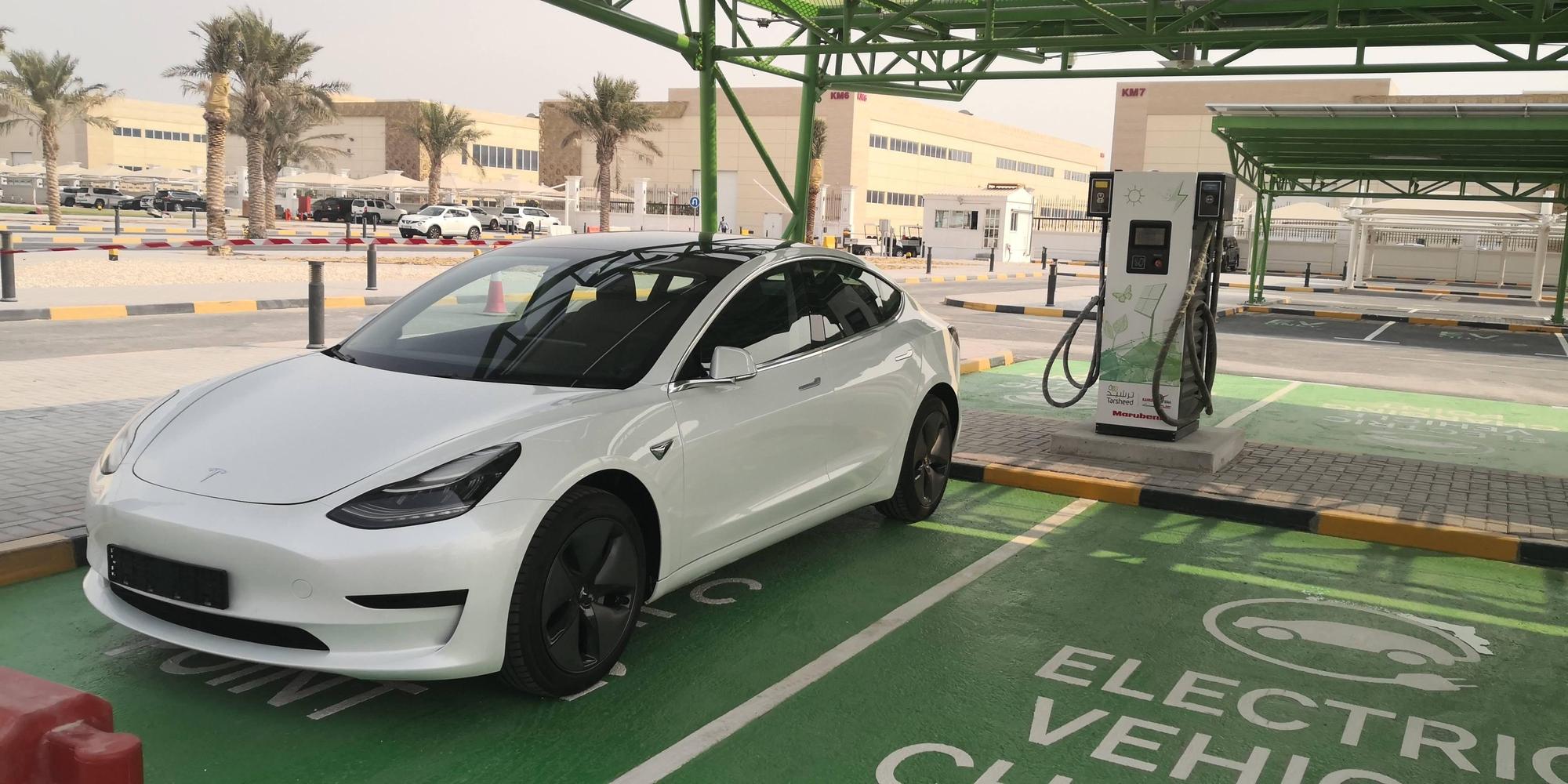
Still, compared to petrol stations, charging is less convenient. A full charge at a standard public charger can take anywhere between 2–8 hours, depending on the car. Fast chargers (DC) can get you from 20% to 80% in around 30–40 minutes, but they’re still limited in number.
For most EV owners today, home charging is the solution. If you live in a villa, installing a wallbox charger makes owning an EV practical—you plug in overnight and wake up to a full “tank.” Apartment dwellers, on the other hand, face challenges unless their buildings add charging stations.
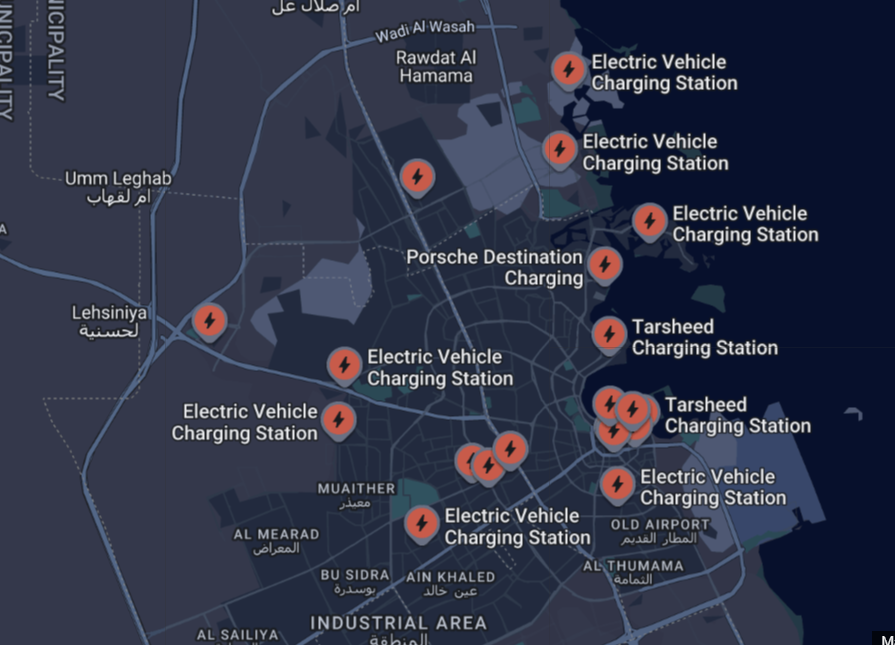
A simple map of Qatar highlighting current charging stations
Costs: Are EVs Worth It?
The first question many buyers ask: is it cheaper than petrol?
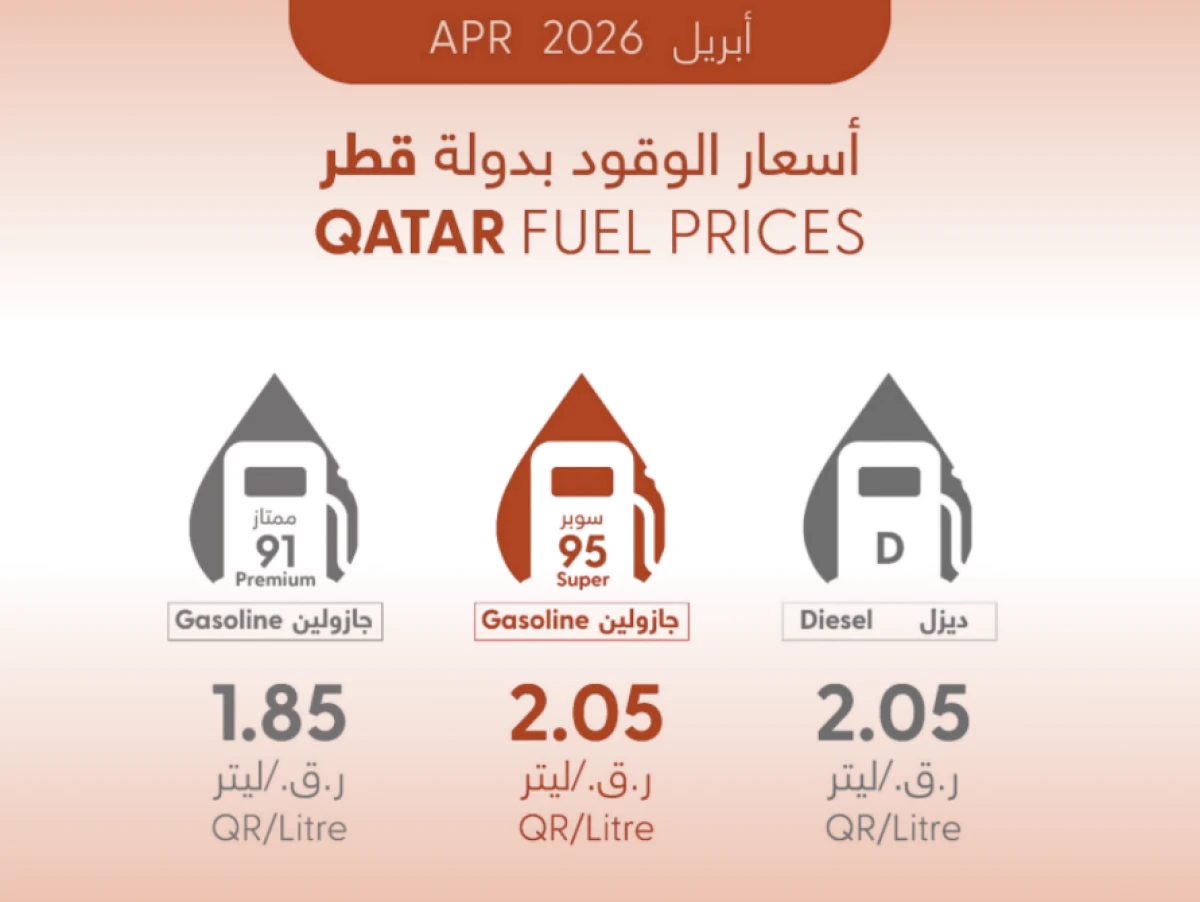
Upfront, EVs are still more expensive. But running costs tell a different story. Charging at home is significantly cheaper than filling up with Super or Premium petrol. Maintenance is lower too—no oil changes, fewer moving parts, and brakes that last longer thanks to regenerative braking. The big unknown remains battery replacement, which can cost tens of thousands of riyals, though most manufacturers now offer 8–10 year warranties.
Performance
For enthusiasts, here’s the fun part: EVs are brutally fast. Instant torque means even modest EVs feel lively, while performance models can out-accelerate supercars. The Tesla Model S Plaid rockets to 100 km/h in approximately 2.0-2.1 seconds—blazing fast compared to any stock Land Cruiser, which typically takes 10 seconds or more.
The Modding Question
Garage tinkerers in Qatar love modifying cars, whether it’s lift kits, exhausts, or turbo swaps. With EVs, the game changes. There’s no exhaust to upgrade, no turbo to boost. Instead, EV enthusiasts globally are experimenting with software tuning, suspension mods, and cosmetic upgrades. Qatar’s modding culture will likely adapt slowly, but the shift may open up new business opportunities for workshops ready to embrace EV customization.
What the Future Looks Like
Qatar has committed to sustainability goals that align with global efforts to cut emissions. Public buses are going electric, Karwa’s fleet is already partly EV, and the country is building out the infrastructure for private cars.
In the near future, we may see:
- More affordable EV options from China and Korea, widening the market beyond luxury buyers.
- Expansion of fast-charging stations, making highway trips to Al Khor or Dukhan worry-free.
- Specialized EV servicing centers, as demand grows beyond dealerships.
- Possible hybrid off-roaders, bridging the gap for desert-loving drivers who still want green credentials.
Electric cars in Qatar are not just about saving fuel or cutting emissions—they represent a cultural shift. They fit well for daily commuting, city driving, and long highway journeys, but they’re still finding their place in a society where rugged SUVs and roaring engines define the driving spirit.
Recent Articles
Most Viewed
-thumb_webp.webp)
-thumb_webp.webp)
Advice


Related Articles
-thumb_webp.webp)

-thumb_webp.webp)
-thumb_webp.webp)
-thumb_webp.webp)
-thumb_webp.webp)