Login / Register


News & Reviews
-thumb_webp.webp)
What Happens If You Skip Car Servicing?
16 Mar 2026
Regular car servicing is one of the most important responsibilities of vehicle ownership. Many drivers delay or skip maintenance to save money or time, but ignoring scheduled service can lead to serious mechanical problems, higher repair costs, and increased safety risks.
Understanding the consequences of skipping servicing helps drivers protect their vehicles, avoid expensive breakdowns, and maintain safe driving conditions.
Engine Wear Increases Faster
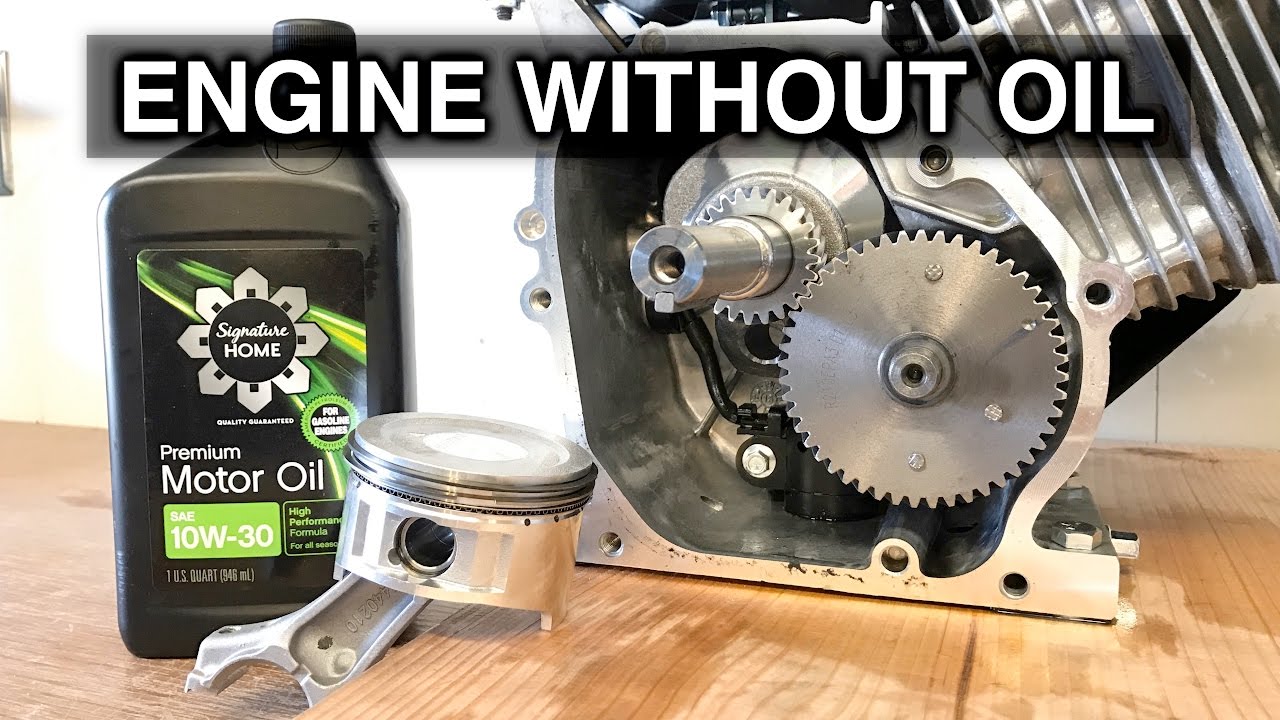
Engine oil lubricates the moving parts inside the engine. Over time, oil becomes contaminated with dirt and loses its ability to properly protect engine components.
When oil changes are skipped, friction between metal parts increases and the engine begins to run hotter. This extra stress accelerates wear on internal components such as pistons, bearings, and valves. Over time, the damage can become severe enough to require expensive repairs or even a full engine replacement.
Fuel Efficiency Drops
A vehicle that is not maintained properly often consumes more fuel. Components such as air filters, spark plugs, and engine oil all affect how efficiently the engine operates.
When these parts become dirty or worn out, the engine must work harder to produce the same power. Drivers may notice reduced fuel economy, slower acceleration, and rough engine performance. Routine servicing helps the engine run efficiently and keeps fuel consumption under control.
Small Problems Turn Into Expensive Repairs
One of the main benefits of regular servicing is early problem detection. Mechanics can identify small issues before they develop into major mechanical failures.
Without regular inspections, minor problems can worsen over time. A small oil leak may lead to serious engine damage, worn brake pads can damage brake discs, and low coolant levels may eventually cause the engine to overheat. Addressing these issues early is far less expensive than dealing with major repairs later.
Safety Risks Increase
Car servicing includes inspections of critical safety systems such as brakes, tires, steering components, and suspension.
When these parts are not checked regularly, their condition can deteriorate without the driver noticing. Worn brake pads can reduce stopping power, damaged tires can increase the risk of blowouts, and worn suspension components can affect vehicle stability. Skipping maintenance therefore increases the likelihood of accidents and unsafe driving conditions.
Vehicle Lifespan Becomes Shorter
Vehicles that receive consistent servicing often remain reliable for many years and can travel hundreds of thousands of kilometers. In contrast, cars that are neglected tend to experience frequent mechanical problems and premature component failure.
Regular maintenance ensures that important systems remain in good condition, allowing the vehicle to operate reliably for a longer period.
Resale Value Declines
When selling a used car, many buyers look for a complete service history to confirm that the vehicle has been properly maintained.
A car with missing service records may raise concerns about hidden mechanical problems or neglect. As a result, potential buyers may offer significantly lower prices or choose not to purchase the vehicle at all. Maintaining a consistent servicing history helps preserve the car’s value in the used car market.
How to Prevent These Problems?
The best way to avoid the consequences of skipped servicing is consistent maintenance. Following the manufacturer’s recommended service intervals, replacing engine oil regularly, checking essential fluids, and monitoring the condition of brakes and tires all help keep a vehicle running safely and efficiently. Maintaining proper service records also ensures that maintenance history is documented and available when the vehicle is sold.
Final Thoughts
Skipping car servicing might seem like a way to save money in the short term, but it often leads to higher repair costs, reduced performance, and greater safety risks. Consistent maintenance protects the engine, improves reliability, and helps a vehicle maintain its value over time.
Recent Articles
Most Viewed
-thumb_webp.webp)
-thumb_webp.webp)
Advice


Related Articles
-thumb_webp.webp)