
 Login / Register


News & Reviews
-thumb_webp.webp)
Will Hybrids and EVs Take Over Qatar?
15 Jan 2026
The automotive world is changing fast. In countries like the Netherlands, hybrids and full EVs now make up the lion’s share of new car sales — more than 85 % combined in recent years. Meanwhile, traditional gasoline cars fell from dominating three‑quarters of the market to a small minority in just a few years.
But what about Qatar? With rising interest in sustainability and mobility innovation here at home, is the same revolution unfolding on Qatari roads?
Current Reality: EVs Are Still Niche in Qatar — But Growth Is on the Horizon
Today in Qatar, electric and plug‑in hybrid cars represent a small slice of new vehicle sales — industry estimates point to roughly 4–5 % of new passenger cars sold being fully electric or hybrid models.
That’s a long way from the Dutch numbers, but the trend is growing.
Government Strategy & Long‑Term Projections
Qatar isn’t just waiting for market forces to decide — there’s an official roadmap:
- Electric Vehicle Strategy 2021 set a target of at least 10 % of all new car sales being electric by 2030.
- PwC’s eMobility Outlook 2025 – Qatar Edition shows that by 2035, the share of new car sales that are electric could climb to around 24 % — with about 14 % fully battery electric (BEVs) and 9.6 % plug‑in hybrid (PHEVs).
- This represents a roughly 10× growth from today’s share over the next decade.
These projections align with Qatar’s broader sustainability goals under Qatar National Vision 2030 and the Third National Development Strategy, which highlight low‑carbon transport and smart, tech‑driven infrastructure.
Public & Commercial Fleets Leading the Charge
One of the clearest signs that the transition is underway isn’t in private car sales — it’s in public transport. A large majority of public buses — roughly 73 % — are already electric, thanks to government procurement and public‑private projects.
That’s a tangible glimpse of what future mobility could look like in Qatar.
What’s Driving — and Holding Back — Consumer Adoption
Like in many markets, Qatar’s consumers face similar barriers:
🔹 High Upfront Cost
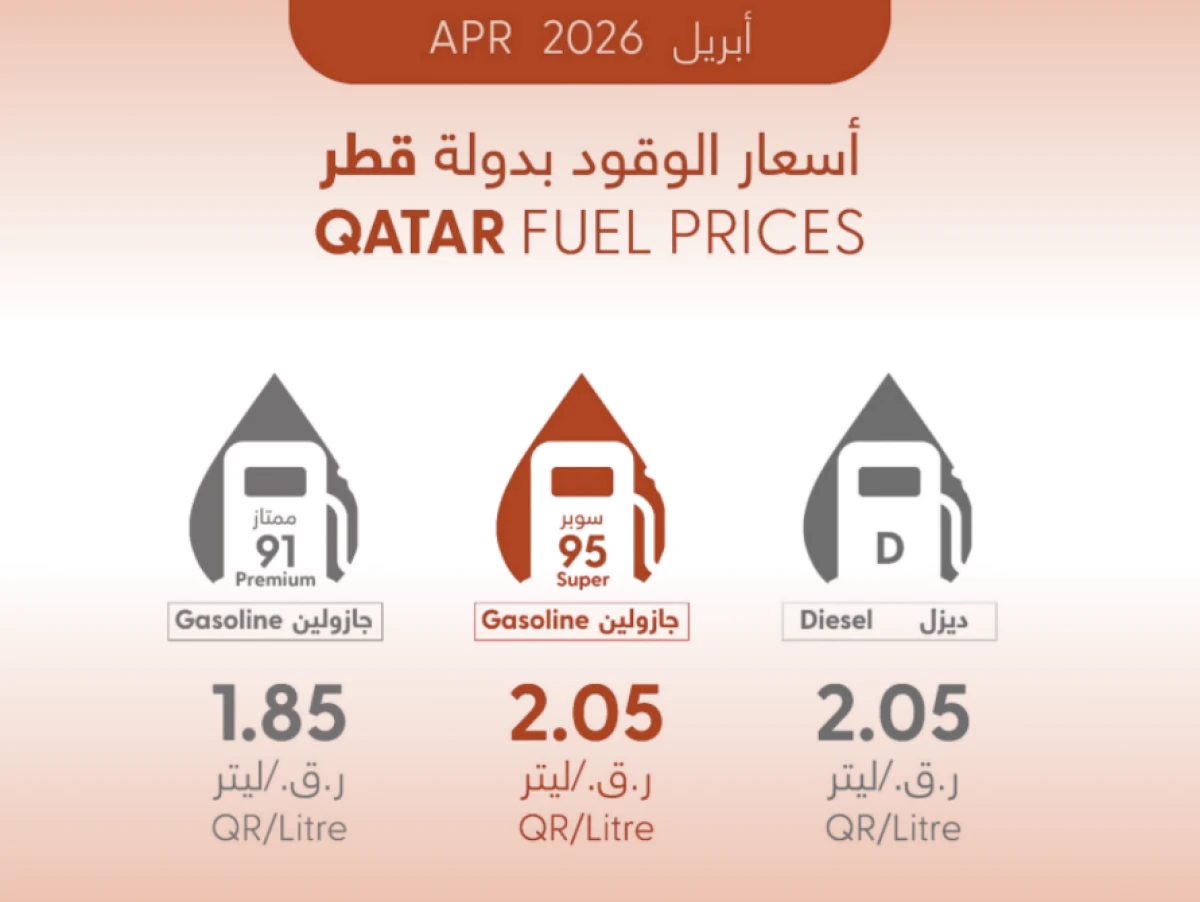
EVs and plug‑in hybrids still command a premium compared to gasoline cars, which makes many buyers hesitant — especially when fuel is relatively cheap.
🔹 Infrastructure Rolling Out
Charging stations are expanding, but the network still trails more mature EV markets. Building out urban and highway charging points remains a priority to reduce “range anxiety” and make EV ownership more convenient.
🔹 Buyer Preferences and Used Car Market
Many car purchases in Qatar are still second‑hand gasoline vehicles, which slows down the transition on the ground. This mirrors trends seen elsewhere (like in the Netherlands), where used ICE cars remain a big part of everyday mobility.
Comparing to Global & Local Trends
Globally, electric and hybrid vehicles are trending upward — with millions sold annually and ambitious targets in many countries. And while Qatar’s EV uptake lags behind many Western and Asian markets, the projected growth shows a clear pivot in direction.
Integration of EVs is supported by:
- Public‑private partnerships on charging infrastructure and vehicle assembly.(Gulf Times)
- Strategic planning anchored in national development goals.(Ministry of Transport)
So, Is Qatar Headed the Same Way?
The answer is: Yes — but on a different timeline.
Where the Netherlands sees hybrid/electric cars already dominating new sales, Qatar is still in the early acceleration phase. But with:
✔ Government strategies in place
✔ Infrastructure investments underway
✔ Public fleets already electrified
✔ Projections pointing to ~24 % EV share of new sales by 2035
…it’s clear that Qatar’s automotive market is shifting toward hybrid and electric too — just at a pace shaped by local realities. Continuous policy support, more competitive EV pricing, and wider charging access will determine how fast that transition accelerates.
Conclusion
Qatar may not yet have crossed the inflection point where EVs and hybrids make up the majority of new cars sold — as seen in the Netherlands — but the trajectory is unmistakable. From government strategy to future sales forecasts, Qatar appears to be steering toward a more electrified future on its roads.
Recent Articles
Most Viewed
-thumb_webp.webp)
-thumb_webp.webp)
Advice


Related Articles
-thumb_webp.webp)

-thumb_webp.webp)
-thumb_webp.webp)
-thumb_webp.webp)
-thumb_webp.webp)