
 Login / Register


News & Reviews
-thumb_webp.webp)
Everything We Know About the Next-Generation Mitsubishi Pajero
25 Dec 2025
The Mitsubishi Pajero is one of the most respected names in the SUV world, particularly in the Middle East. After being discontinued in 2021, the Pajero is now expected to return as a full-size, body-on-frame SUV, marking a significant shift from the crossover-heavy direction many brands have taken in recent years.
Here’s what is currently known about the next-generation Pajero.
A Proper Body-on-Frame SUV
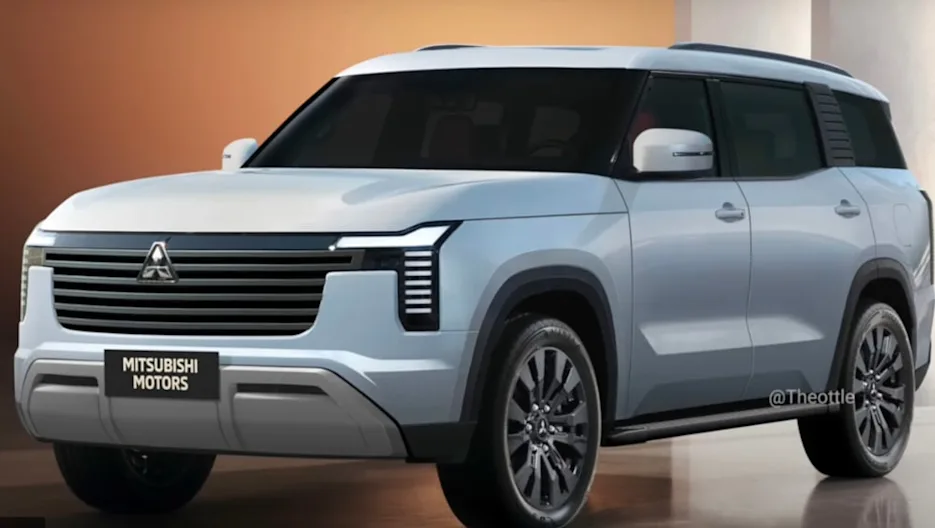
The upcoming Pajero is expected to use a body-on-frame construction, preserving the mechanical foundation that defined previous generations. This confirms that Mitsubishi is positioning the Pajero as a true off-road-capable SUV, rather than a unibody, road-focused crossover.
This immediately separates it from softer SUVs in Mitsubishi’s lineup and reinforces its role as the brand’s flagship off-road vehicle.
Platform and Mechanical Direction
The Pajero is expected to sit on a new ladder-frame platform, developed to improve structural rigidity, towing capability, and durability in extreme conditions — particularly high-heat environments common in the Gulf.
External reporting suggests the platform may be related to Mitsubishi’s existing body-on-frame architecture used for vehicles like the Triton pickup, though Mitsubishi has not yet officially confirmed technical details.
Powertrain Options
At launch, the next-generation Pajero is expected to offer:
- Petrol engines
- Diesel engines
This aligns with Pajero’s traditional focus on torque, long-distance reliability, and suitability for demanding terrain.
Some outlets have suggested that hybrid assistance could be introduced later in the model lifecycle, but this has not been confirmed for the initial release.
Design Philosophy
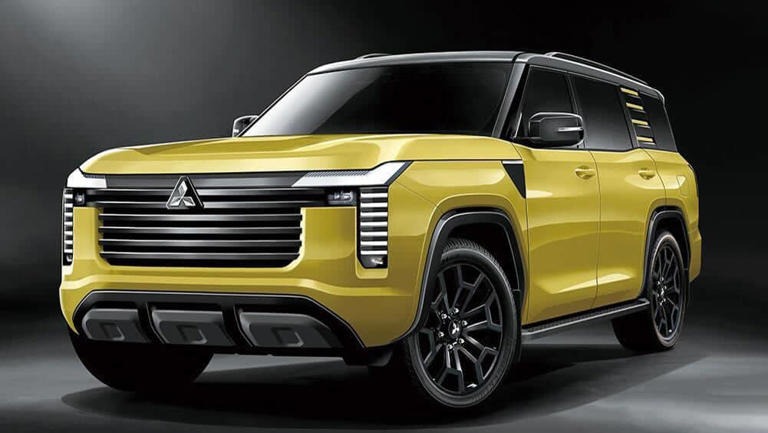
The new Pajero is expected to adopt a boxy, upright design that prioritises functionality over flowing, aerodynamic styling. This approach reflects a broader industry move back toward purposeful, utilitarian SUV proportions and signals a clear return to the Pajero’s roots.
Rather than chasing urban luxury trends, the Pajero appears focused on presence, durability, and off-road credibility.
Interior Approach
While full interior details have not been revealed, the expected direction is:
- Modern infotainment and safety technology
- Durable, practical materials
- A functional layout designed for real-world use rather than showroom appeal
This positions the Pajero as a capable long-distance and off-road vehicle rather than a luxury-first SUV.
Manufacturing and Build Quality
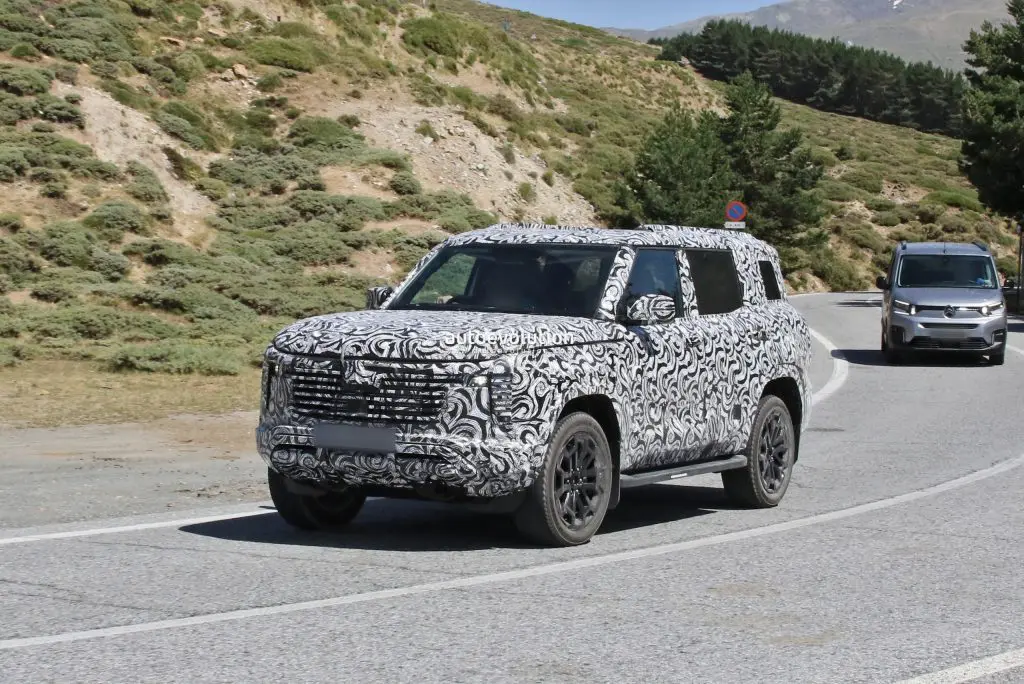
Production is expected to continue in Japan or Thailand, maintaining the build quality standards traditionally associated with the Pajero name. This will be an important factor for long-time owners who associate the Pajero with Japanese engineering and durability.
The next-generation Pajero is expected to:
- Be officially revealed in 2025
- Reach global markets in 2026
Middle Eastern markets are expected to be among the first to receive it.
The return of the Mitsubishi Pajero represents more than the revival of a familiar name. It signals Mitsubishi’s intention to re-enter the shrinking but highly respected segment of genuine, mechanically focused SUVs.
If Mitsubishi delivers on what is currently known, the next Pajero could stand as one of the few remaining vehicles that prioritise durability, off-road capability, and long-term reliability over trends and soft-road compromises.
In a market increasingly dominated by crossovers, that alone makes the Pajero’s return worth paying attention to.
Recent Articles
Most Viewed
-thumb_webp.webp)

-thumb_webp.webp)
Advice


Related Articles

-thumb_webp.webp)
-thumb_webp.webp)
-thumb_webp.webp)
-thumb_webp.webp)