
 Login / Register


News & Reviews
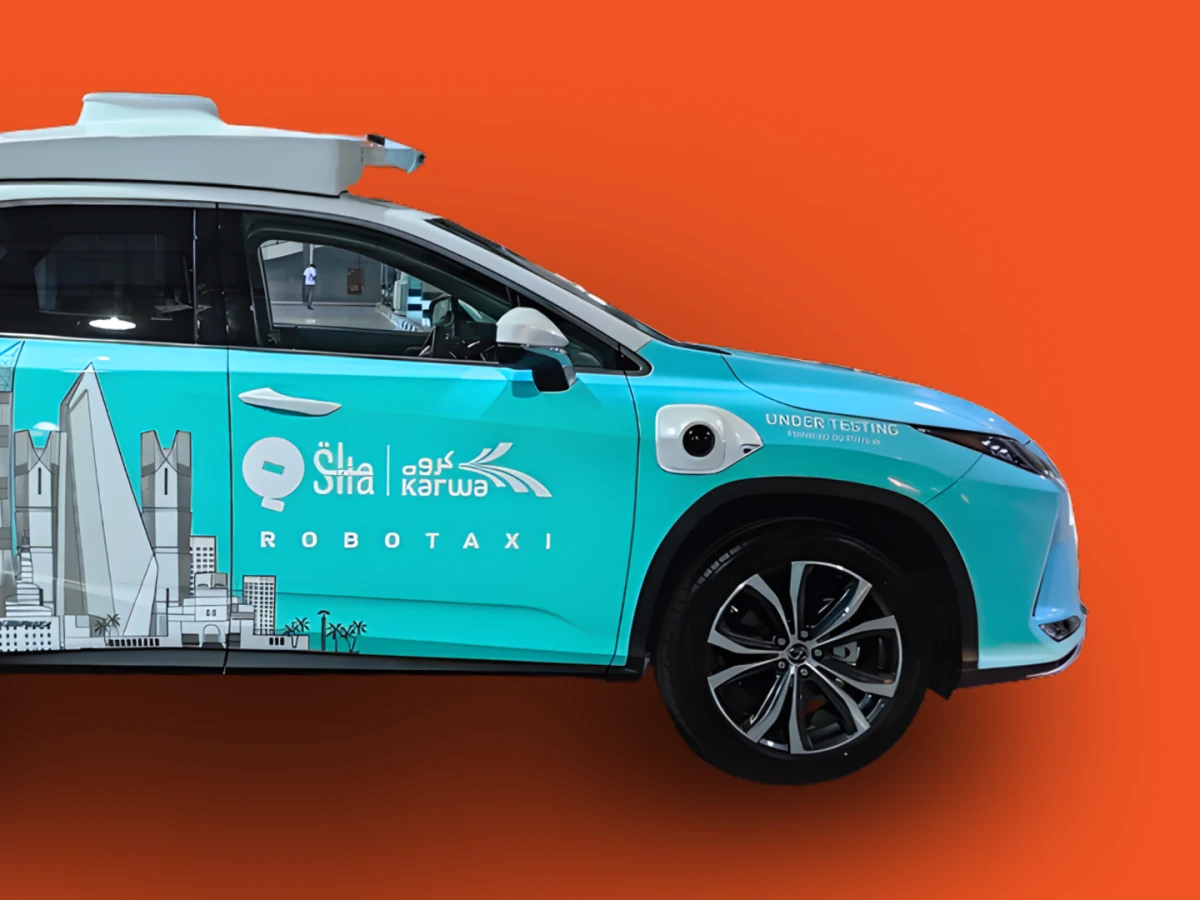
The Future of Self-Driving Cars: Hype or Reality?
11 Feb 2026
Self-driving cars — once a sci-fi fantasy — are finally moving from test tracks into real streets. But are they truly ready to replace human drivers, or are we still chasing hype?
Sections:
Where we are today
Robotaxis and Industry Shifts
Qatar
Hype vs Reality
Where We Are Today: From Technology to Trials
In 2026, autonomous vehicles are no longer just a vision — they are being driven on real public roads. In cities around the world, companies like Waymo, Pony.ai, Tesla’s Cybercab project, and Mobileye-powered systems are pushing forward with advanced autonomous systems that range from driver-assist to fully autonomous modes. Consumer vehicles typically reach Level 2/Level 3 autonomy (hands-off on highways under supervision), while specialized services like robotaxis aim for Level 4 autonomy, capable of self-driving in defined areas without human intervention under most conditions.
LiDAR — a sensor technology that “sees” in 3D — is projected to become a massive industry as demand from autonomous systems grows, with the market expected to hit nearly $18 billion by 2035, signaling long-term faith in self-driving tech infrastructure.
Global Momentum: Robotaxis and Industry Shifts
Around the world, tests and commercial trials are underway:
-
Robotaxi fleets are expanding in North America, Europe, and Asia.
-
Partnerships between global tech and traditional automakers are accelerating autonomous driving stacks integrated with AI.
-
Some companies are pushing into truck autonomy and next-gen architectures for Level 4+ driving, proving scalability beyond passenger cars.
Despite this, not all progress is linear: some auto giants are scaling back expensive Level 3 programs in consumer cars due to cost and safety calibration challenges, opting instead for more affordable driver-assist levels.
Qatar: From Vision to Reality
Qatar has become one of the Middle East’s most active autonomous mobility testbeds:
✔️ Public robotaxi trials are live in Doha, led by Mowasalat’s RoboTaxi service, with selected members of the public riding Level 4 autonomous vehicles equipped with cameras, LiDAR, and radar technology — no driver needed at times when conditions allow.
✔️ Earlier collaborations with Pony.ai laid groundwork for adapting self-driving systems to local traffic conditions.
✔️ Qatar’s Ministry of Transport also launched a national autonomous vehicle strategy, aiming to integrate self-driving systems safely into the wider transport ecosystem and improve quality of life through smart mobility.
✔️ Trials of autonomous ground vehicles at Hamad International Airport and autonomous eVTOL air taxis suggest Qatar is exploring autonomous mobility beyond roads, including logistics and urban air travel.
These efforts show tangible, phased implementation — from airport operations to public robotaxis — moving closer to everyday use.
Hype vs Reality: What’s Still in Progress?
Reality checks include:
-
Safety & edge cases: Autonomous systems still struggle with unpredictable human behavior, complex city environments, and adverse weather conditions, especially beyond dedicated routes.
-
Regulatory & legal frameworks: Laws for liability, insurance, and road rules must evolve alongside technology.
-
Infrastructure needs: Smart roads, high-precision maps, and dedicated lanes will improve performance but require public investment.
In short, the hype of fully driverless cars everywhere immediately? Still a bit early. But the reality of autonomous mobility as part of future transport systems? Already here and growing.
Conclusion: Not Science Fiction — But Not All Roads Yet
Self-driving technology has transitioned from concept to real deployments in controlled environments and trials. Doha’s robotaxi service and Qatar’s smart mobility initiatives illustrate that autonomous vehicles are becoming part of transportation ecosystems — but full-scale adoption depends on solving safety, regulatory, and infrastructure challenges. In 2026, the future of self-driving cars is evolving rapidly — neither pure fantasy nor complete replacement of human drivers, but somewhere in between, clearly real and accelerating.
Recent Articles
Most Viewed
-thumb_webp.webp)
-thumb_webp.webp)
Advice


Related Articles
-thumb_webp.webp)

-thumb_webp.webp)
-thumb_webp.webp)
-thumb_webp.webp)
-thumb_webp.webp)