Login / Register


News & Reviews
Dashboard Warning Lights Explained.
21 Feb 2026
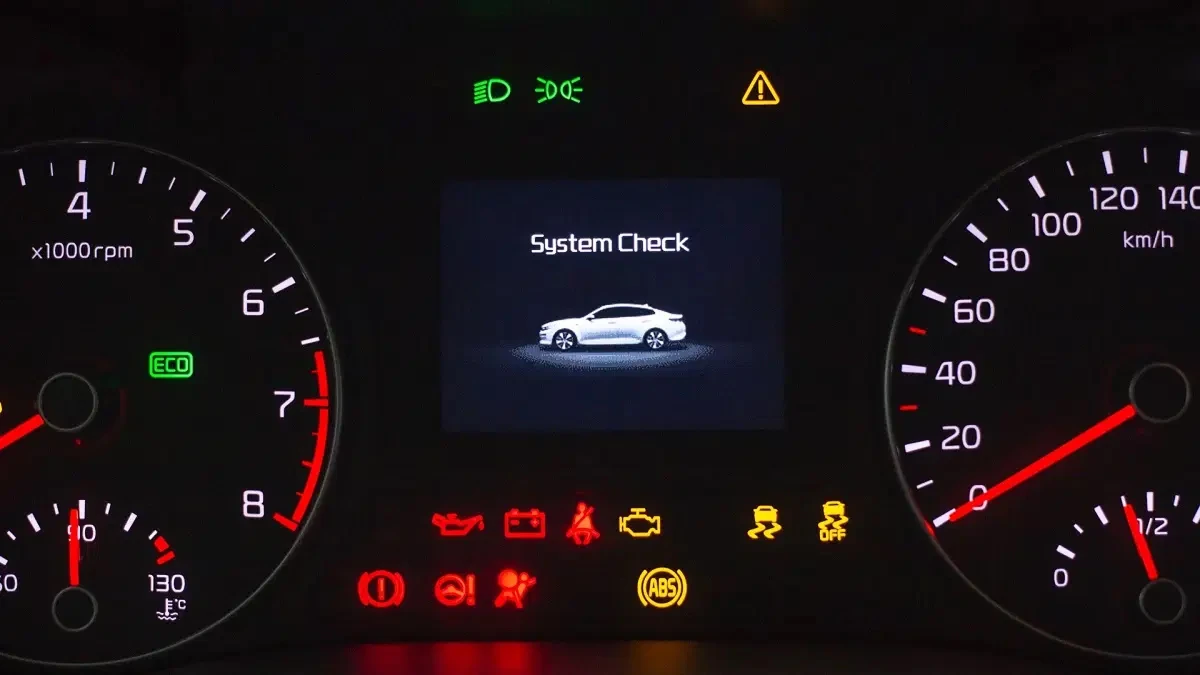
Your car’s dashboard lights are designed to alert you to potential issues, from minor notifications to urgent problems that require immediate attention. Understanding these symbols can prevent costly repairs and keep you safe on the road.
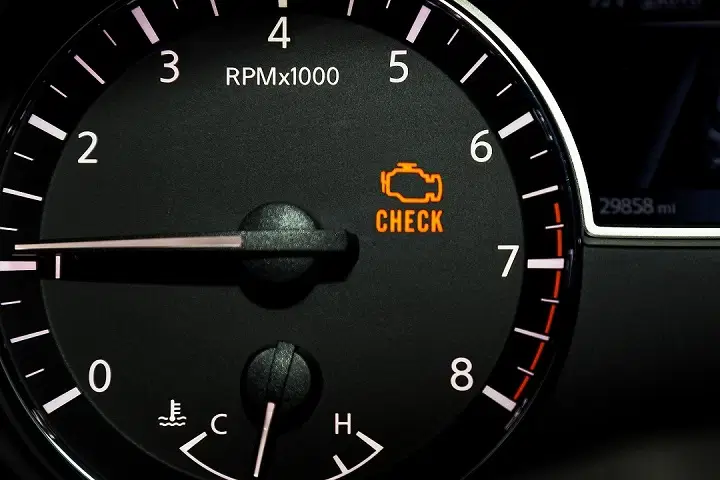
Check Engine Light
Indicates engine or emissions system issues. It may be caused by a loose gas cap, faulty sensor, or more serious engine problems. Ignoring it can worsen damage.
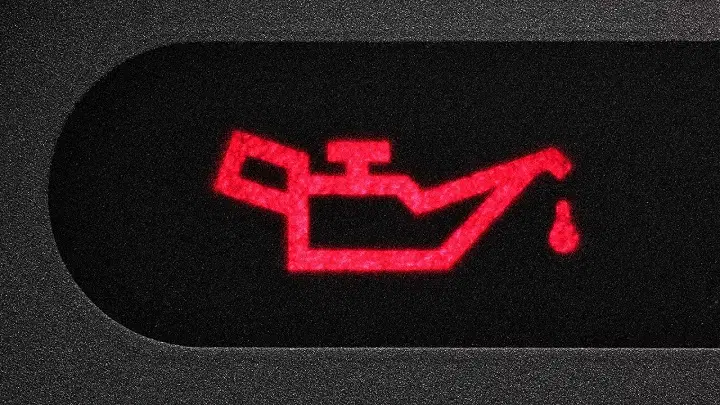
Oil Pressure Warning
Signals low oil pressure. Stop the car immediately and check the oil level. Driving with low oil can severely damage the engine.
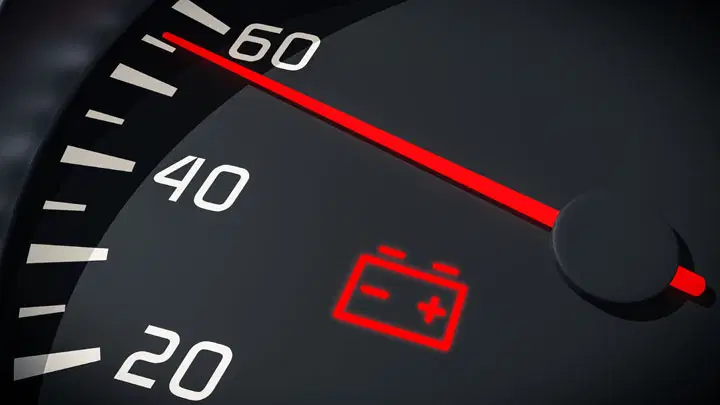
Battery/Charging Alert
Means the battery isn’t charging correctly. Could be a dead battery, alternator issue, or loose cable. Check electrical system to avoid being stranded.
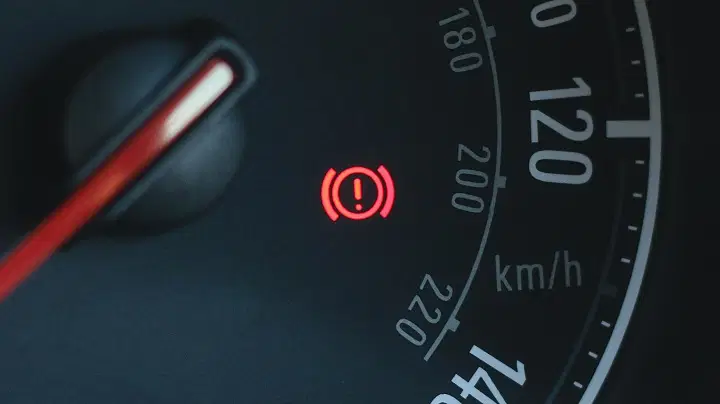
Brake System Warning
Indicates a problem with braking, which could be low brake fluid, worn pads, or ABS issues. Test brakes carefully and service immediately.
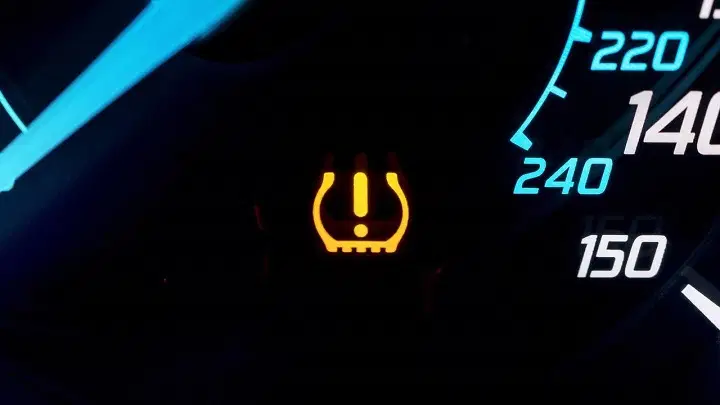
Tire Pressure Monitoring System (TPMS)
Alerts when tire pressure is too low or high. Check tires and inflate to recommended levels to ensure safety and fuel efficiency.
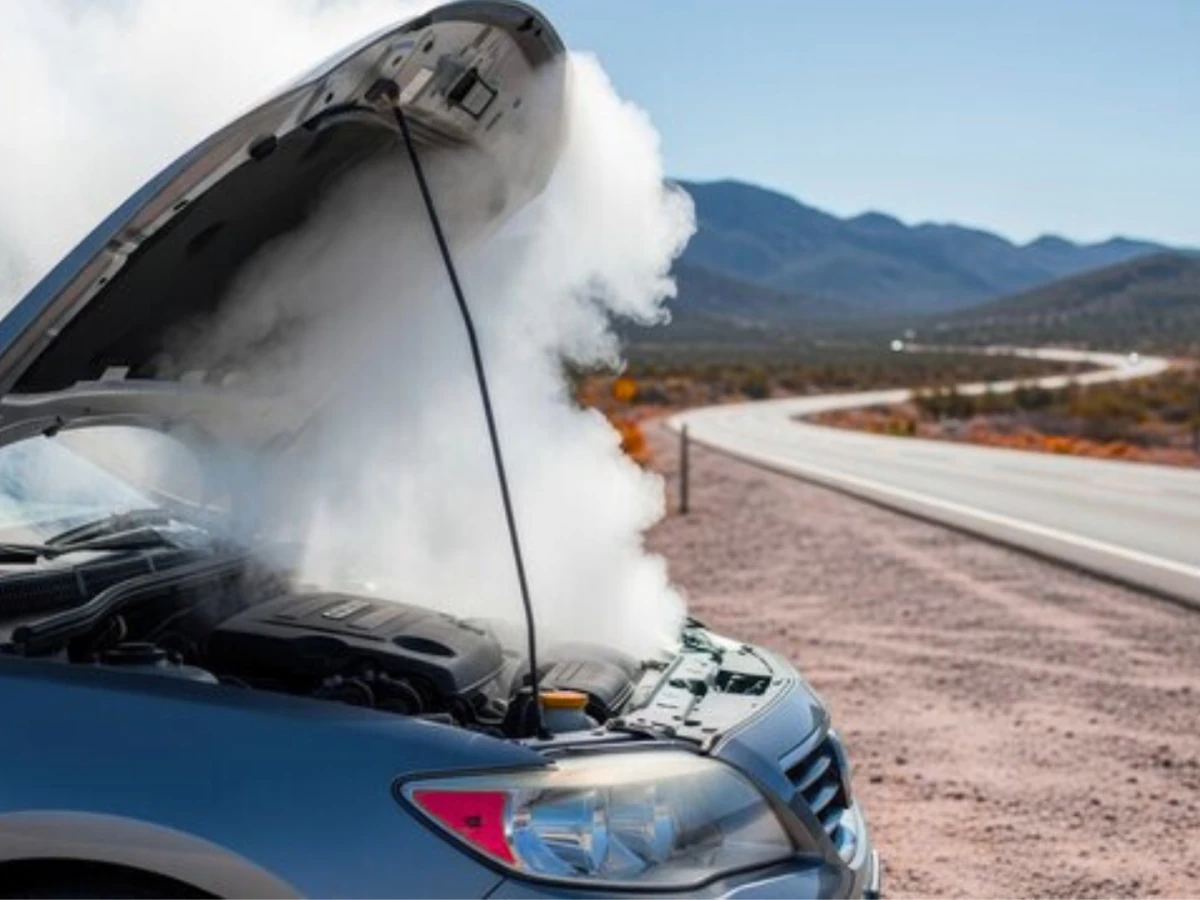
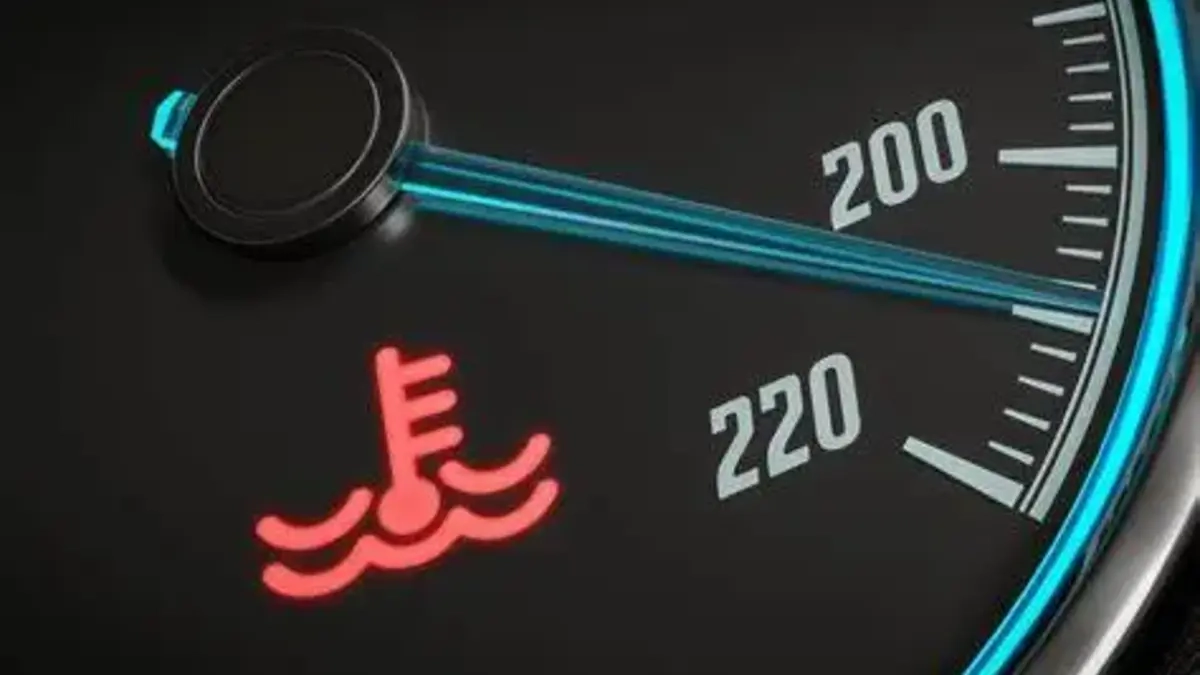
Engine Temperature Warning
Shows the engine is overheating. Stop the car, turn off the engine, and allow it to cool before checking coolant levels.
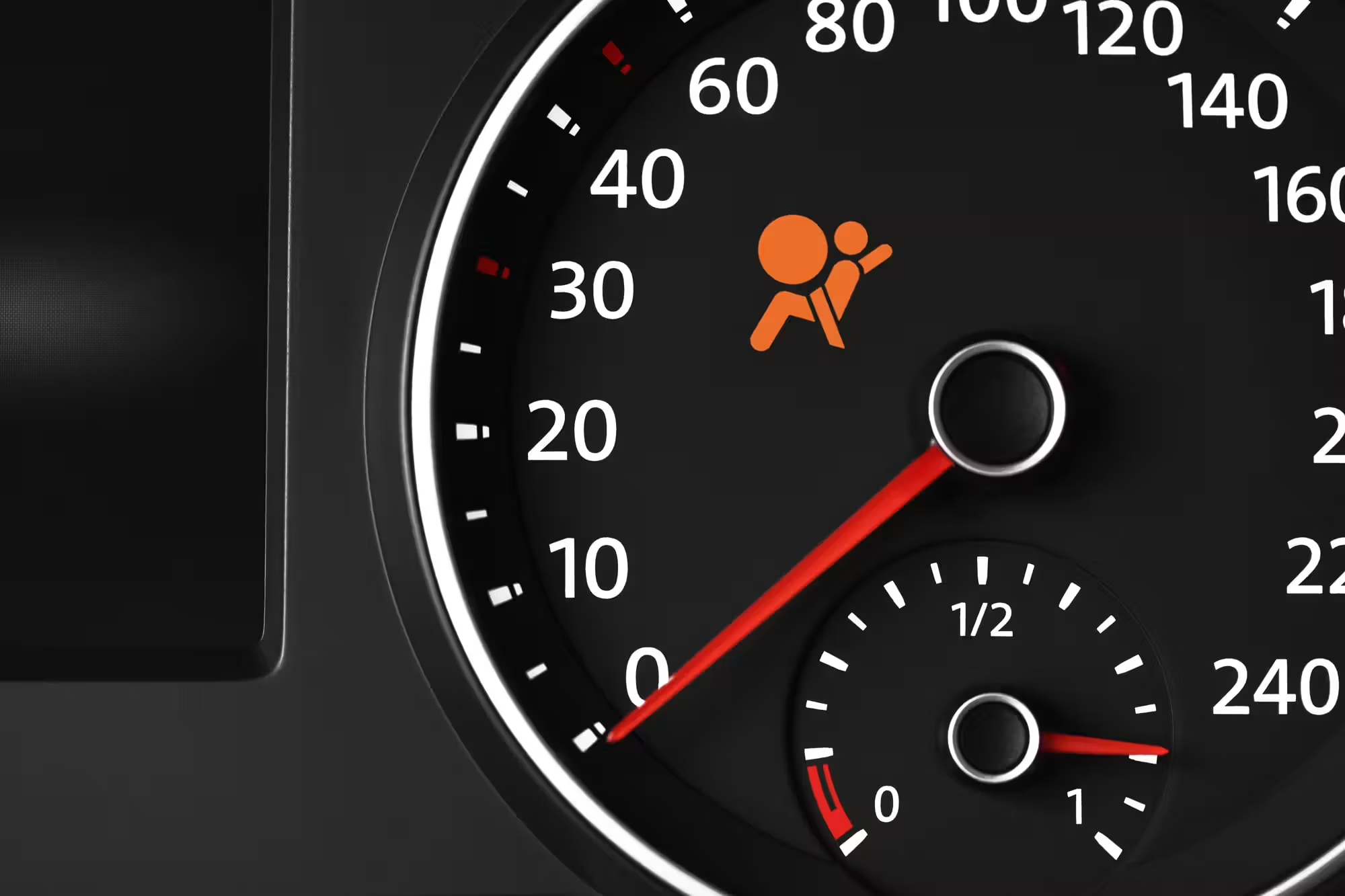
Airbag Warning
Indicates malfunction in the airbag system. Service immediately; airbags may not deploy in a crash.
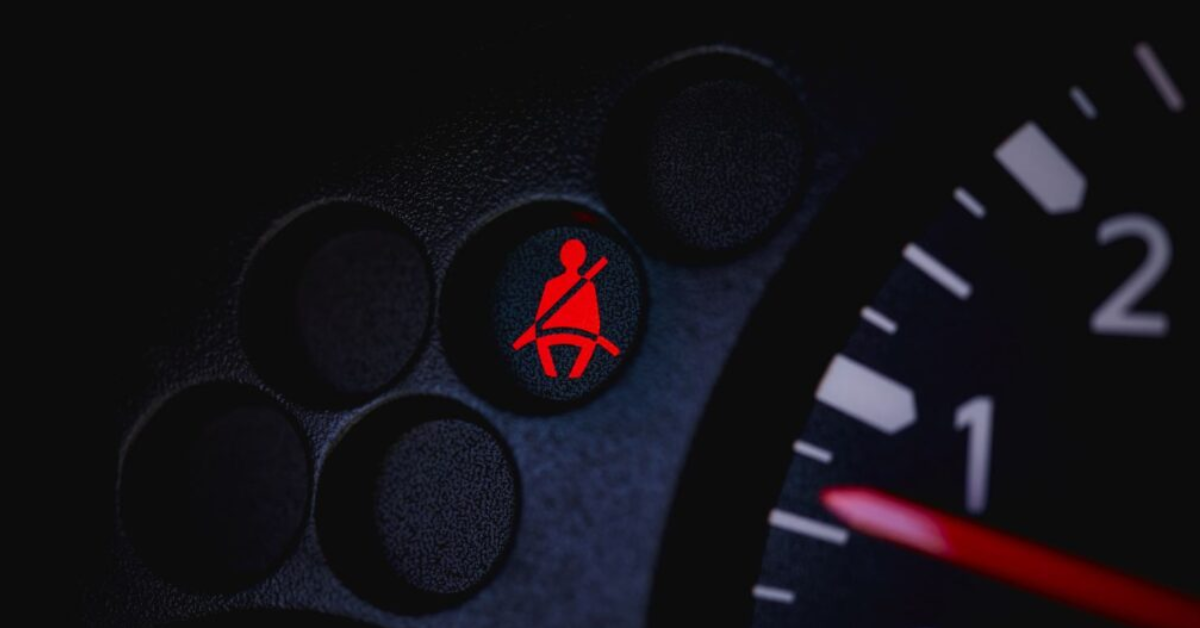
Seatbelt Reminder
Alerts when seatbelts aren’t fastened. Fasten all seatbelts to remove the warning.
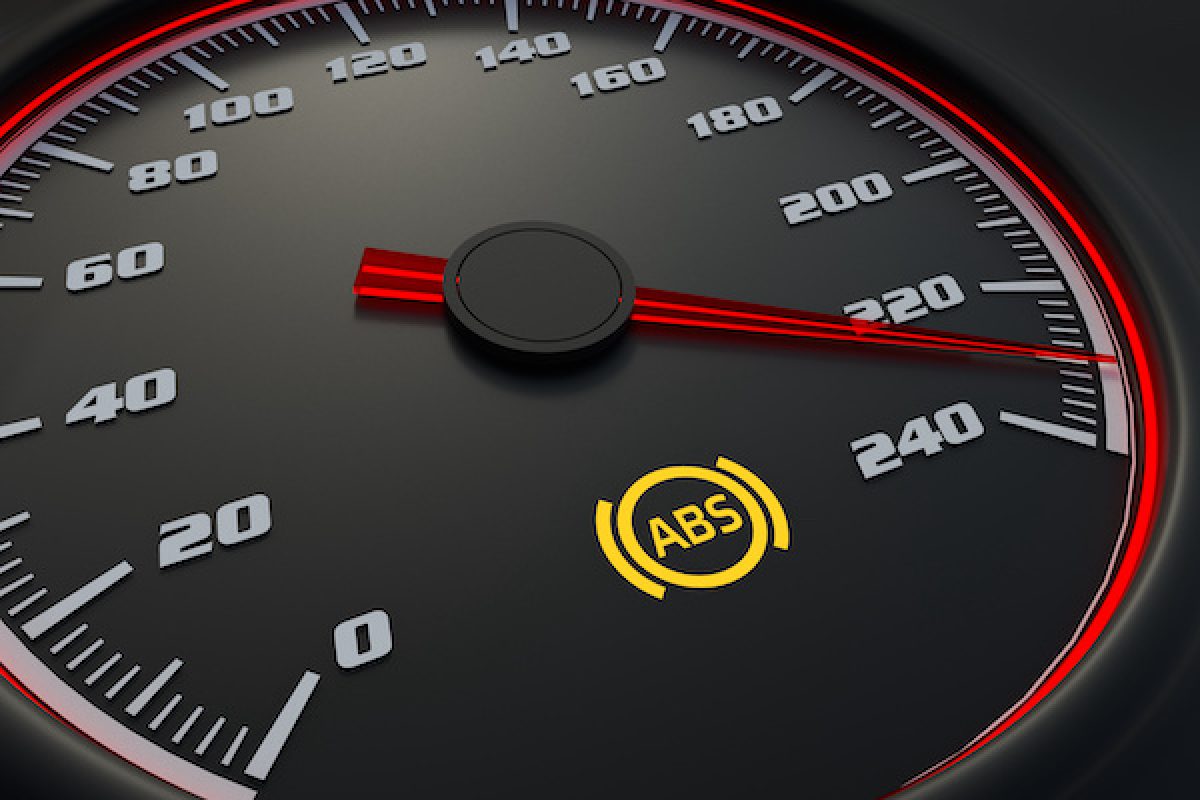
ABS (Anti-lock Braking System) Light
Shows ABS malfunction. Brakes will still work normally, but ABS may not function during hard braking.
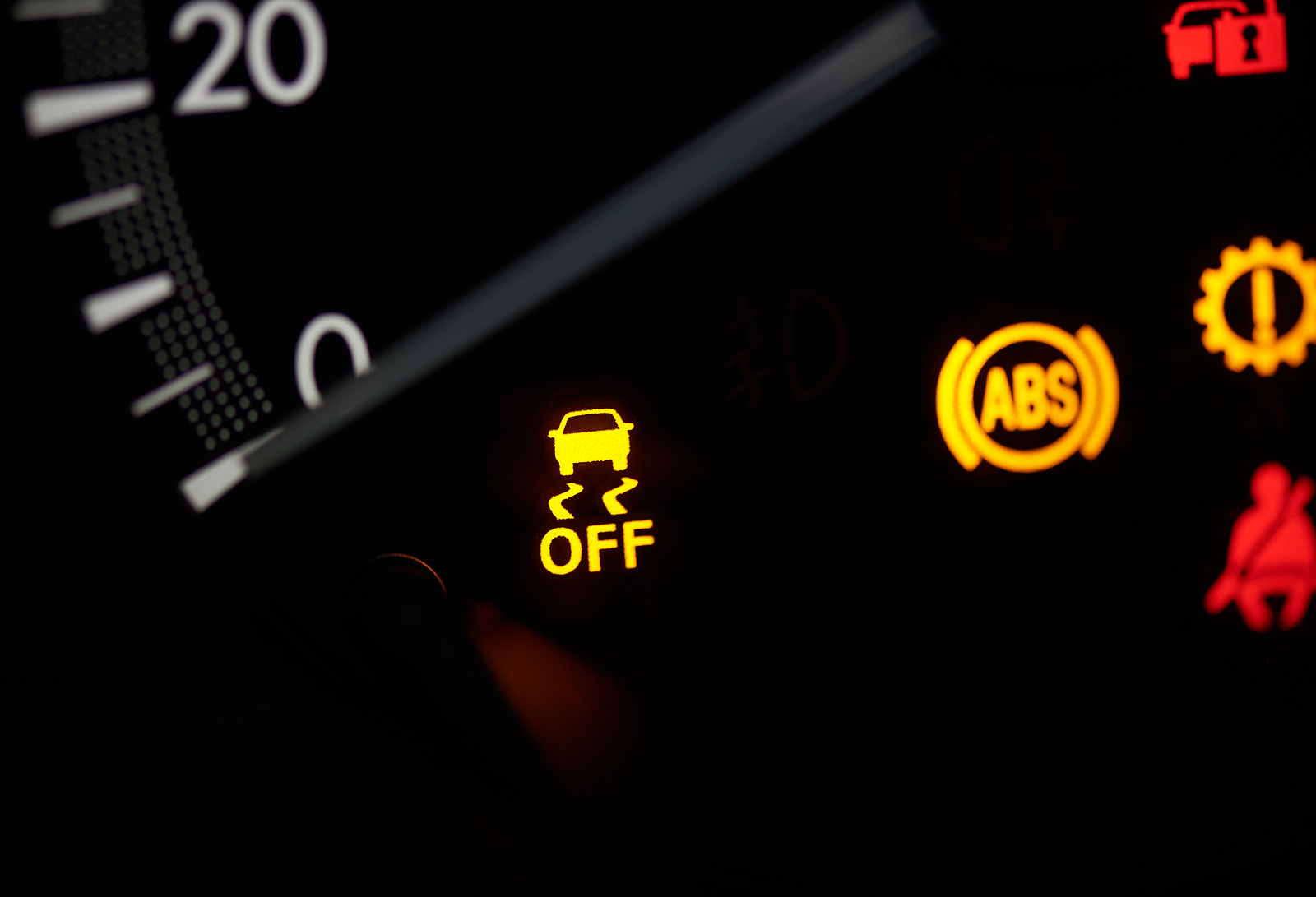
Traction Control / Stability Control
Indicates the system is active or malfunctioning. It helps prevent skidding; check system if warning stays on.
Recent Articles
Most Viewed
-thumb_webp.webp)
-thumb_webp.webp)
Advice


Related Articles
-thumb_webp.webp)

-thumb_webp.webp)
-thumb_webp.webp)
-thumb_webp.webp)