
 Login / Register


News & Reviews
What Causes Engine Overheating—and How to Prevent It
20 Feb 2026
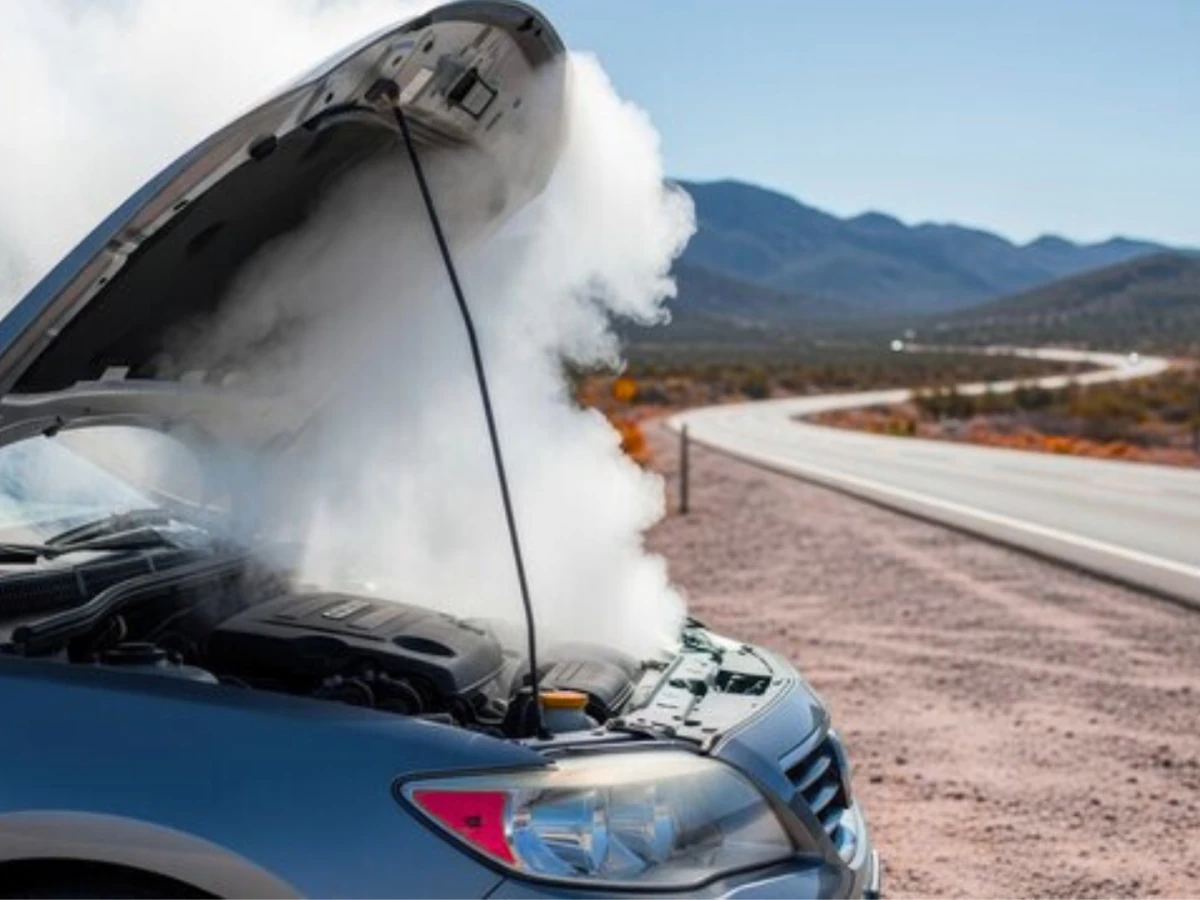
Engine overheating is one of the most common and potentially damaging problems a vehicle can face. When an engine runs hotter than its designed operating temperature, internal components such as the cylinder head, pistons, and head gasket can suffer severe damage. Understanding the causes of overheating and knowing how to prevent it can save you from expensive repairs and unexpected breakdowns.
Low or Leaking Coolant
Coolant (also known as antifreeze) absorbs heat from the engine and releases it through the radiator. If the coolant level is low due to leaks in hoses, the radiator, the water pump, or the head gasket, the engine cannot regulate its temperature properly. Even a small leak can gradually reduce cooling efficiency and cause overheating, especially in hot climates or during long drives.
Regularly checking coolant levels and inspecting for visible leaks under the vehicle can help prevent this issue. Coolant should also be replaced according to the manufacturer’s recommended interval to maintain its effectiveness.
Faulty Thermostat
The thermostat controls the flow of coolant between the engine and the radiator. If it becomes stuck in the closed position, coolant cannot circulate, and heat builds up quickly inside the engine. Overheating caused by a faulty thermostat often happens suddenly and may be accompanied by a rapidly rising temperature gauge.
Replacing a malfunctioning thermostat is relatively inexpensive and should not be delayed, as prolonged overheating can cause serious engine damage.
Radiator Problems
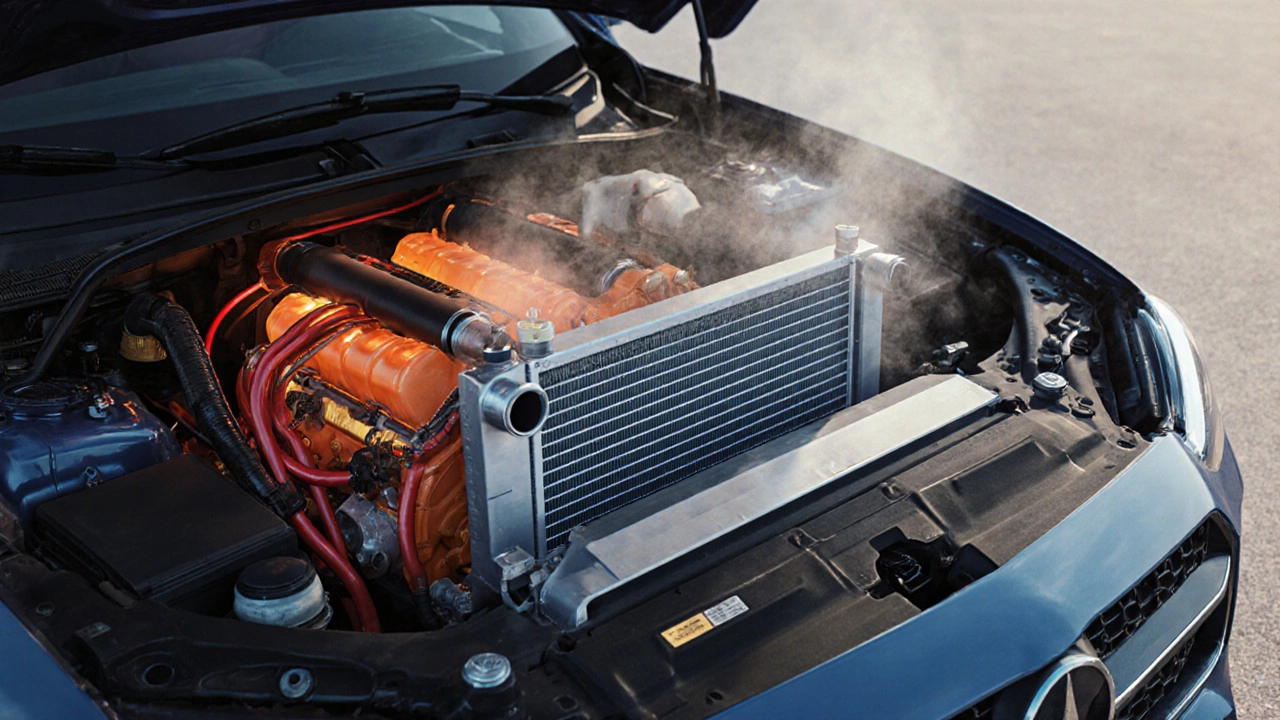
The radiator dissipates heat from the coolant. If it becomes clogged with debris, rust, or internal buildup, airflow and heat exchange are restricted. External blockage from dirt, leaves, or insects can also reduce cooling efficiency.
Regular radiator inspections and periodic flushing of the cooling system help maintain proper heat transfer. Ensuring the radiator cap is functioning correctly is equally important, as it maintains system pressure and improves cooling performance.
Water Pump Failure
The water pump circulates coolant throughout the engine. If it fails due to worn bearings, leaks, or a broken impeller, coolant flow stops or weakens significantly. Without proper circulation, engine temperature rises quickly.
Unusual noises from the front of the engine, coolant leaks near the pump, or overheating at idle may indicate water pump issues. Timely replacement prevents further complications.
Cooling Fan Malfunction
Cooling fans draw air through the radiator, especially when the vehicle is stationary or moving slowly. If the electric fan motor, relay, fuse, or temperature sensor fails, airflow decreases and the engine may overheat in traffic.
If overheating occurs mainly while idling but improves at higher speeds, the cooling fan system should be inspected immediately.
Broken or Slipping Drive Belt
In many vehicles, the drive belt powers the water pump. If the belt breaks or slips, coolant circulation is reduced or stopped entirely. Cracked, loose, or worn belts should be replaced before they fail.
Preventing Engine Overheating
Preventing overheating starts with routine maintenance. Regularly inspect coolant levels, hoses, and belts. Flush and replace coolant at recommended intervals. Pay attention to the temperature gauge and never ignore warning lights on the dashboard. If the temperature begins to rise unexpectedly, turn off the air conditioning, turn on the heater to draw heat away from the engine, and stop the vehicle safely as soon as possible to allow it to cool.
Addressing small cooling system issues early prevents major engine damage and extends the life of your vehicle.
Recent Articles
Most Viewed
-thumb_webp.webp)
-thumb_webp.webp)
Advice


Related Articles
-thumb_webp.webp)

-thumb_webp.webp)