Login / Register


News & Reviews
-thumb_webp.webp)
How AI Is Changing Modern Cars
18 Feb 2026
Artificial Intelligence (AI) is no longer a futuristic concept in the automotive world. It is already built into modern vehicles, improving safety, performance, comfort, and overall driving experience. Understanding how AI works in cars helps drivers make smarter buying and maintenance decisions.
1. Advanced Driver Assistance Systems (ADAS)
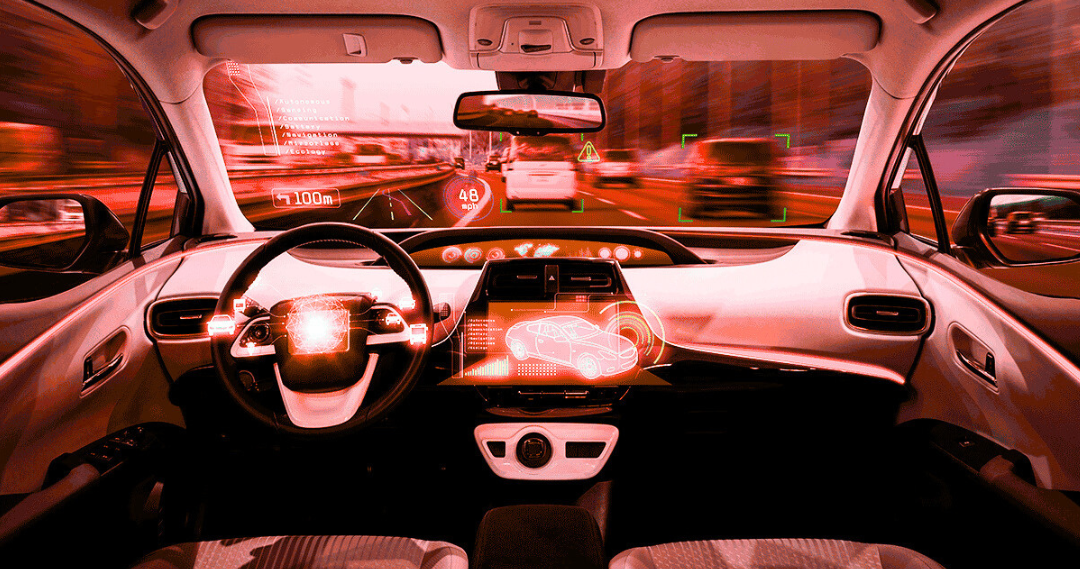
AI powers systems such as adaptive cruise control, lane-keeping assist, automatic emergency braking, and blind-spot monitoring. These features rely on cameras, radar, and sensors that continuously analyze road conditions in real time.
The system detects vehicles, pedestrians, lane markings, and obstacles, then makes split-second decisions to assist the driver. While these technologies do not fully replace the driver, they significantly reduce the risk of accidents caused by human error.
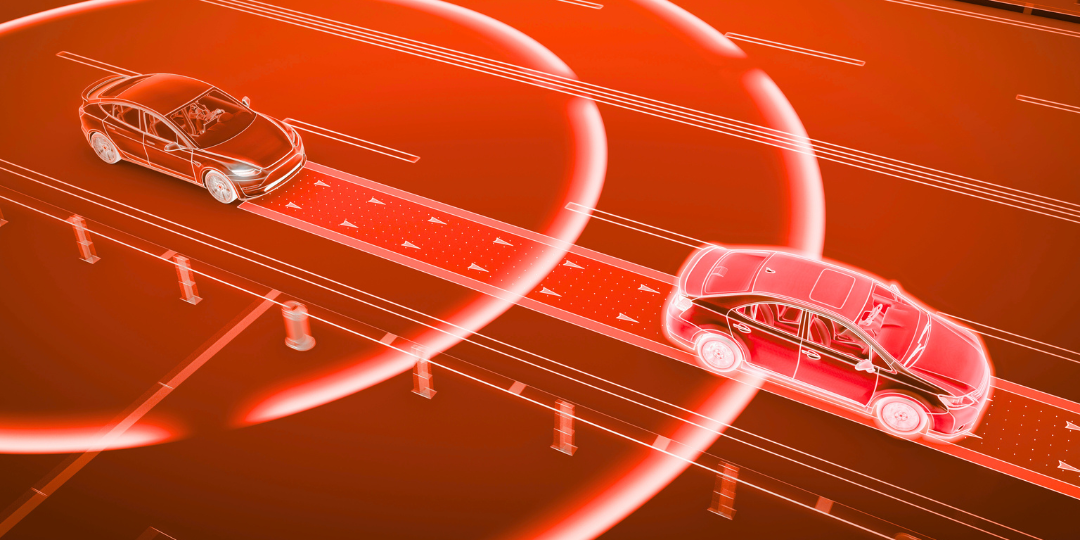
2. Autonomous Driving Technology
Self-driving technology is built on AI algorithms that process massive amounts of data from sensors and mapping systems. Companies like Tesla, Waymo, and Mercedes-Benz are investing heavily in developing higher levels of automation.
AI enables vehicles to interpret traffic signals, recognize road signs, predict the behavior of other drivers, and navigate complex urban environments. Even if full autonomy is not yet common everywhere, semi-autonomous systems are becoming more available in everyday cars.
3. Predictive Maintenance
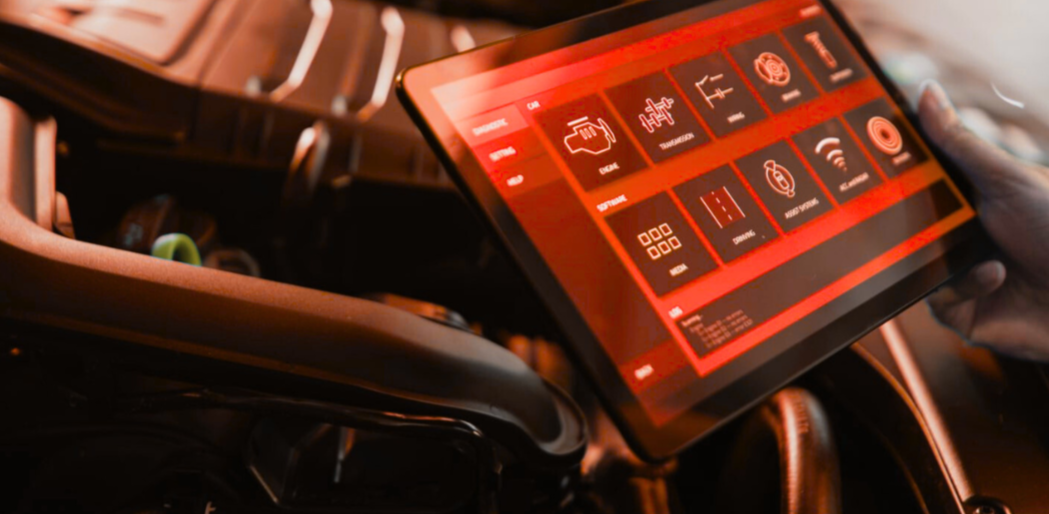
AI can monitor engine performance, battery health, tire pressure, and braking systems in real time. Instead of waiting for a breakdown, the system detects patterns that indicate potential failure and alerts the driver early.
This reduces unexpected repairs, lowers long-term maintenance costs, and extends the vehicle’s lifespan. For example, AI can analyze driving habits and suggest optimal service intervals based on actual usage rather than fixed schedules.
4. Smart Infotainment and Voice Assistants
Modern infotainment systems use AI to learn driver preferences. The system can adjust seat positions, climate settings, and music choices automatically.
Voice assistants powered by AI allow drivers to control navigation, make calls, and adjust settings without taking their hands off the steering wheel. Over time, these systems become more accurate by adapting to speech patterns and behavior.

5. Enhanced Safety Through Data Analysis
AI continuously collects and analyzes driving data. By studying patterns across millions of vehicles, manufacturers can improve vehicle design and software updates.
Over-the-air updates allow companies to fix software issues, improve performance, and even add new features without requiring a workshop visit. This keeps vehicles safer and more up to date.

6. Smarter Traffic and Navigation Systems
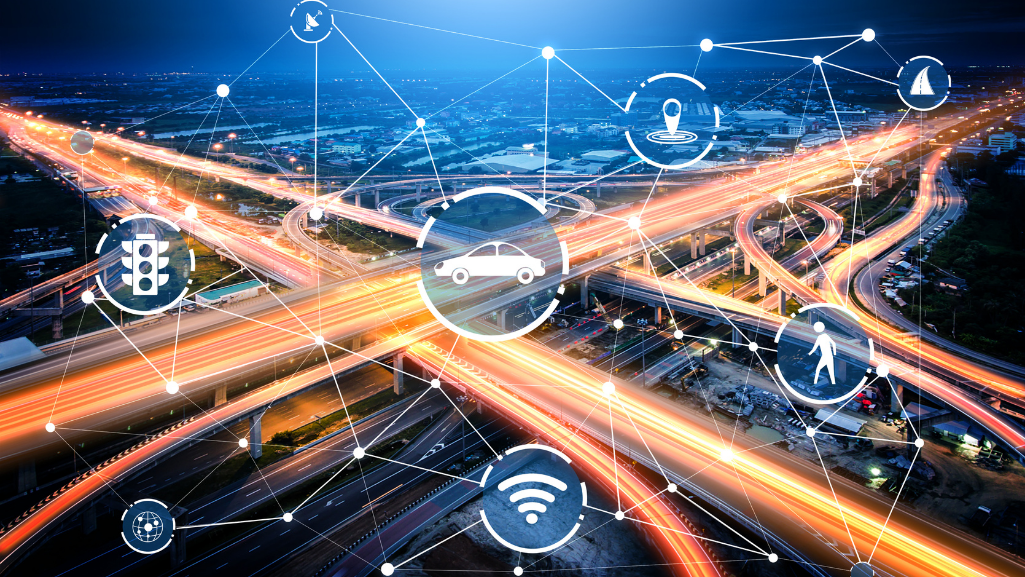
AI-based navigation systems analyze live traffic data to suggest faster routes and avoid congestion. Some systems communicate with traffic infrastructure to optimize fuel efficiency and reduce travel time.
As smart cities expand, AI will play a larger role in connecting vehicles with traffic lights, road sensors, and other vehicles to improve overall traffic flow.
What This Means for Drivers
AI is transforming cars from purely mechanical machines into intelligent systems. For drivers, this means safer journeys, lower maintenance risks, improved comfort, and increasingly automated driving support.
However, it also means drivers must understand system limitations, keep software updated, and remain attentive behind the wheel. AI assists the driver—it does not eliminate responsibility.
Recent Articles
Most Viewed
-thumb_webp.webp)
-thumb_webp.webp)
Advice


Related Articles
-thumb_webp.webp)

-thumb_webp.webp)
-thumb_webp.webp)
-thumb_webp.webp)