
 Login / Register


News & Reviews
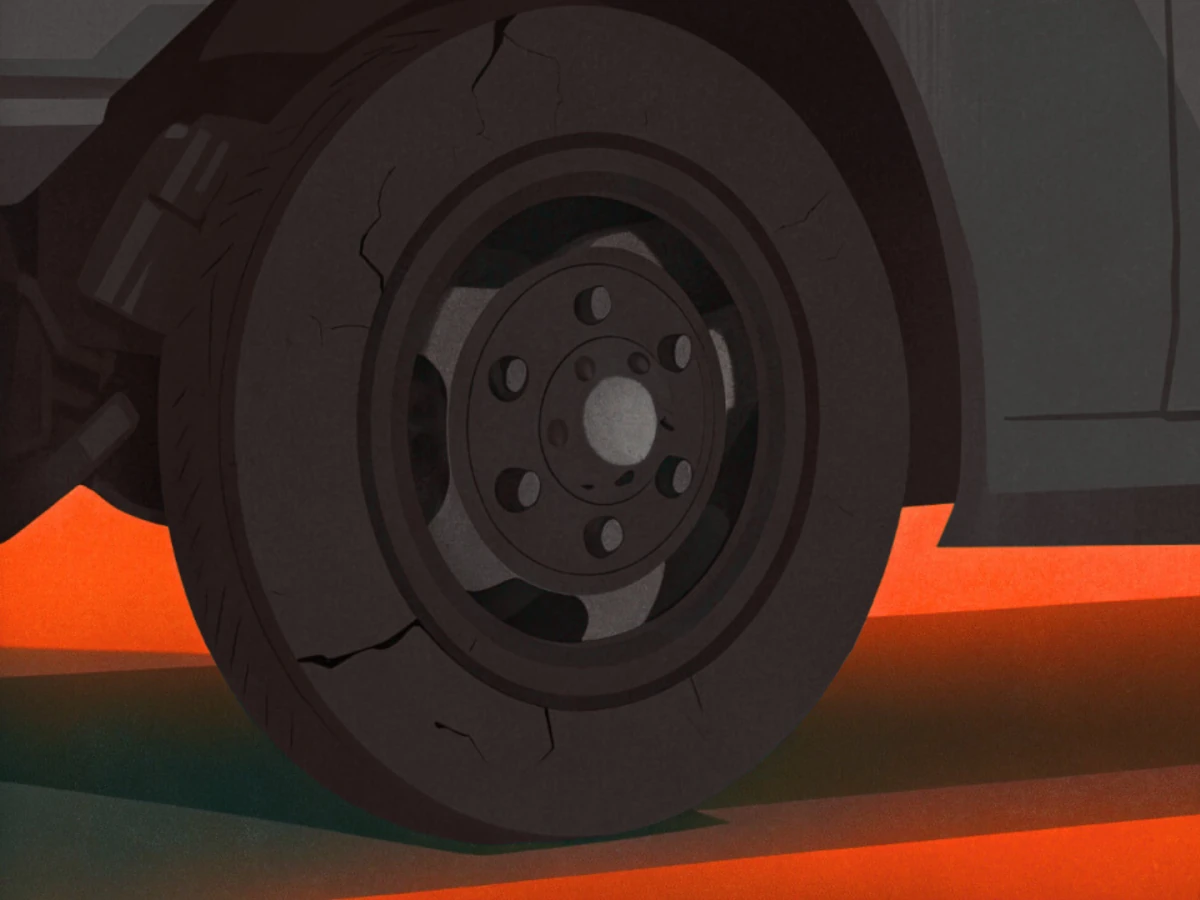
Signs Your Brake Pads Need Replacement
16 Feb 2026
Your braking system is your vehicle’s primary safety feature. Brake pads generate the friction required to slow and stop your car by pressing against the brake rotors. As they wear down over time, braking efficiency decreases and the risk of damage to other components increases.
Below are the key signs that indicate your brake pads need replacement.
1. Squealing or Screeching When Braking
A high-pitched squeal when you apply the brakes is one of the earliest warning signs.
Most brake pads are designed with a built-in metal wear indicator. When the friction material becomes thin, this indicator contacts the rotor and produces a sharp sound. This is a deliberate alert that the pads are nearing the end of their lifespan.
2. Grinding Noise
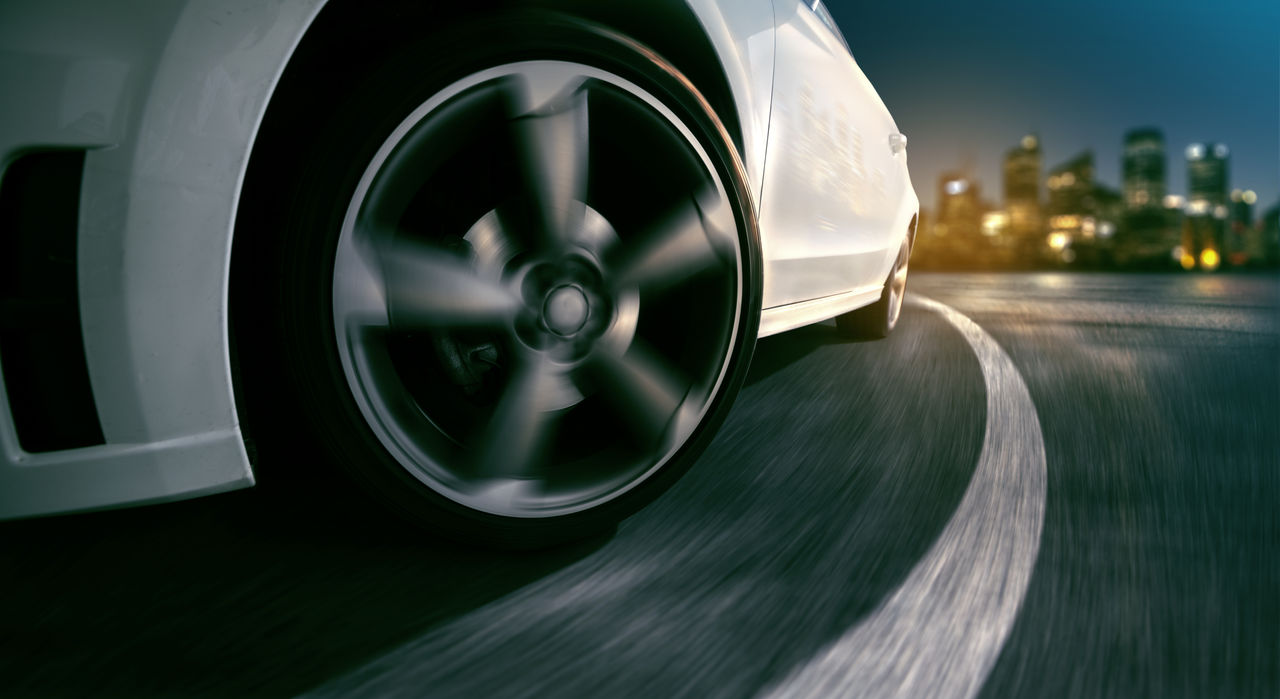
A grinding sound typically means the brake pad material has completely worn away.
At this point, metal backing plates are pressing directly against the rotor. This not only reduces braking performance but can severely damage the rotors, leading to expensive repairs.
3. Reduced Braking Performance
If your vehicle takes longer to stop or the brake pedal feels less responsive than usual, worn brake pads may be the cause.
You may notice:
- Increased stopping distance
- Needing to press harder on the brake pedal
- Slower response during sudden braking
These are clear signs that the pads are thin and losing effectiveness.
4. Vibration or Pulsation in the Brake Pedal
Feeling vibration or pulsation in the brake pedal while braking may indicate uneven pad wear or rotor damage caused by prolonged use of worn pads.
This can compromise braking stability, especially at higher speeds.
5. Brake Warning Light
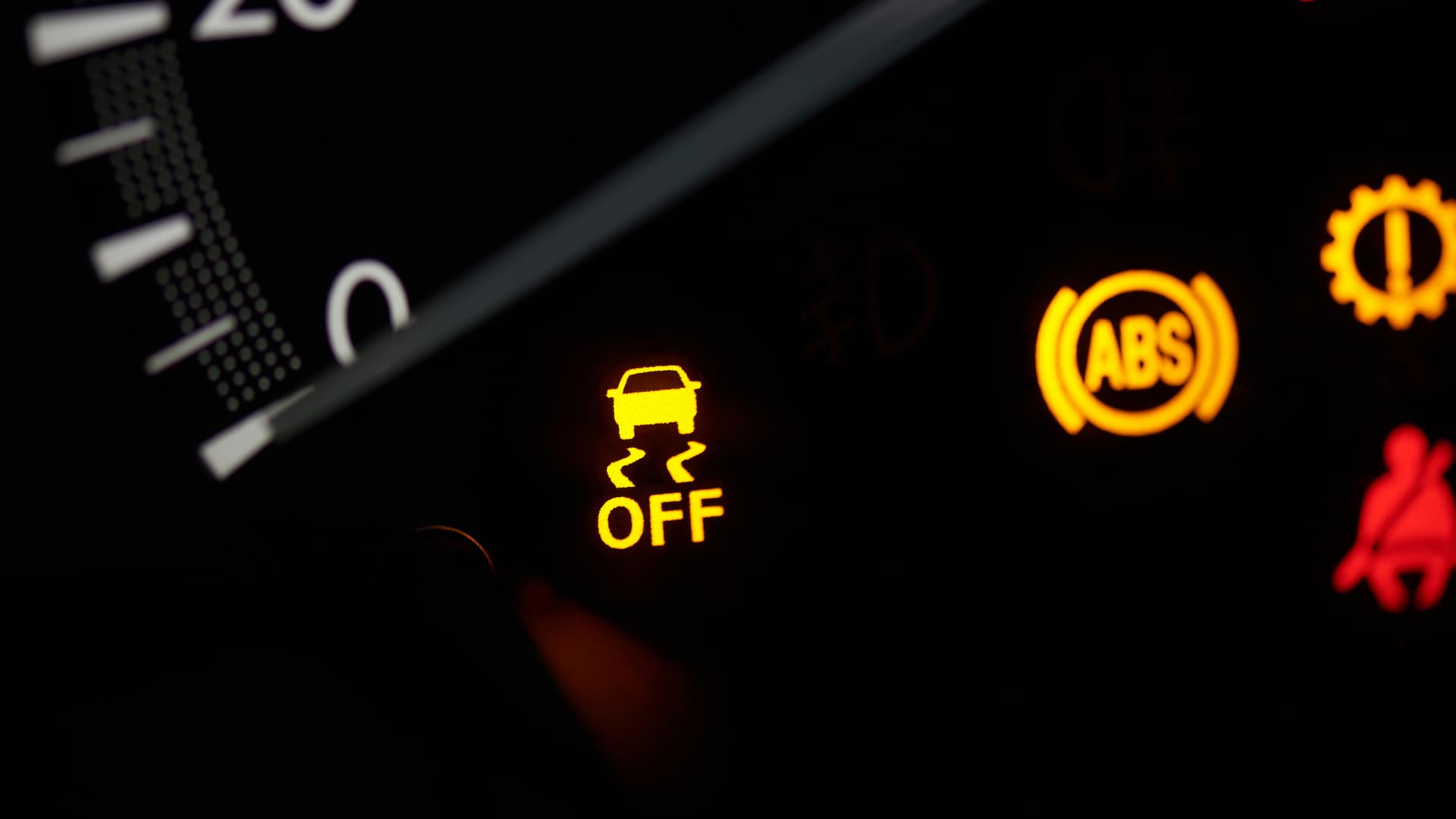
Some vehicles are equipped with electronic brake pad wear sensors. If the brake warning light appears on your dashboard, it may signal that the pads have reached their wear limit.
Dashboard alerts related to the braking system should always be taken seriously.
6. Visibly Thin Brake Pads
You can often check brake pad thickness by looking through the wheel spokes.
- Healthy brake pads: more than 6 mm thick
- Replacement recommended: around 3 mm or less
Pads below the safe thickness limit should be replaced immediately.
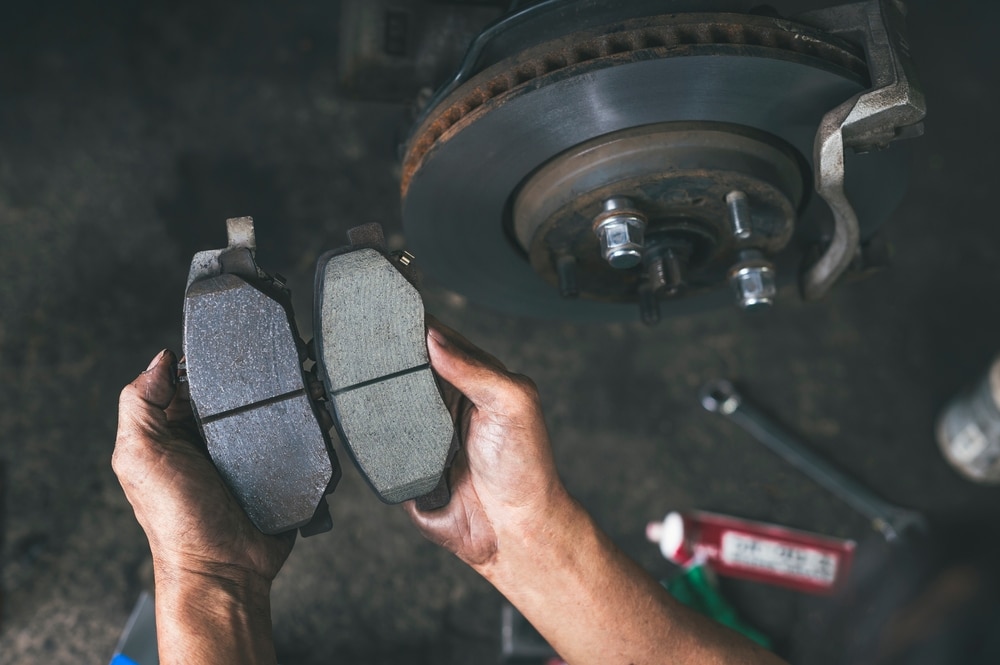
Typical Brake Pad Lifespan
Brake pad longevity depends on:
- Driving style
- City versus highway use
- Vehicle weight
- Brake pad material quality
On average, brake pads last between 30,000 and 70,000 km. Frequent heavy braking shortens this interval.
Why Ignoring These Signs Is Risky
Continuing to drive with worn brake pads can:
- Damage brake rotors
- Increase stopping distance
- Reduce overall safety
- Significantly increase repair costs
Replacing brake pads early protects the entire braking system and prevents more expensive repairs later.
Recent Articles
Most Viewed
-thumb_webp.webp)

-thumb_webp.webp)
Advice


Related Articles
-thumb_webp.webp)

-thumb_webp.webp)
-thumb_webp.webp)
-thumb_webp.webp)
-thumb_webp.webp)