
 Login / Register


News & Reviews
-thumb_webp.webp)
Car Care Tips for Qatar Heat
18 Mar 2026
Desert climates place continuous stress on every part of a vehicle. In Qatar, extreme heat, dust, and intense sunlight accelerate wear on engines, tires, and interiors. Consistent maintenance prevents breakdowns and extends vehicle life.
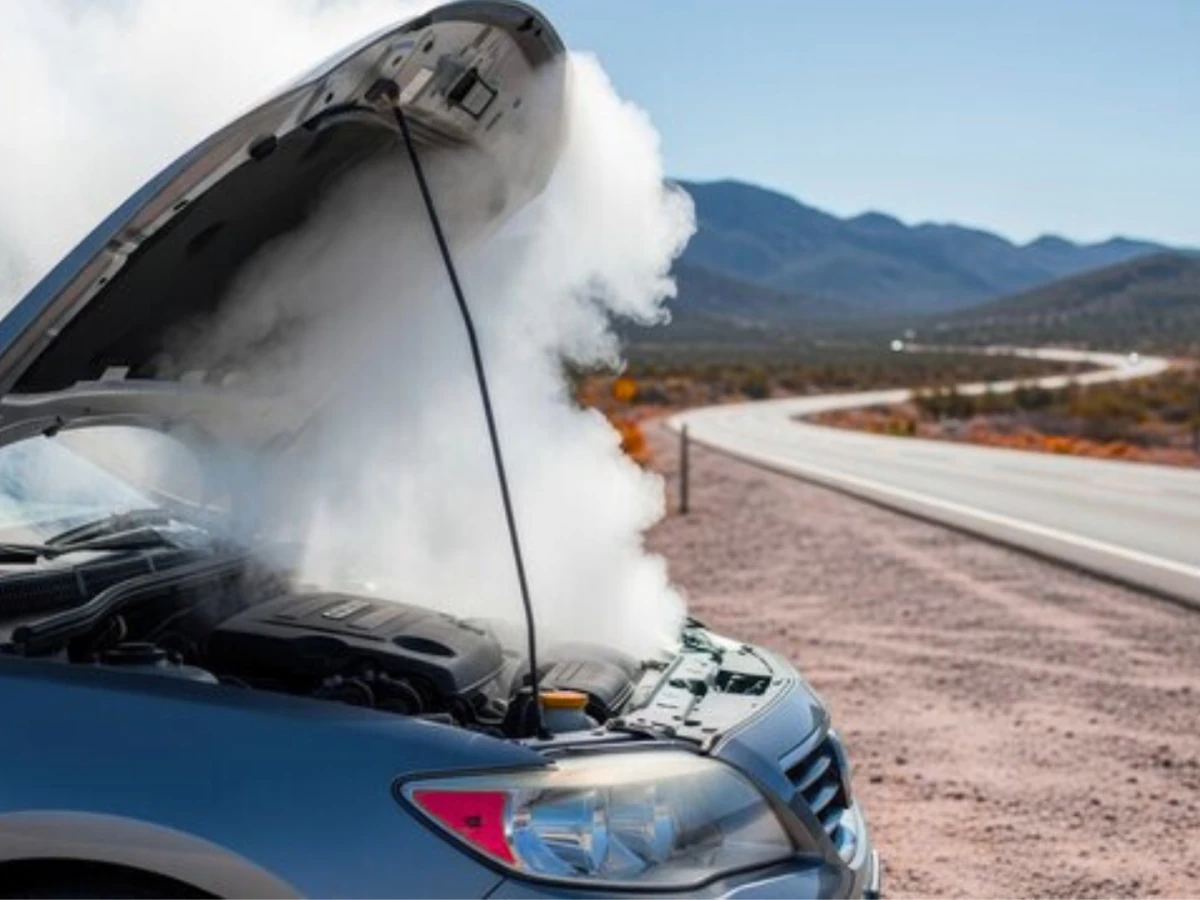
1. Monitor and Maintain Cooling System Efficiency
Check coolant levels only when the engine is completely cool. Ensure the fluid sits within the recommended range and use the correct coolant type. Inspect the radiator and hoses for leaks or blockages caused by dust buildup. Flush and replace coolant periodically to prevent overheating.
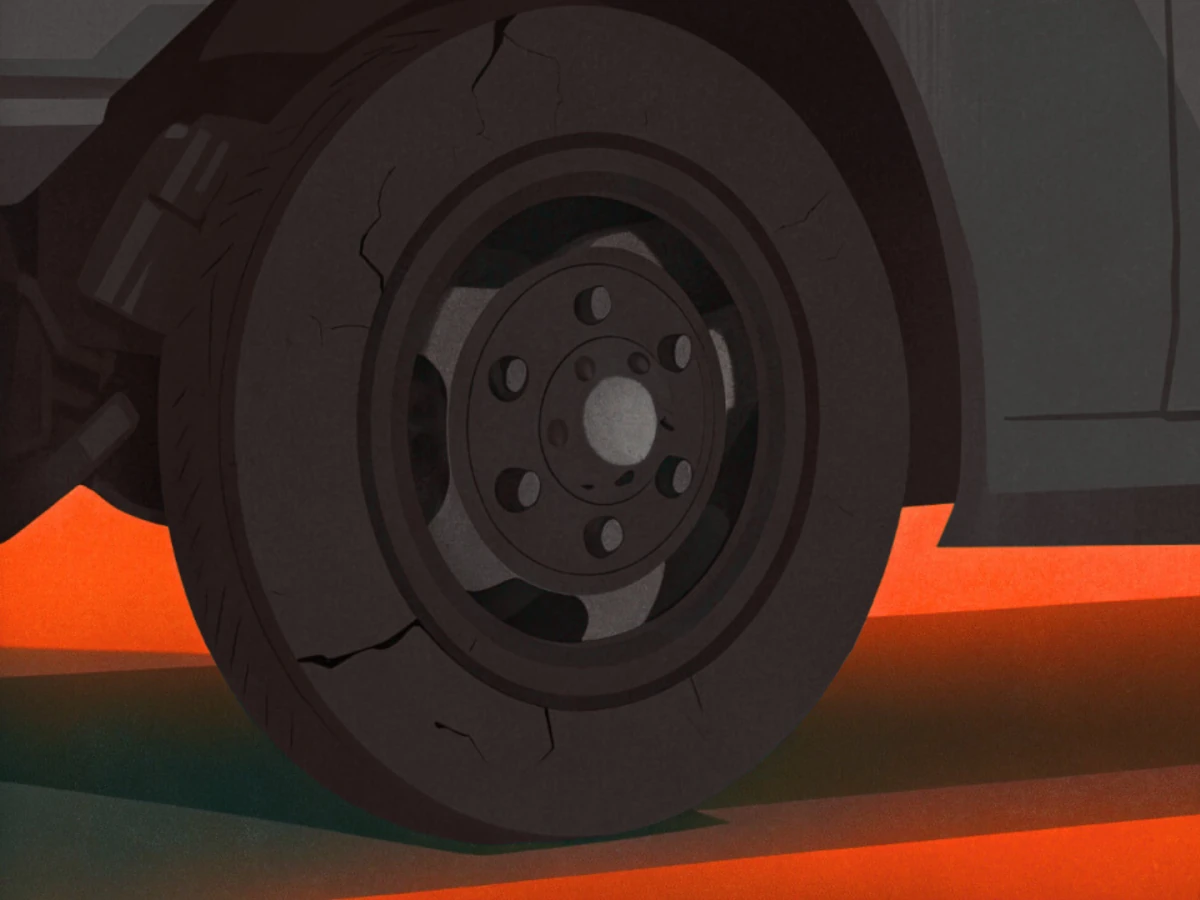
2. Keep Tires in Optimal Condition
Check tire pressure frequently, ideally in the morning before driving. Heat causes air expansion, increasing pressure beyond safe levels. Follow manufacturer recommendations and inspect tires for cracks or uneven wear caused by hot asphalt. Replace worn tires immediately.
3. Protect and Test the Battery Regularly
High temperatures accelerate chemical reactions inside the battery, reducing lifespan. Clean corrosion from terminals and ensure a tight connection. Test the battery output periodically and replace it if performance weakens. Avoid prolonged exposure to direct sunlight.
4. Use Heat-Resistant Engine Oil
Engine oil degrades faster in extreme temperatures. Check oil levels regularly and ensure it remains clean and within range. Use oil grades suited for high-heat environments and shorten oil change intervals if driving conditions are severe.
5. Maintain Air Conditioning Performance
A functional AC system is essential in Qatar. Run the system at full capacity and confirm consistent cooling. Replace the cabin air filter to prevent airflow restriction from dust. If cooling efficiency drops, inspect refrigerant levels and system components.
6. Shield the Interior from Sun Damage
Constant sun exposure fades and cracks interior materials. Use windshield sunshades and UV-protective tinting where permitted. Apply protective treatments to leather, plastic, and dashboard surfaces to maintain durability and appearance.
7. Wash Away Sand and Dust Frequently
Sand acts as an abrasive layer on paint and mechanical parts. Wash the vehicle regularly to remove buildup, especially after dusty conditions. Apply wax coatings to create a protective barrier against UV rays and fine particles.
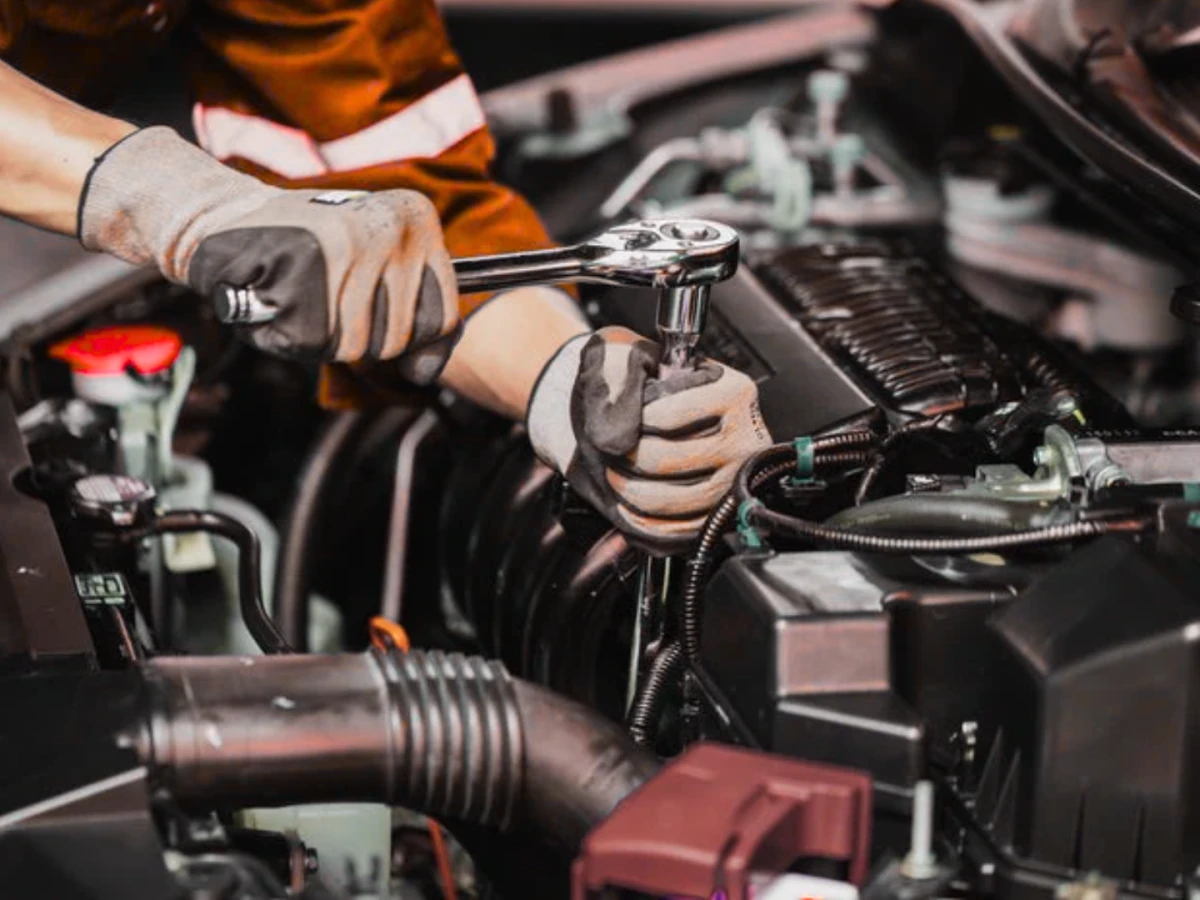
8. Inspect Belts, Filters, and Air Intake Systems
Dust accumulation restricts airflow and affects engine performance. Check and replace air filters more frequently in desert environments. Inspect belts for wear and ensure the air intake system remains clean and unobstructed.
9. Park Strategically to Reduce Heat Exposure
Whenever possible, park in shaded or covered areas. Limiting direct sunlight reduces internal temperatures and protects sensitive components. If shade is unavailable, position the vehicle to minimize sun exposure and slightly ventilate the cabin.
10. Prepare for Emergency Situations
Carry essential supplies including water, coolant, a tire repair kit, jumper cables, and basic tools. Desert conditions increase the risk of breakdowns, making preparedness critical for safety and quick recovery.
Recent Articles
Most Viewed
-thumb_webp.webp)
-thumb_webp.webp)
Advice


Related Articles

-thumb_webp.webp)
-thumb_webp.webp)