Login / Register


News & Reviews
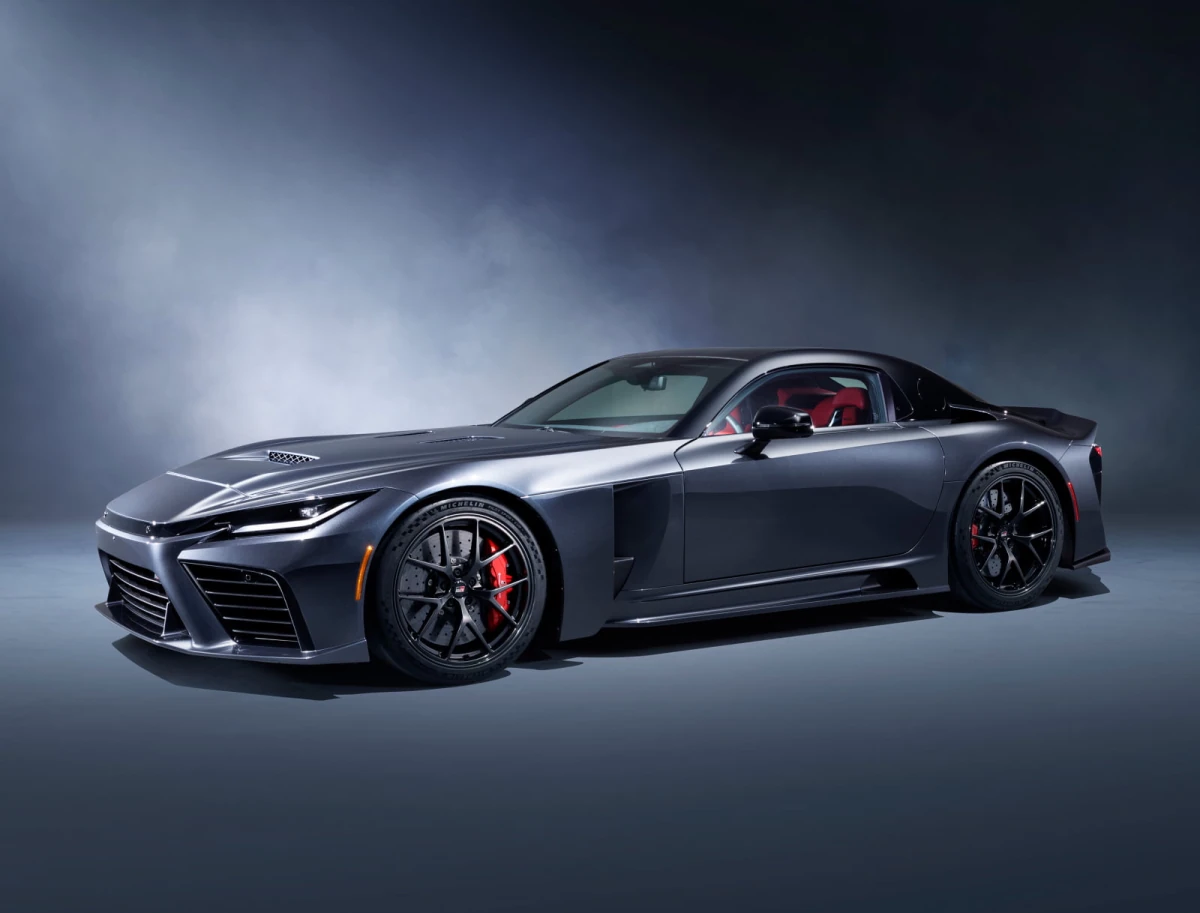
Toyota GR GT - the LFA successor revealed
03 Dec 2025
Toyota GR GT: From “No More Boring Cars” to a 199mph V8 Flagship
Toyota’s new GR GT isn’t just another fast coupe – it’s the physical result of a decades-long chip on Toyota’s shoulder.
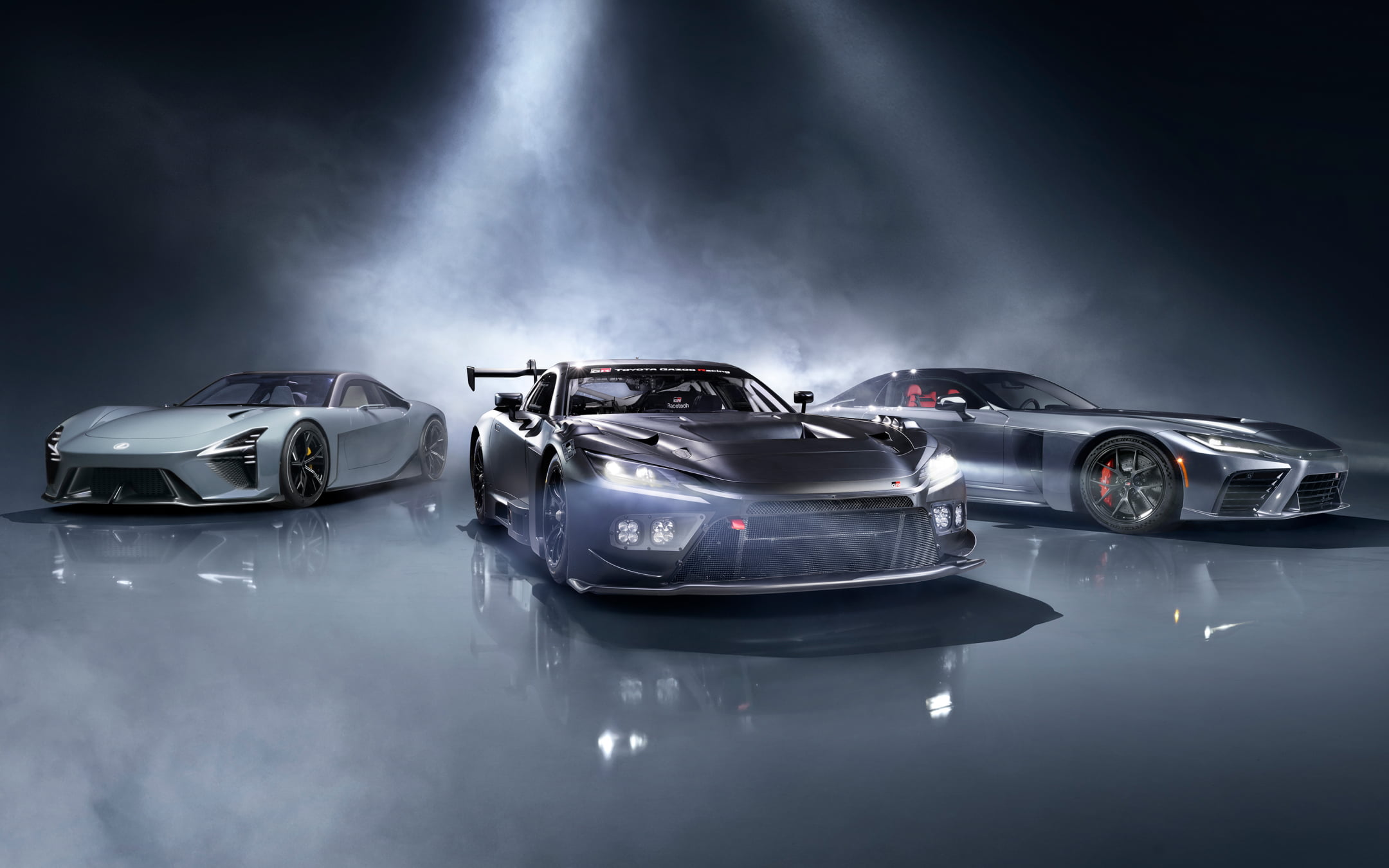
Revealed alongside its GR GT3 race-car sibling and the Lexus LFA Concept at the Higashi-Fuji plant in eastern Japan, the GR GT is a front-engined, rear-drive V8 hybrid supercar aimed squarely at the likes of the Mercedes-AMG GT. Toyota targets more than 650PS (around 641bhp), over 850Nm of torque and a top speed in the region of 199mph and beyond.
Under the skin it’s a thoroughbred: an all-aluminium structure with carbon reinforcements, a new 4.0-litre twin-turbo V8 hybrid powertrain, and race-inspired aero and suspension – all developed by Toyota Gazoo Racing as a “racing machine built for the road.”
Higashi-Fuji and Woven City: The Setting Matters
At the world premiere, Toyota hosted media at the Higashi-Fuji plant – a site with serious history. Once a press shop, it’s where Shoichiro Toyoda and Kenya Nakamura built the very first Toyota Century back in 1967. That same building is now reborn as the “Inventor’s Garage” of Woven City, a kind of experimental lab for Toyota’s future.
Opening the presentation, Lexus/Toyota chief branding officer Simon Humphries described the event as not just a celebration of invention, but a celebration of the car itself: the excitement, the thrill, the love of speed that everyone in the room – and watching online – shares.
That emotional framing is important, because the GR GT isn’t being pitched as a cold, technical object. It’s meant to show how far Toyota has come since a particularly painful moment.
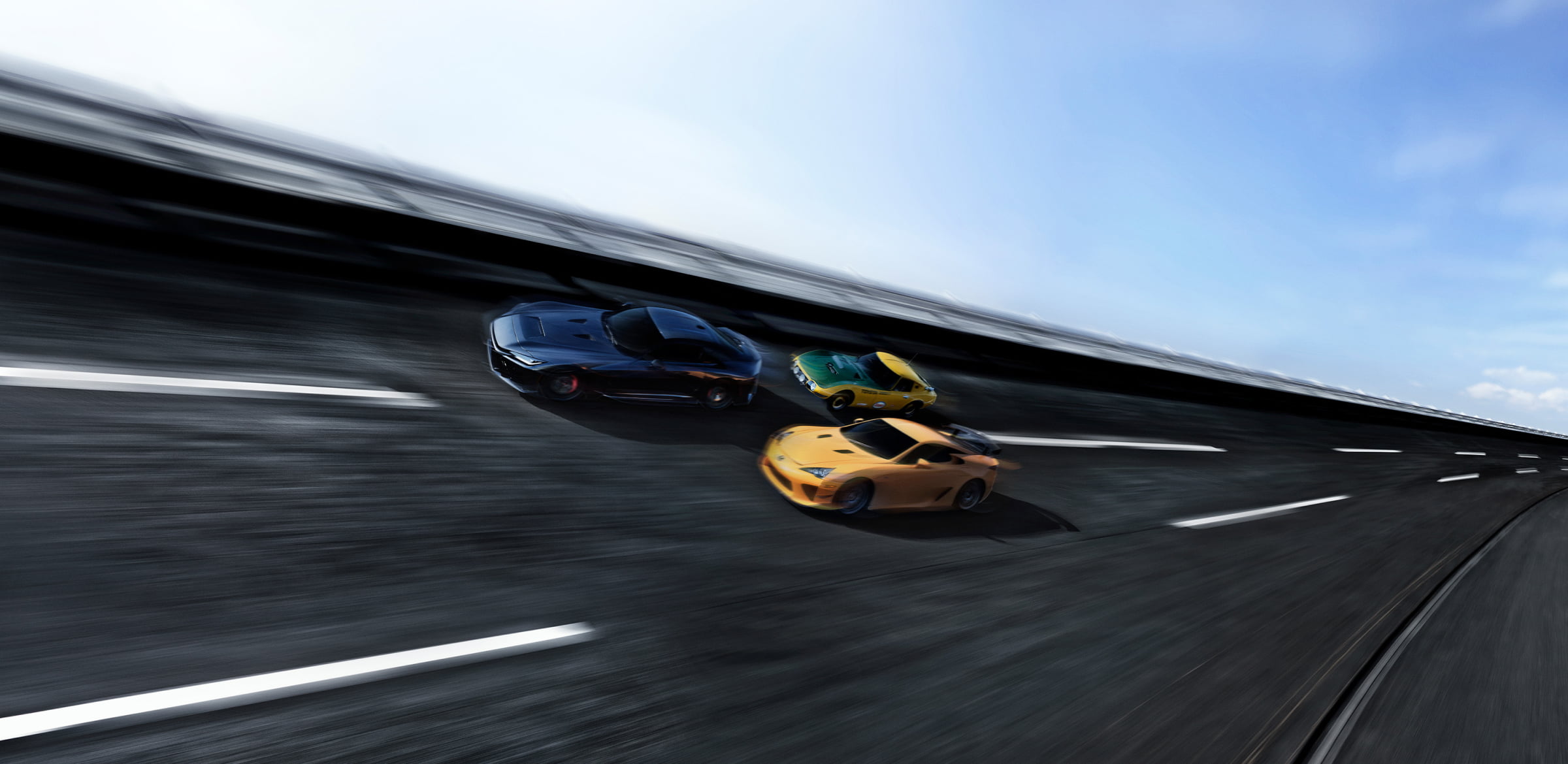
From “Lexus Is Boring” to “No More Boring Cars”
Humphries’ speech circles around a very Japanese word: kuyashisa – a mix of humiliation, frustration and burning determination to do better.
He tells a story from 14 years ago at Pebble Beach, when Akio Toyoda was bluntly told: “Lexus is boring.” For the designers and engineers who had poured themselves into those cars, that was brutal. But it became a turning point. Out of that sting, Akio made a promise: no more boring cars.
Fast-forward to Pebble Beach this year. When Lexus returned with its new electric sports concept, the brief from Akio on how to present it was simple: “Just put it out there and let it speak for itself.” No big explanation, no defensive speeches – just confidence in the car. This time, Humphries says, not a single person called Lexus boring.
That same philosophy – innovative, adventurous, original, focused on deep sensory immersion – underpins Toyota’s three new flagships:
-
Toyota GR GT (road car)
-
GR GT3 (full FIA GT3 racer)
-
Lexus LFA Concept (electric successor concept)
Together they form the “sports car apex” for both GR and Lexus, all on a common race-bred platform.
Second Tale of Humiliation: Nürburgring and the Birth of Gazoo Racing
Humiliation number two is about the Nürburgring.
Humphries recalls Akio’s experience at the ‘Ring 20 years ago: Toyota had no modern sports car, no factory GT racer. While other manufacturers pounded round in camouflaged development prototypes, using the race as a rolling lab for tech and people, Toyota wasn’t even trying to build a car that could compete. Akio and legendary test driver Naruse ended up racing an old Supra under the private “Gazoo Racing” banner, with Akio using the alias “Morizo.”
Every time they pulled over for yet another prototype from a rival brand, it felt like those cars were silently saying, “You guys at Toyota could never build something like this.” That sting is what ultimately birthed Toyota Gazoo Racing – and, by extension, cars like the GR Yaris, GR Supra, GR Corolla… and now the GR GT.
Akio later described this pain as the “secret sauce” of car-making that Naruse passed on to him – and which he now wants to pass to a new generation of engineers through cars like GR GT and GR GT3.
Toyota’s “Shikinen Sengu”: Passing on the Craft
Toyota frames the GR GT within a broader idea it calls “Toyota’s Shikinen Sengu” – borrowed from a Shinto ritual where a shrine is periodically rebuilt from scratch, not to change it, but to keep skills and traditions alive.
For the GR GT project, that meant:
-
Involving veterans who worked on the Lexus LFA to mentor the younger team.
-
Treating GR GT, GR GT3 and the Lexus LFA Concept as a single, evolving family, passing “essential craft” – things like chassis tuning, aero, sound and driver feel – from one generation to the next.
This is why Toyota explicitly links the GR GT to the 2000GT and LFA: three flagship sports cars, each representing a new chapter but built on shared know-how.
Design & Packaging: Low, Wide, and Full of Drama
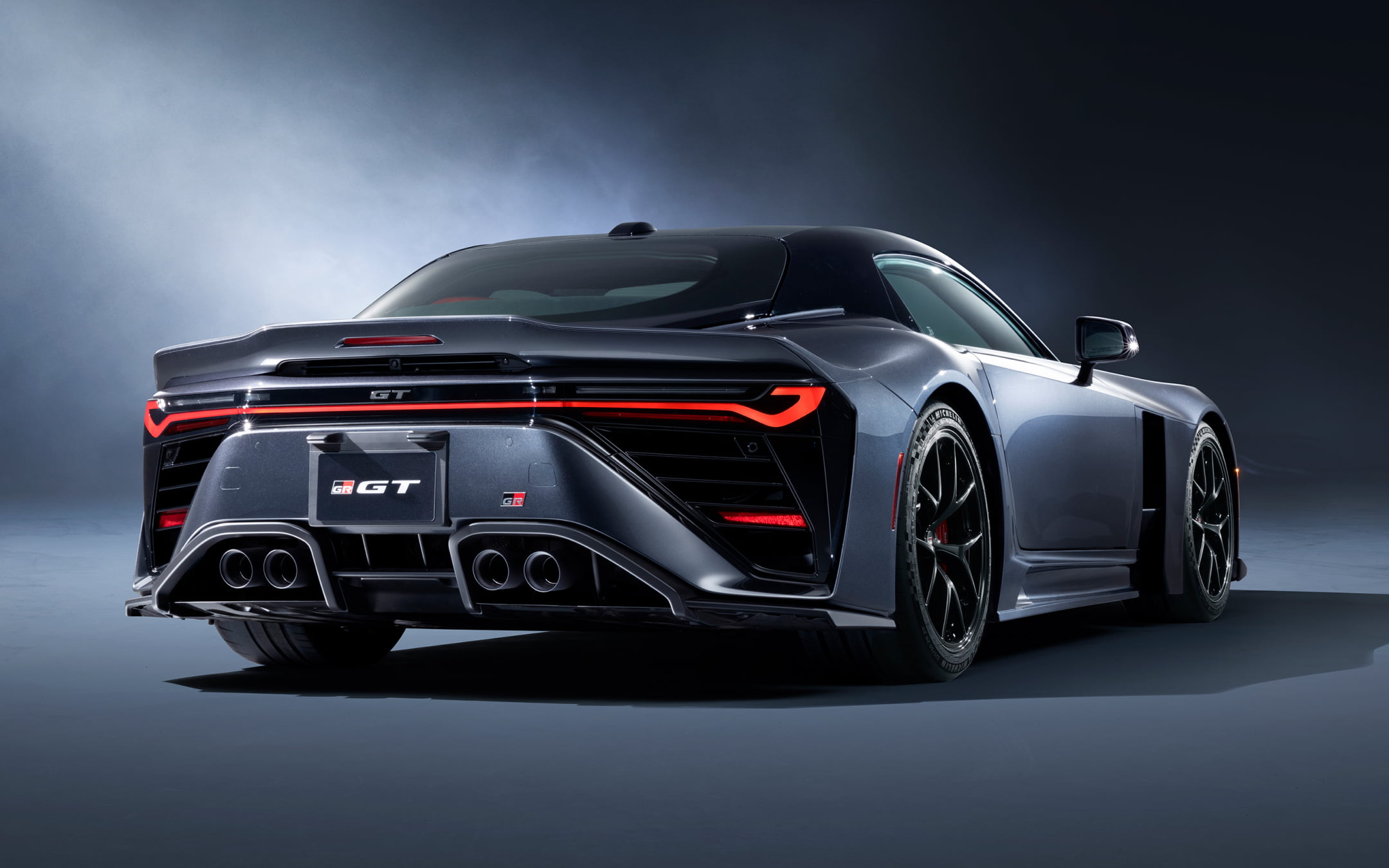
Top Gear describes the GR GT as a classic long-bonnet, cab-rear GT – think AMG GT or Viper in basic layout – but given a distinctly Japanese, modern twist. It’s about 4,820mm long, close to two metres wide and just 1,195mm tall. In person it looks very low, and that height figure puts it in the same arena Humphries was talking about when he said getting a sports car under 1,200mm is a huge challenge.
Key design and structural details:
-
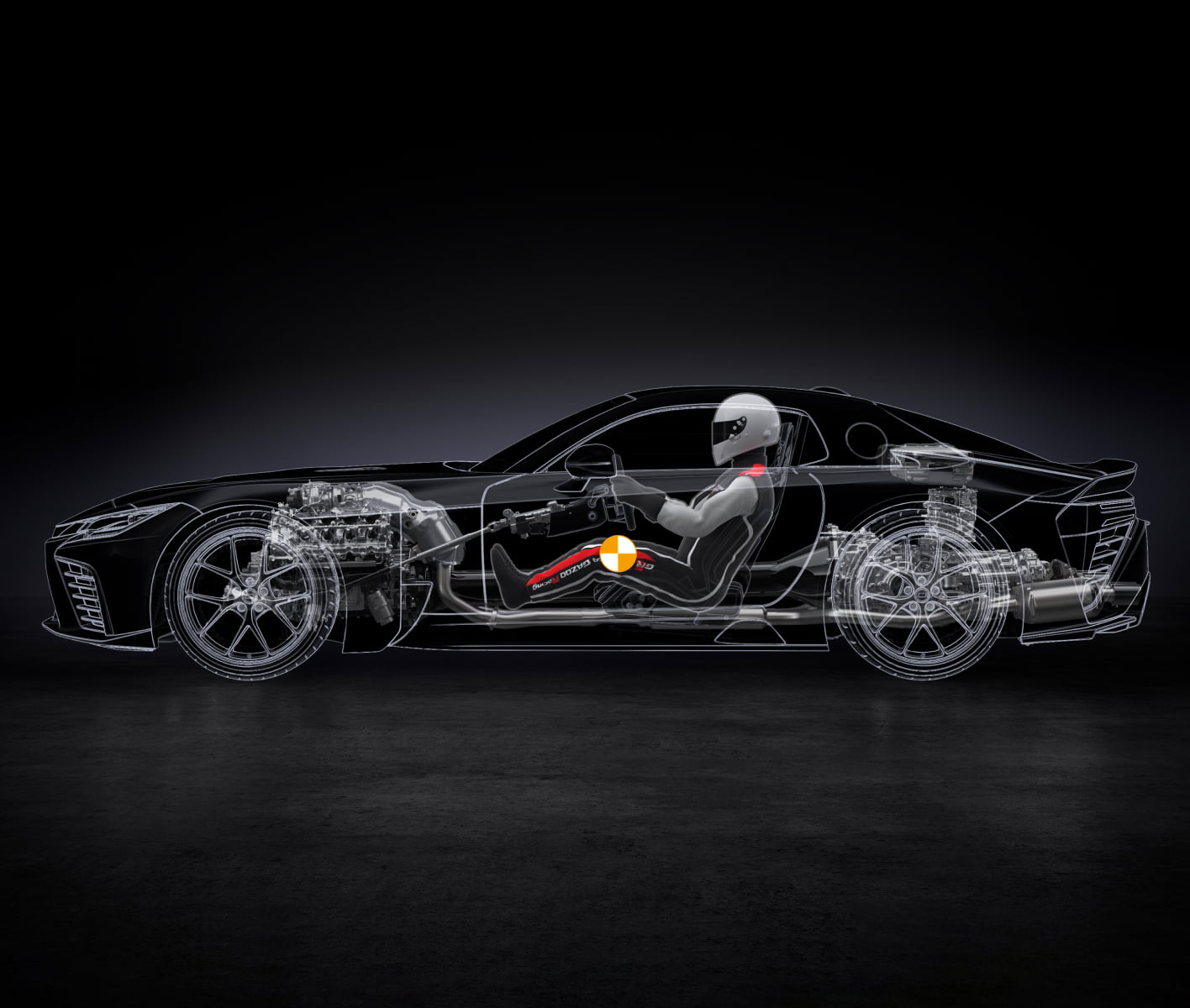
Front-mid engine, rear-drive (FR) layout with the engine pushed far back in the chassis.
-
Relentless focus on centre of gravity – the driver and the car’s mass are brought as close together vertically as possible to keep the car stable and communicative at the limit.
-
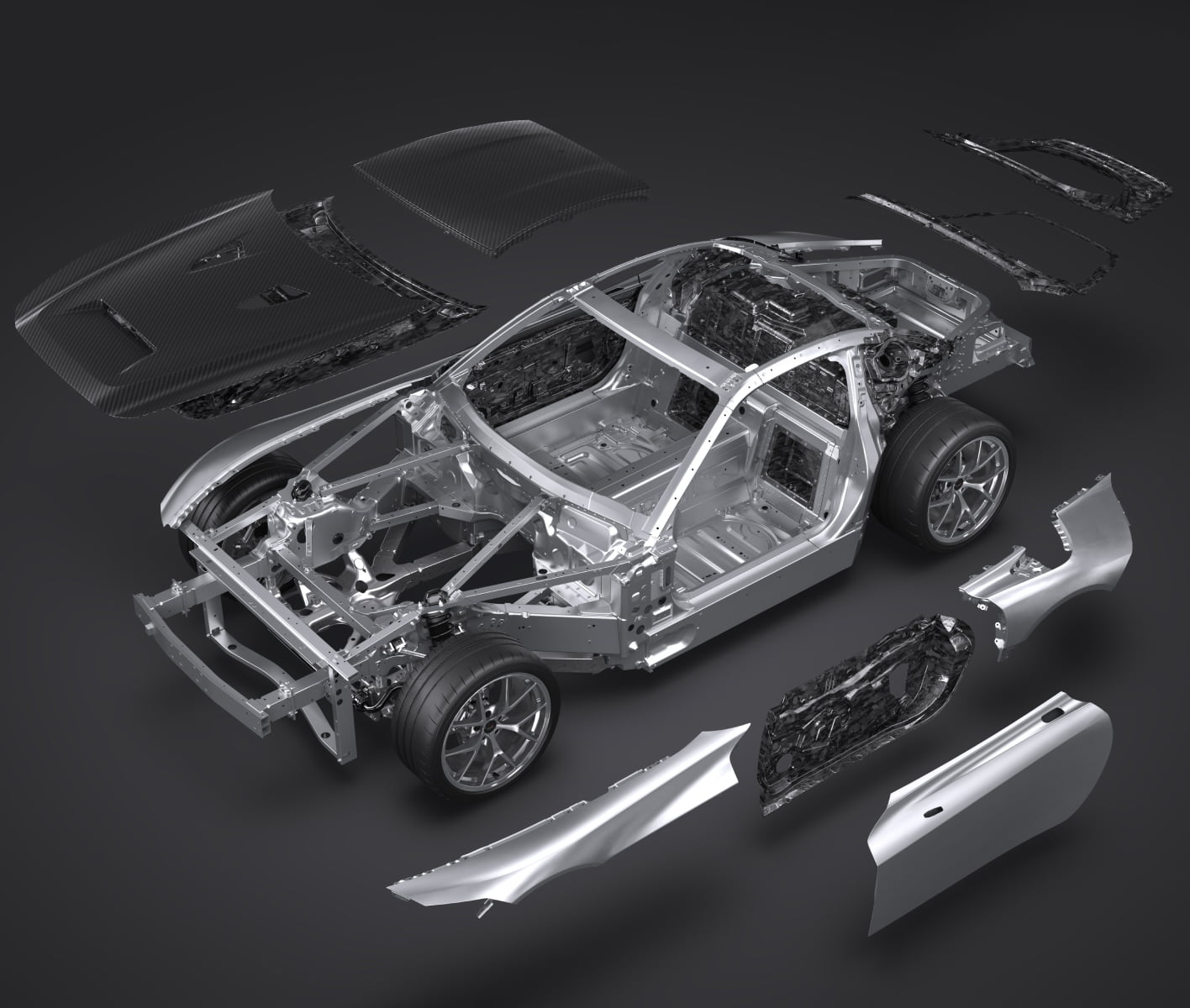
Toyota’s first all-aluminium frame, reinforced with carbon in the hood, roof and other strategic areas, plus carbonfibre-reinforced plastic for outer panels like the bonnet, roof, doors and boot lid.
-
Target weight: 1,750kg or less, with a 45:55 front/rear weight split.
Aerodynamically, Toyota flipped its usual process. Instead of sketching a pretty body and then forcing the aero to fit, GR engineers started from an “ideal” airflow and cooling package, then wrapped the bodywork around that.
That’s why you see:
-
Huge intakes and cleverly shaped ducts in the nose.
-
Triangular NACA-style vents on the bonnet channeling air up towards the windscreen.
-
Big outlets behind the front wheels for brake cooling and to calm wheelarch turbulence.
-
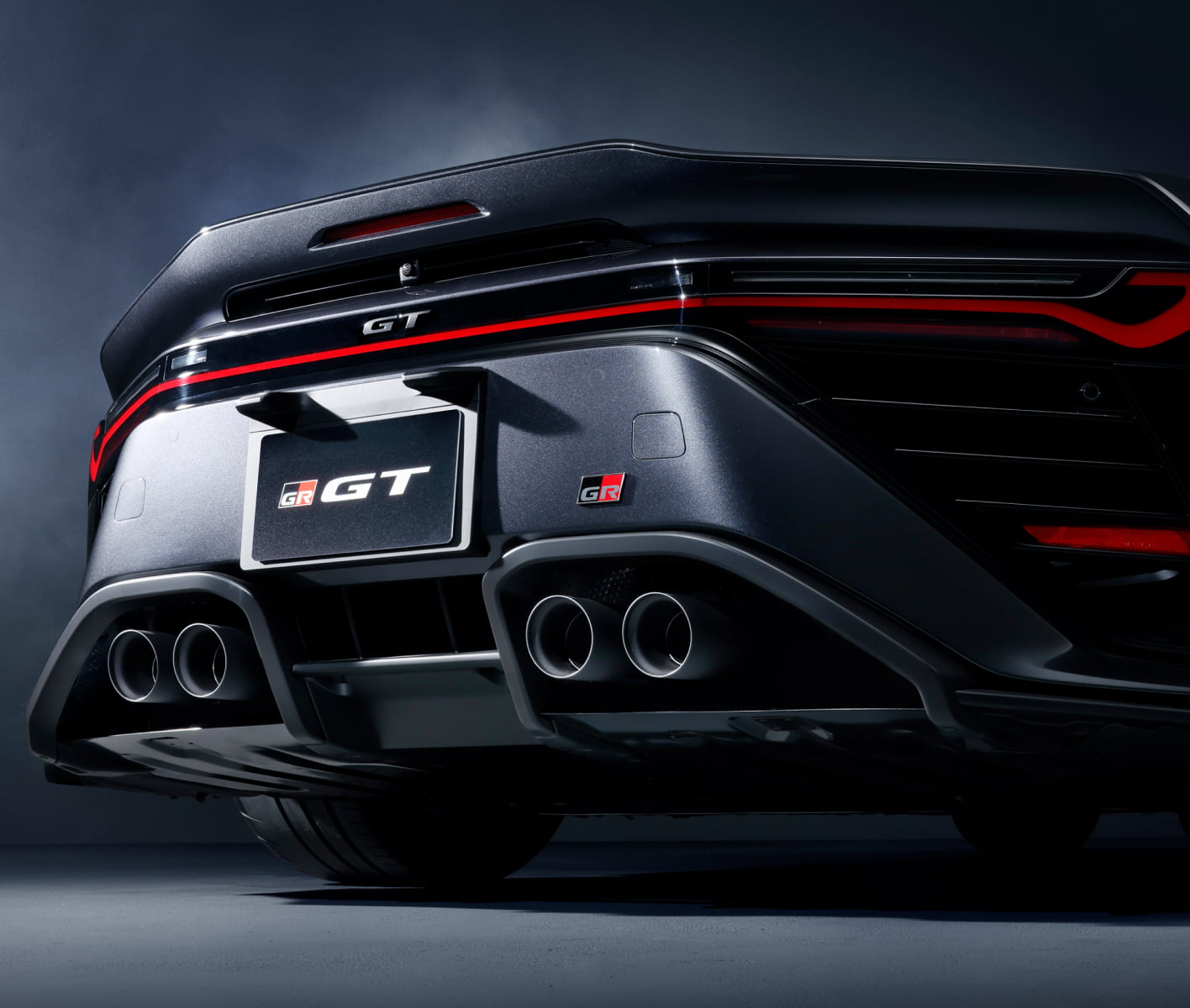
A very short rear overhang with a sculpted ducktail spoiler and quad exhausts in their own pods.
It looks aggressive and very Japanese – more angular and technical than something like an AMG GT – but every flourish earns its place.
V8 Hybrid Powertrain: Built for Road and Track
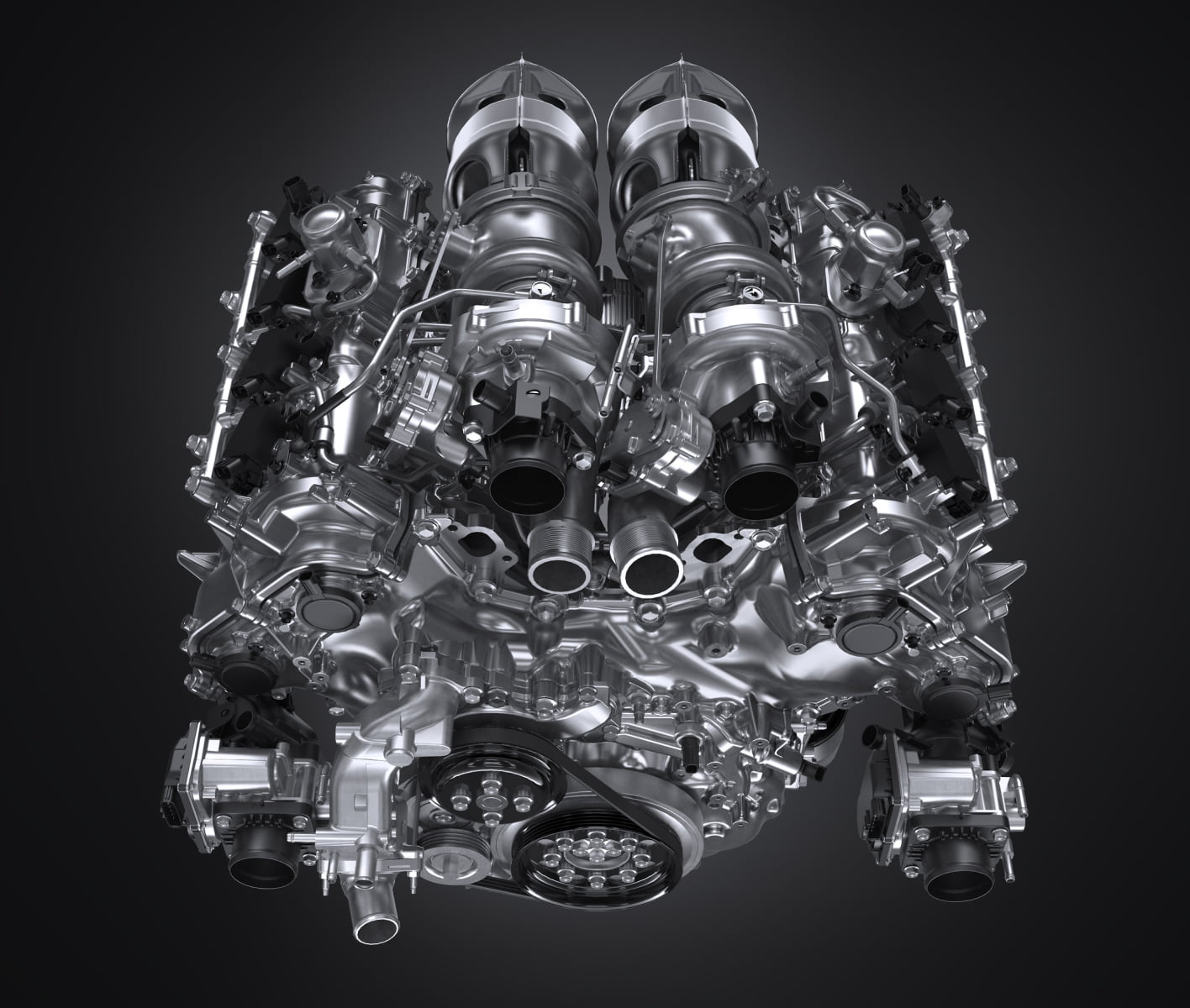
Under that endless bonnet sits a newly developed 4.0-litre twin-turbo V8, with its turbos mounted in a “hot-vee” between the cylinder banks. It’s paired with a single electric motor integrated into an all-new eight-speed automatic housed in a rear transaxle. Instead of a normal torque converter there’s a wet-start clutch to sharpen response, and power goes to the rear wheels through a mechanical limited-slip differential.
Toyota Gazoo Racing quotes development targets of:
-
Over 650PS (around 641bhp)
-
Over 850Nm of torque
Top Gear’s numbers align with that, listing 641bhp and 627lb ft with the suggestion that Toyota has left headroom (“or greater”) baked in. The same goes for the weight figure (“1,750kg or lower”) and the top-speed claim – Toyota talks about 199mph, maybe more, so it’s reasonable to expect a production car that cracks 200mph. Official 0–62mph times aren’t out yet, but sub-4 seconds is a safe assumption.
Suspension is double wishbones with coils all round, and braking is handled by huge Brembo carbon-ceramic discs behind lightweight wheels wrapped in Michelin Pilot Sport Cup 2 tyres – serious, track-day friendly hardware.
“Kaiwa”: The Conversation Between Driver and Car
In his speech, Humphries spends time on something you don’t often hear in spec sheets: kaiwa, the conversation between driver and car. For the GR GT3 race car, he says, the goal was to create a machine that gives you so much feedback and confidence that you can make split-second decisions at the limit and still feel calm.
Sound is part of that conversation – not just the roar when you floor it, but the deep, visceral noises under braking and lift-off, like when you’re hammering down Fuji Speedway’s main straight into the tight first corner and trying to brake as late as you dare.
The GR GT road car is designed to share as much of that DNA as possible:
-
Same basic V8 twin-turbo architecture as the GT3, but with hybrid assist.
-
Developed by a mixed team of production-car test drivers and pro racers working together, rather than in separate silos.
-
Tuned to be wild on a track day but easy to drive around town – the kind of car you can take for a hard stint on circuit, then cruise to a nice restaurant on the way home.
That fits perfectly with the GR GT’s brief as a “circuit-ready, everyday-usable” flagship rather than a fragile, once-a-year hypercar.
Interior: Functional, Not Fluffy
Inside, Top Gear notes that the GR GT is surprisingly restrained for a six-hundred-plus-horsepower flagship. The focus is clearly on the driver:
-
Deep, supportive sports seats
-
A low seating position with a commanding view over that enormous bonnet
-
A digital instrument cluster with big shift lights and clear gear indication
-
A flat-bottom steering wheel with key controls clustered close to hand
-
A tall, chunky transmission tunnel leading to the gear selector
-
A relatively modest central touchscreen – enough tech, but not a rolling lounge
It’s not a luxury GT in the grand-touring, S-Class-on-track sense; it’s closer in spirit to a street-legal race car that just happens to have comfortable seats and decent manners.
GR GT3 and Lexus LFA Concept: The Two Siblings
Parked alongside the GR GT at the premiere were the GR GT3 racer and the Lexus LFA Concept BEV. Together the three show where Toyota thinks sports cars are heading:
-
GR GT3 – FIA GT3 race car with the same core platform, all-aluminium frame, extreme aero and a non-hybrid version of the V8 for competition use.
-
Lexus LFA Concept – an all-electric sports concept focused on “immersive discovery” for the driver, with dramatic proportions and a roofline under 1,200mm, aimed at redefining how an electric sports car feels and sounds.
Humphries explicitly links all three to Akio’s promise of no more boring cars, and to the idea of preserving and evolving that “secret sauce” of car-making for future generations.
What the GR GT Ultimately Represents
Strip away the corporate language and the GR GT is, at its core:
-
A new V8 hybrid supercar in an era when most brands are downsizing or going fully electric.
-
Built on race-first principles but intended for everyday use.
-
The spiritual successor to Toyota’s 2000GT and the Lexus LFA, but accessible to more than a handful of collectors.
It’s also a rolling answer to two old humiliations: being told “Lexus is boring” at Pebble Beach, and watching other manufacturers dominate the Nürburgring while Toyota had nothing comparable. The GR GT, its GT3 twin and the LFA Concept are Toyota’s way of saying:
We heard that. We remembered. And now we’re doing something about it.
Recent Articles
Most Viewed
-thumb_webp.webp)

-thumb_webp.webp)
Advice


Related Articles
-thumb_webp.webp)


-thumb_webp.webp)