
 Login / Register


News & Reviews
.webp)
What to Look for When Inspecting a Used Car in Qatar
28 Jul 2024
Buying a used car in Qatar can be a smart move, especially if you know what to look for. Whether you're upgrading your dune basher, adding a weekend project to the garage, or just want something solid for long-distance drives between Doha and the northern coast, inspecting the vehicle properly before committing is crucial. The climate here isn’t forgiving, and not all sellers are upfront about wear and tear. Here's what to check before you hand over your QAR.
Start with the basics
Before diving into technicals, look at the general condition. Does the body have mismatched panels, ripples, or paint overspray? These are signs of accident repairs. Open and close each door, the trunk, and the hood. If anything feels misaligned or sticks, it might indicate previous damage or frame issues. Also, check underneath for rust, especially near the wheel arches and suspension points. While Qatar's climate is dry, rust can still develop in cars imported from Japan or Europe.
Look closely at the tires. Uneven wear can point to suspension problems or poor alignment. Replacing a full set of tires in Qatar can cost anywhere from QAR 1,500 to QAR 3,000 depending on size and brand. It’s a good bargaining chip if the seller hasn’t bothered.
Desert-specific checks
The heat and sand here take a toll on certain components that might be fine in other countries. Open the hood and inspect rubber hoses and belts. If they’re cracked, dry, or flaking, they’ll need replacing soon. Also, check the radiator for signs of corrosion or leaks. Cars that run hot under the Qatari sun are likely suffering from a worn-out cooling system or a neglected water pump. If you see dried coolant residue near the radiator cap or under the car, take note.
Many Qatari cars spend time in desert conditions, so air filters are another big one. Pull out the engine air filter if you can. If it’s full of sand or badly clogged, the engine’s been breathing dirty air. That means possible long-term wear to internal components. It's also worth checking the cabin filter. If it's full of sand, the A/C system might not be working as efficiently as it should.
Interior tells a story
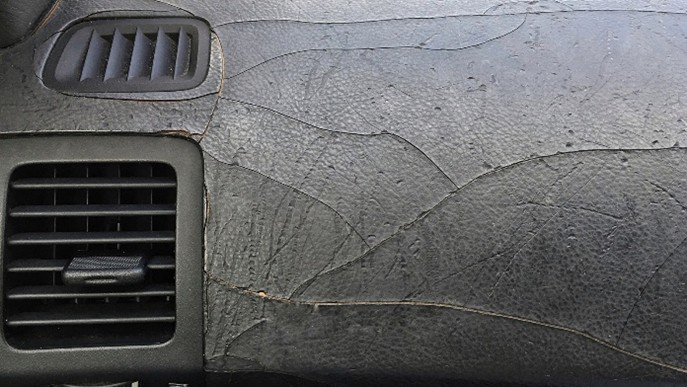
Don’t ignore the cabin. A heavily sun-damaged dashboard or cracked leather suggests the car was often left baking in the sun. That may also mean the plastics and electronics have been under strain for years. Push every button — lights, windows, infotainment system, A/C — and make sure they respond. In particular, test the air conditioning thoroughly. If it takes a while to get cold, or if the airflow is weak, the A/C compressor or condenser might be on its way out. A full A/C service or replacement can easily run QAR 2,000 or more.
Mechanical and underbody
Engine-wise, listen for ticking, knocking, or rattling sounds on startup. Ask for a cold start if possible. A warm engine can hide a lot of issues. Let it idle for a few minutes and observe if it runs smoothly or fluctuates. Then check the exhaust. A puff of white smoke at start-up is fine, but constant smoke — blue, black, or white — means trouble.
Slide under the car (or use your phone's flashlight) to inspect the undercarriage. Look for fluid leaks, cracked bushings, or patched-up parts. Qatar's long highway stretches mean high mileage, so expect wear on suspension parts. If the shocks are original and the odometer reads over 150,000 km, budget around QAR 2,000 to QAR 4,000 for a full replacement depending on the vehicle class.
Electrical and sensors
Modern vehicles rely heavily on electronics. Bring a basic OBD scanner if you have one — it’s worth the QAR 150 investment. Plug it into the car’s OBD port and check for hidden engine or transmission codes. Many used cars have warning lights that have been temporarily cleared but will come back after a few drive cycles. Even something as minor as a faulty O2 sensor can affect fuel economy or cause the car to fail inspection.
For off-roaders and modifiers especially, double-check that aftermarket installations (like lift kits, auxiliary lights, or remapped ECUs) were done professionally. Poor wiring jobs can lead to electrical headaches later.
Service records and import status
Ask for the full service history. If the seller says it was “recently serviced,” get specifics — which fluids, filters, and parts were changed and when. Some sellers in Qatar will show a single stamped page and call it a day. You want proof of regular oil changes (every 5,000 to 10,000 km, depending on the oil type), brake fluid replacement (every 2 years ideally), and transmission services.
Also, check whether the car is GCC spec or imported. GCC-spec vehicles are better suited to this climate. Imports from the US or Europe might lack proper A/C capacity or use parts that wear out faster in the heat. A quick VIN check through online tools can reveal the original market.
Final checks and test drive
Don’t skip the test drive. Drive on both smooth and rough roads. Listen for clunks, squeaks, or vibrations. A slight pull to one side or a steering wheel that doesn’t return to center properly might mean alignment or steering rack issues. On acceleration, feel for hesitation or jerking, especially in automatic transmissions. Slipping gears or harsh downshifts are red flags.
After the drive, pop the hood again and check for new leaks or smells. If possible, bring a trusted mechanic or garage-savvy friend. Sometimes a second set of eyes can catch things you missed.

Be ready to walk away
Finally, if something doesn’t feel right, walk. There are thousands of cars listed for sale in Qatar, and a bad deal can turn into a headache fast. If the seller is pushing you to buy immediately or gets vague about details, trust your gut.
In summary, a well-inspected used car can serve you for years — whether you're tuning it in your garage, heading into the dunes, or just driving the family to the Corniche. Take your time, know what matters in Qatar’s conditions, and don’t get blinded by a shiny exterior. The real story is always in the details.
Here’s a clean, practical checklist to use when inspecting a used car in Qatar. You can save it to your phone or print it out to bring along when checking out vehicles.
Used Car Inspection Checklist (Qatar Edition)
✅ Exterior & Bodywork
- Paint consistent on all panels (no signs of repaint or overspray)
- Check for rust, especially underneath and around wheel wells
- Doors, trunk, and hood open/close smoothly
- All lights and indicators working
✅ Tires & Suspension
- Even tread wear across all tires
- Tires not older than 5 years (check DOT date)
- No knocking or clunking sounds over bumps
- No visible leaks near shocks or suspension arms
✅ Engine Bay
- Belts and hoses in good condition (no cracks or flaking)
- No oil or coolant leaks
- Coolant and brake fluid levels okay
- Engine air filter clean (not full of sand or dust)
✅ Interior Condition
- Dashboard not cracked or sun-damaged
- Seats, stitching, and headliner in good shape
- All buttons, switches, and electronics function
- A/C blows cold quickly and runs strong
✅ Mechanical & Driving
- Cold start is smooth, no ticking or knocking
- No warning lights on the dashboard
- Transmission shifts smoothly (no jerks or delays)
- No vibrations, pulling, or steering looseness
- Brakes feel firm and don’t squeak/grind
✅ Electrical & Mods
- Windows, mirrors, central lock all work
- Aftermarket mods wired cleanly (no taped wires or open connectors)
- OBD scan done (no hidden codes)
✅ Documentation
- Full service history available
- GCC-spec vehicle confirmed (not imported without A/C tuning)
- No outstanding loans or fines on the vehicle
- VIN verified and matches chassis number
✅ Final Check
- Test driven on local roads and highway
- Re-inspected for leaks/smells after test drive
- Seller allows independent mechanic inspection
- Price matches condition and required repairs
This list helps ensure you don’t overlook key issues that can cost thousands of QAR to fix.
Recent Articles
Most Viewed
-thumb_webp.webp)
-thumb_webp.webp)
Advice


Related Articles
-thumb_webp.webp)

-thumb_webp.webp)
-thumb_webp.webp)
-thumb_webp.webp)
-thumb_webp.webp)