Login / Register


News & Reviews
-thumb_webp.webp)
Why Is My Car Consuming More Fuel? 10 Common Reasons (and How to Fix Them)
04 Feb 2026
High fuel consumption isn’t just an annoyance at the pump — it can signal inefficiencies or issues that affect performance and long-term costs. We’ve researched the most common causes and paired each with actionable fixes.
1. Aggressive Driving Habits
What happens: Rapid acceleration, sudden braking and high cruising speeds make the engine work harder — and burn more fuel.
Fix:
-
Accelerate gently and anticipate stops to reduce braking.
-
Use cruise control on highways to maintain a steady speed and save fuel.
2. Low Tire Pressure
What happens: Under-inflated tyres increase rolling resistance, forcing the engine to consume extra fuel just to maintain motion.
Fix:
-
Check tyre pressures monthly and follow the manufacturer’s recommended PSI (usually found on the door frame sticker).
3. Dirty or Clogged Air Filter
What happens: Restricted airflow to the engine leads to a richer fuel mixture and poorer combustion efficiency.
Fix:
-
Replace the air filter during regular servicing (typically every 12,000–15,000 km depending on conditions).
4. Engine Sensor Issues (O2 / MAF)
What happens: Faulty oxygen or mass airflow sensors feed incorrect data to the engine control unit (ECU), leading to inefficient fuel delivery.
Fix:
-
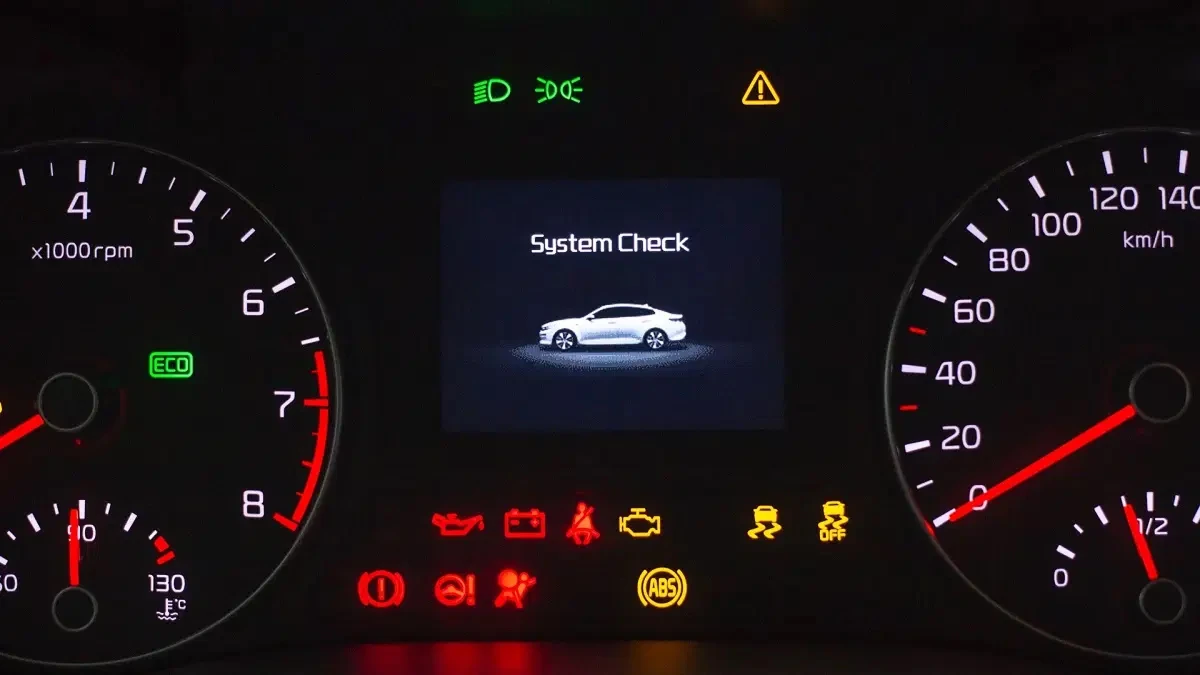
Run a diagnostic scan if the “check engine” light is on. Replace malfunctioning sensors promptly.
5. Worn Spark Plugs
What happens: Old or fouled spark plugs cause incomplete combustion — more fuel is burned to produce the same power.
Fix:
-
Replace spark plugs per your car’s maintenance schedule (often every 30,000–50,000 km).
6. Incorrect Engine Oil
What happens: Using the wrong grade or overdue oil increases internal friction, making the engine less efficient.
Fix:
-
Stick to the oil grade specified in the owner’s manual and change it at recommended intervals.
7. Extra Weight and Poor Aerodynamics
What happens: Carrying unnecessary cargo increases the energy required to move the car. Add a roof rack or external accessories and wind resistance climbs too.
Fix:
-
Remove heavy items you don’t need.
-
Take off roof racks and accessories when not in use.
8. Excessive Idling and Short Trips
What happens: Idling wastes fuel without covering distance, and short trips don’t allow the engine to reach optimal operating temperature, reducing efficiency.
Fix:
-
Turn off the engine if stopped safely for long periods. Combine errands to reduce short, cold trips.
9. Poor Fuel Quality or Wrong Octane
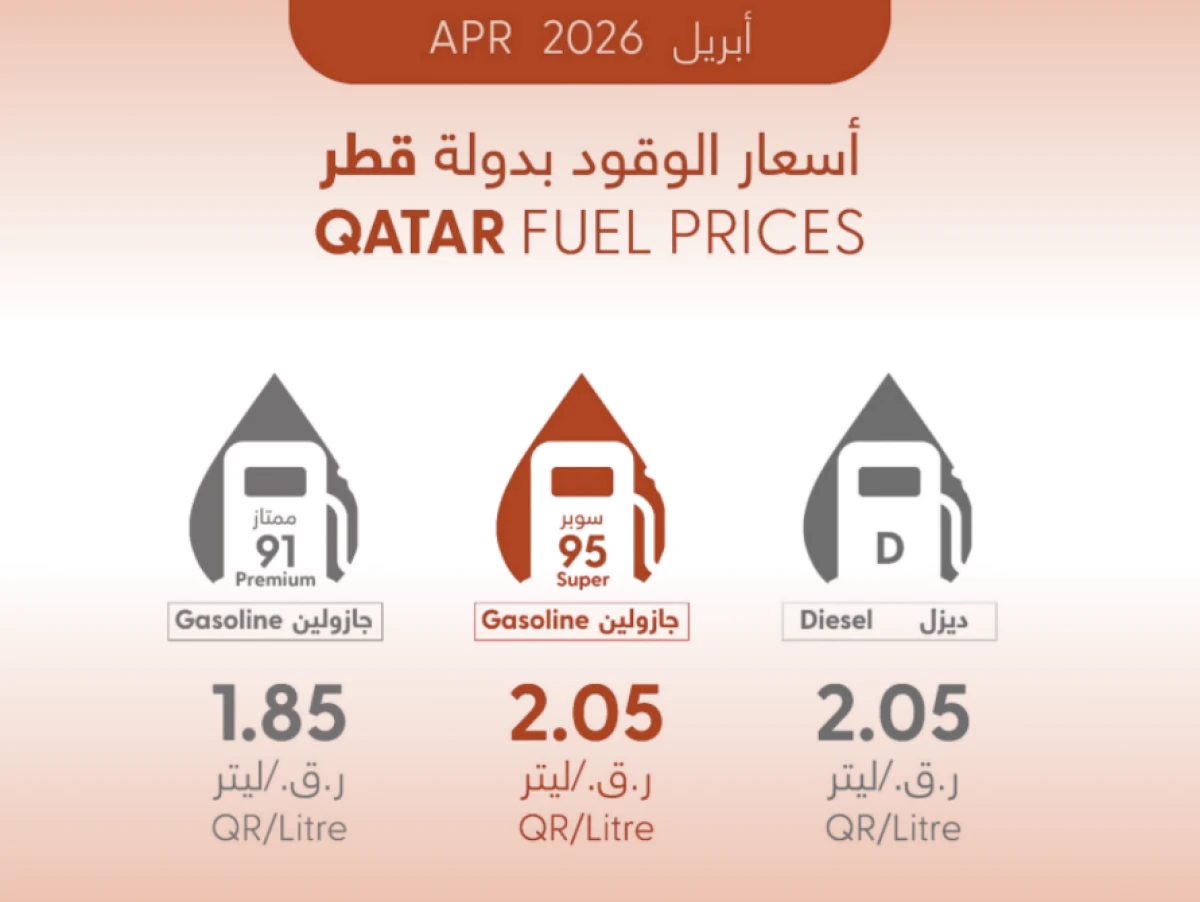
What happens: Low-quality fuel or using a lower octane grade than recommended can reduce combustion efficiency and mileage.
Fix:
-
Fill up at trusted stations and use the fuel grade specified in your manual. Consider fuel system cleaners periodically.
10. Tyre and Wheel Alignment Issues
What happens: Misaligned wheels make your vehicle fight its own direction, wasting energy and fuel.
Fix:
-
Have wheel alignment checked after hitting potholes or regularly every 10,000–15,000 km.
Quick Summary
| Cause | Approx. Impact | Easy Fix |
| Aggressive driving | High | Smooth acceleration & cruise control |
| Low tyre pressure | Medium | Regular pressure checks |
| Dirty air filter | Medium | Replace filter |
| Faulty sensors | High | Diagnostic & sensor replacement |
| Worn spark plugs | Medium | Replace as scheduled |
| Wrong oil | Medium | Correct oil & regular changes |
| Excess weight | Low-Medium | Remove unnecessary items |
| Idling/short trips | Medium | Combine errands, minimize idling |
| Fuel quality issues | Varies | Use recommended fuel |
| Alignment issues | Medium | Wheel alignment service |
Final Tip
Often, fuel consumption issues are multi-factorial — a combination of driving habits, maintenance lapses, and vehicle condition. Start with easy checks like tyres, air filters and driving style, then move to diagnostics if the problem continues.
Recent Articles
Most Viewed
-thumb_webp.webp)
-thumb_webp.webp)
Advice


Related Articles
-thumb_webp.webp)

-thumb_webp.webp)
-thumb_webp.webp)
-thumb_webp.webp)