
 Login / Register


News & Reviews
How to Extend the Life of Your Engine
13 Feb 2026
An engine rarely fails without warning. It wears down gradually — through heat, friction, contaminated fluids, and neglect. In Qatar’s climate, where high ambient temperatures and long highway drives are normal, mechanical stress is amplified. Extending engine life is not about luck. It is about controlled maintenance discipline.
Below is a structured, practical approach that applies to daily drivers, performance cars, and heavy SUVs alike.
1. Control Oil Quality and Change Intervals
Engine oil is not just a lubricant. It is a cooling medium, cleaning agent, and protective barrier between moving metal components.
Step-by-step:
- Use the exact oil grade specified in your owner’s manual (e.g., 0W-20, 5W-30).
- In Qatar’s heat, consider shortening the change interval to 5,000–7,000 km for conventional use.
- Replace the oil filter every time — never reuse it.
- Check oil level once a month or before long highway trips.
- Monitor for oil consumption in turbocharged engines.
Why it matters: degraded oil loses viscosity and heat resistance, accelerating bearing wear and timing chain stretch.
2. Protect the Cooling System
Heat is the primary engine killer in GCC climates.
Step-by-step:
- Inspect coolant level monthly.
- Replace coolant according to manufacturer interval (usually every 2–5 years).
- Never mix incompatible coolant types.
- Check radiator hoses for swelling or cracks.
- Ensure radiator fans activate correctly in traffic.
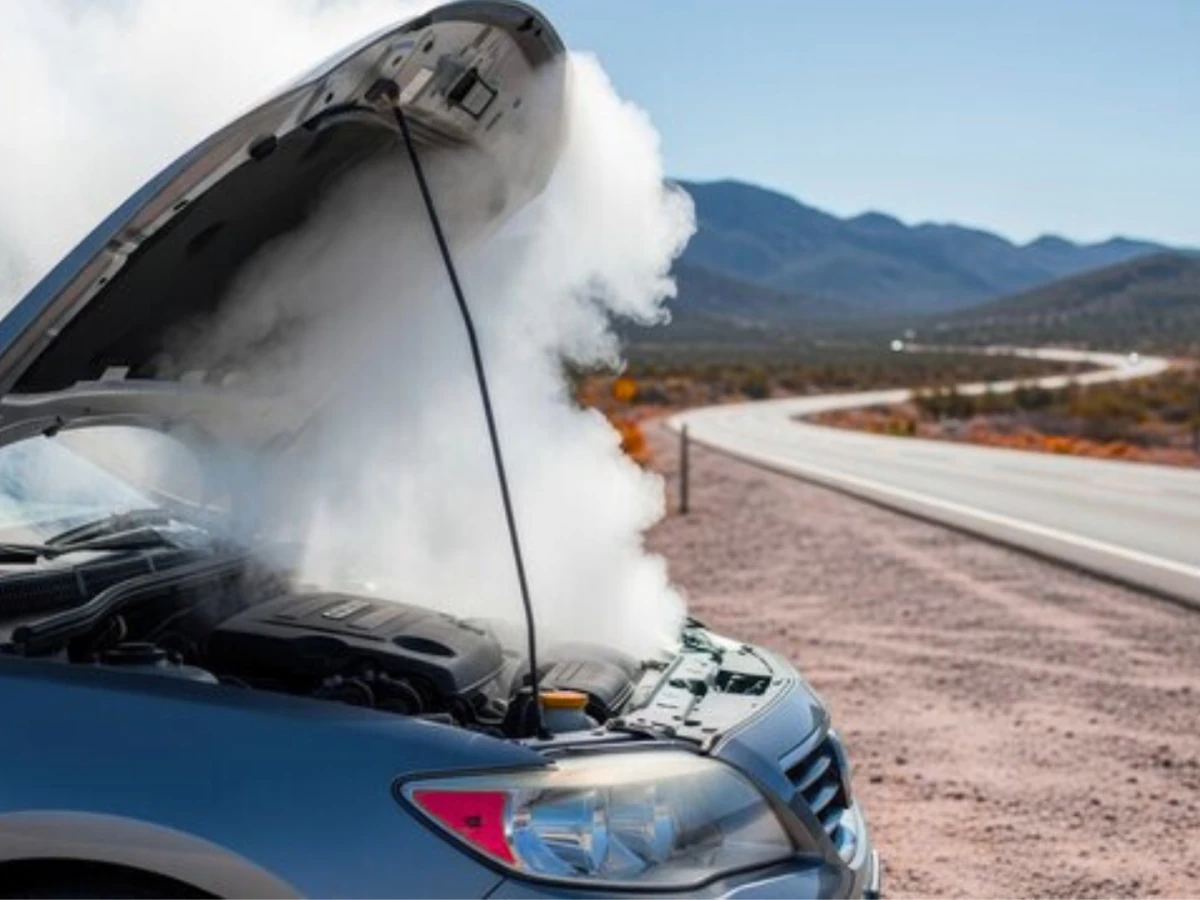
Overheating once can warp cylinder heads, damage head gaskets, and permanently weaken internal tolerances.
3. Warm Up Intelligently — Do Not Idle Excessively
Modern engines do not require long idling periods.
Step-by-step:
- Start the engine and wait 20–40 seconds.
- Drive gently for the first 5–10 minutes.
- Avoid high RPM and heavy throttle until operating temperature is reached.
- Avoid extended idling in parking areas — especially in summer.
Cold oil flows poorly. Aggressive driving before proper lubrication accelerates piston ring and camshaft wear.
4. Use High-Quality Fuel Consistently
Fuel quality affects combustion cleanliness and long-term carbon buildup.
Step-by-step:
- Use the octane rating recommended by the manufacturer.
- For turbocharged or high-compression engines, do not downgrade fuel grade.
- Avoid running the tank consistently below 1/4 capacity.
- Consider periodic fuel system cleaning for direct-injection engines.
Low-quality combustion increases carbon deposits, injector clogging, and knock events.
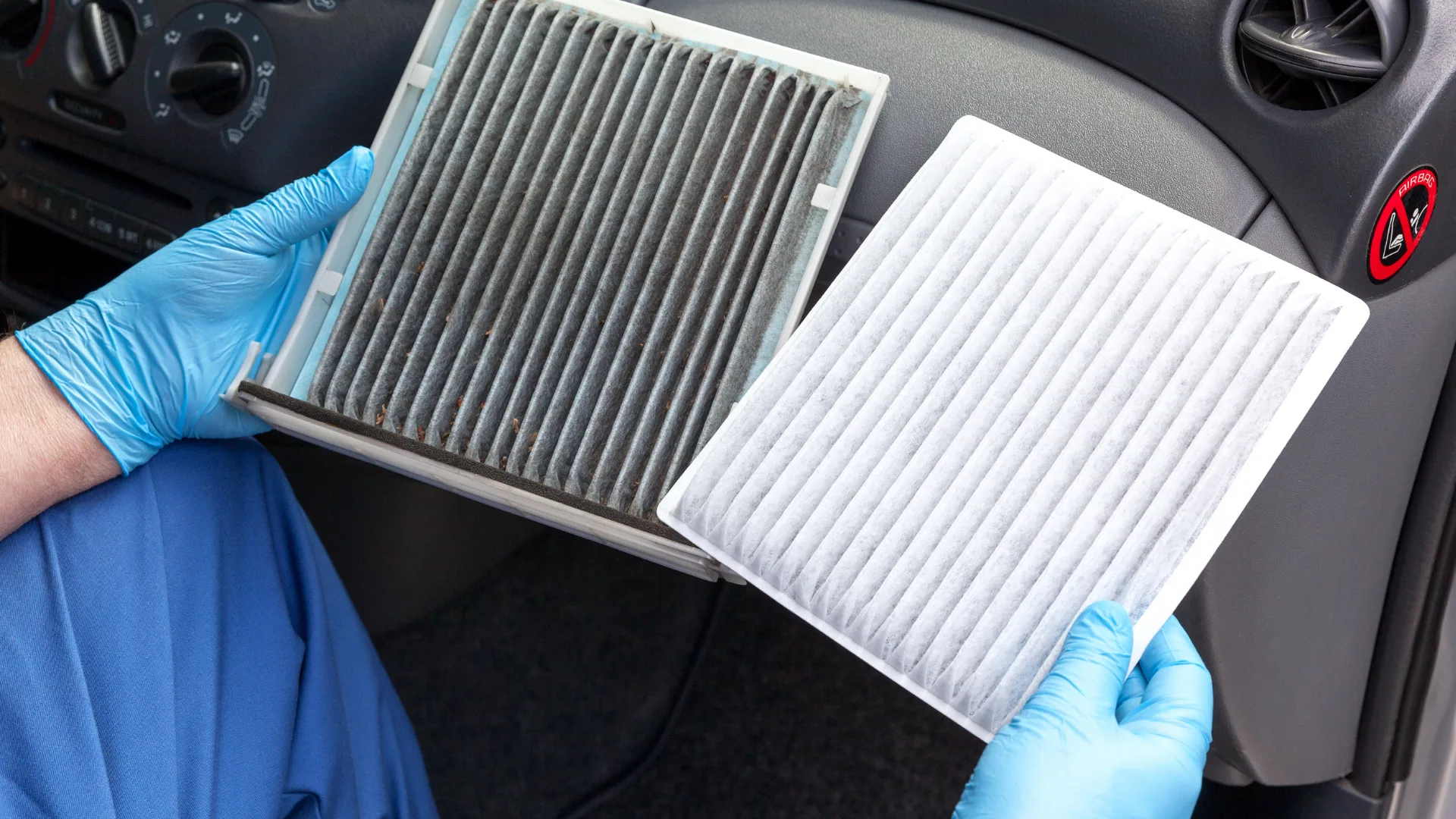
5. Replace Air and Fuel Filters on Time
An engine breathes and consumes fuel continuously. Contaminants accelerate wear.
Step-by-step:
- Replace the engine air filter every 10,000–15,000 km (more often in dusty conditions).
- Replace the fuel filter according to schedule.
- Inspect intake piping for leaks or loose clamps.
Dust intrusion in desert environments significantly increases internal abrasion.
6. Avoid Short Trips as a Habit
Frequent short drives prevent the engine from reaching optimal temperature.
Consequences:
- Moisture buildup in oil
- Sludge formation
- Accelerated internal corrosion
Combine errands into one trip when possible to allow full warm-up cycles.
7. Monitor Warning Signs Immediately
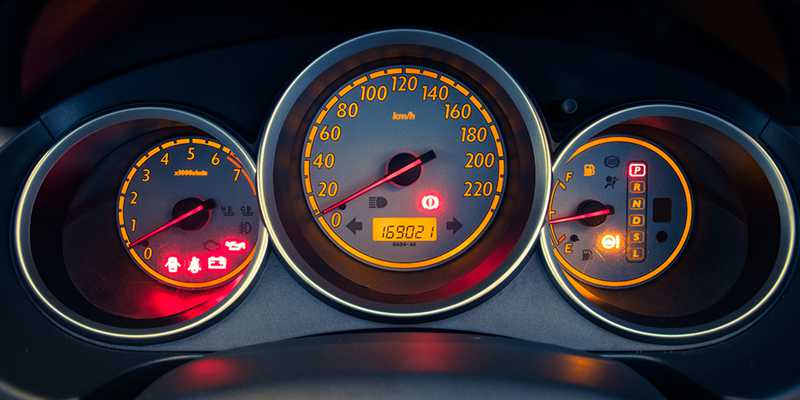
Never ignore:
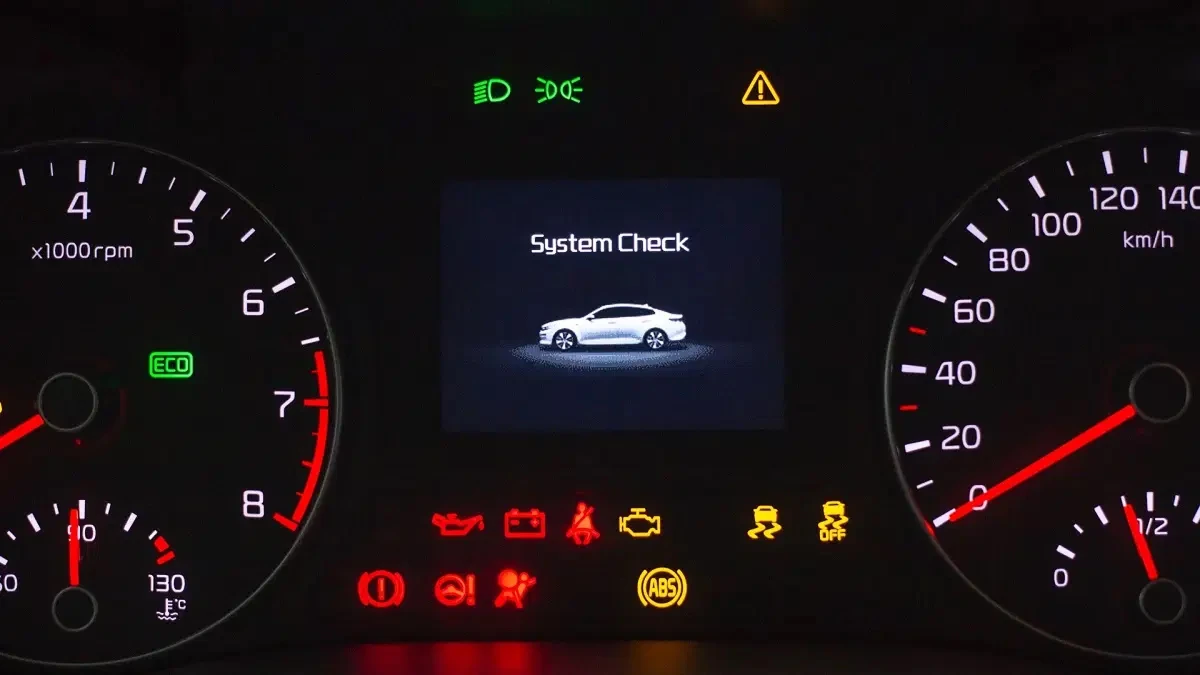
- Check engine light
- Rough idle
- Unusual knocking sounds
- Coolant smell
- Oil leaks under the vehicle
Early diagnosis is cheaper than engine rebuilds.
8. Follow Major Service Intervals Strictly
Timing belts, spark plugs, and transmission services directly influence engine load and health.
Missed timing belt replacements can cause catastrophic internal damage in interference engines.
The Core Principle
Engine longevity is cumulative discipline. Consistency matters more than intensity. Regular, controlled maintenance extends lifespan far beyond factory expectations — especially in Qatar’s demanding climate.
Recent Articles
Most Viewed
-thumb_webp.webp)
-thumb_webp.webp)
Advice


Related Articles
-thumb_webp.webp)

-thumb_webp.webp)