Login / Register


News & Reviews
How to Tell If Your Car Battery Is Dying
07 Feb 2026
A failing car battery rarely gives up without warning. Most drivers just miss the signs — until the car refuses to start at the worst possible moment. In Qatar’s heat, batteries age faster than many owners expect, making early detection especially important.
Here’s how to spot the warning signs before you’re stranded.
Slow or Struggling Engine Start
One of the earliest indicators is a slow crank when starting the car. If the engine hesitates, sounds weak, or takes longer than usual to turn over, the battery may be losing its ability to hold a proper charge — even if the car still starts.
Electrical Systems Acting Unusual
Modern cars rely heavily on electronics. A dying battery can cause:
-
Dim or flickering headlights
-
Infotainment systems resetting
-
Power windows or mirrors moving slower than normal
These symptoms often appear before total failure.
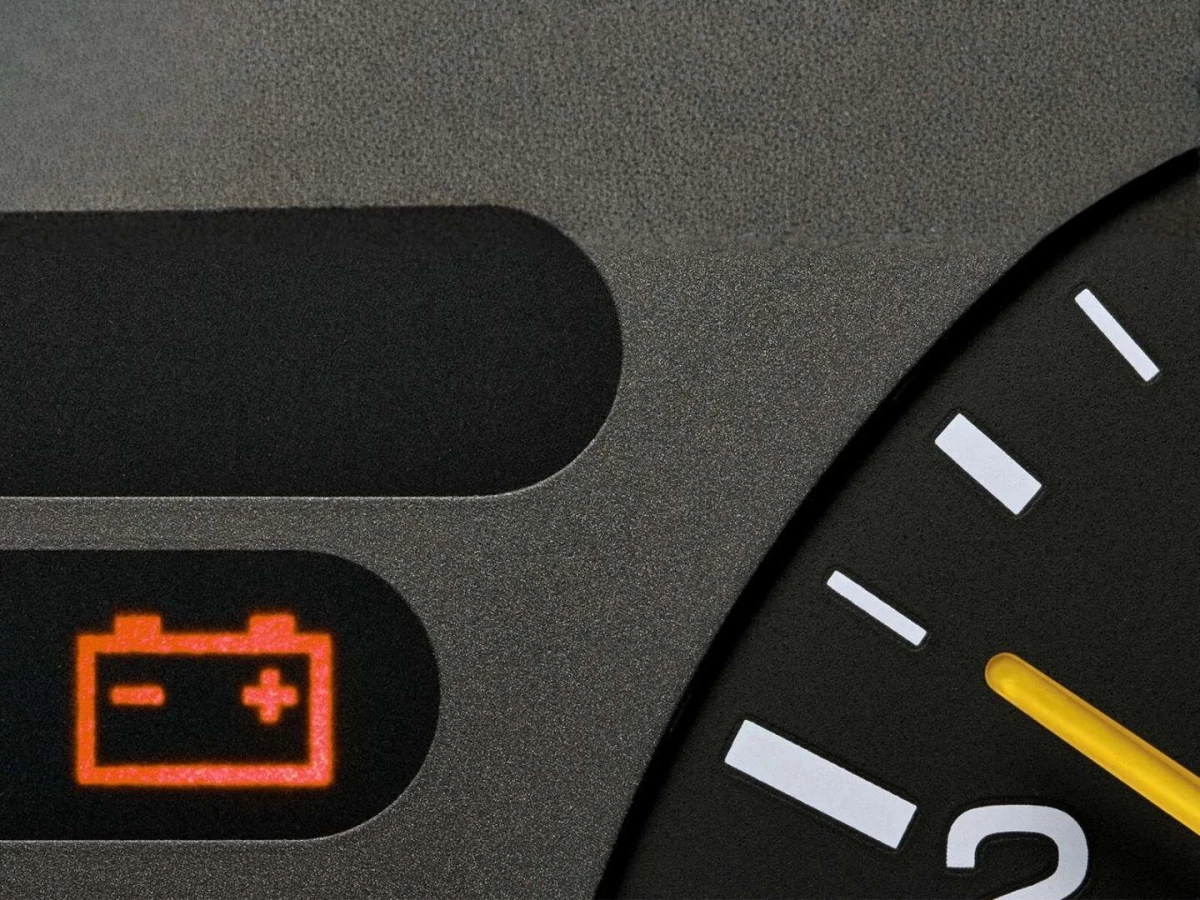
Warning Light on the Dashboard
Most vehicles display a battery or charging system warning light. While it doesn’t always mean the battery itself is bad, it’s a clear sign something in the electrical system needs attention — and the battery is a common culprit.
Swollen or Leaking Battery Case
Extreme heat can cause a battery to swell. A visibly bloated battery, leaking fluid, or corrosion around the terminals indicates internal damage and imminent failure. At this stage, replacement is strongly recommended.
Frequent Jump Starts
If you’ve needed more than one jump start recently, that’s not bad luck — it’s a failing battery. A healthy battery should reliably start your car without external help.
Battery Age
In Qatar’s climate, most car batteries last 2–3 years, sometimes less. If your battery is approaching this age, even without obvious symptoms, it’s wise to test it regularly.
Final Thought
A dying battery doesn’t always fail dramatically — it fades. Paying attention to early signs can save time, money, and frustration. If in doubt, a quick battery test can confirm its condition long before it leaves you stranded.
Recent Articles
Most Viewed
-thumb_webp.webp)
-thumb_webp.webp)
Advice


Related Articles
-thumb_webp.webp)

-thumb_webp.webp)